Huntsville does not empty out between terms the way a pure college town does, which means a press here runs most of the year rather than in bursts. Steady production rewards steady maintenance and a supplier who ships when asked. Order before the daily cutoff and it leaves our Texas warehouse that afternoon, every item built for Epson i3200 and i1600 heads.
Responsive SupportPhone & email, replies in 1 hr usually
The Steady Reorders
What a Press Running All YearGets Through.
These four account for most of what a working press consumes, and all of them sit in Stafford ready to move north to Huntsville, New Waverly, Riverside, Willis and Trinity. Film widths, powder grades, sheet packs, printhead fluids and packaging are all listed in the catalog below.
Best Value
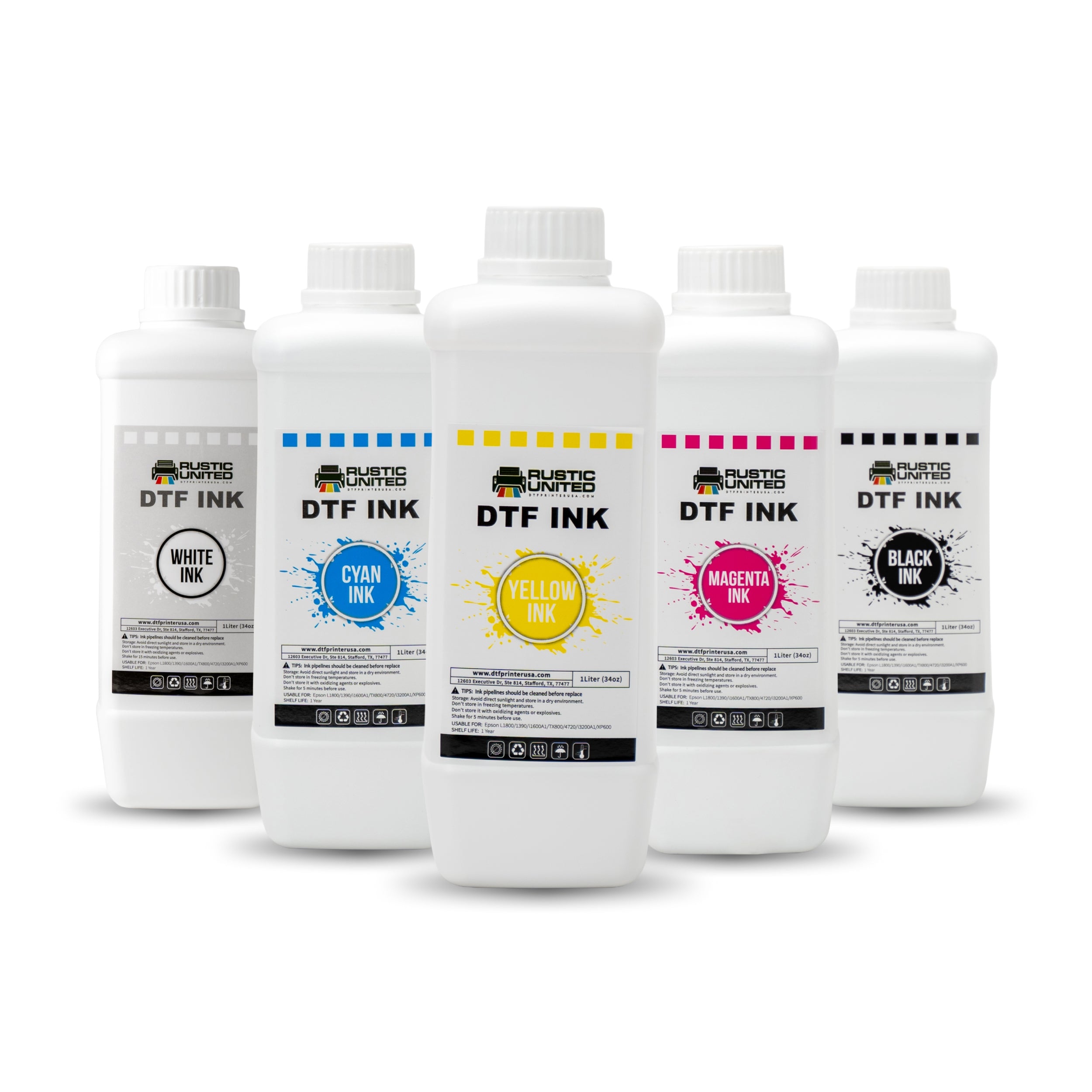
1 LT Batch DTF Ink
$123.55
Best for: full color setup and refills
A liter each of White, Cyan, Magenta, Yellow and Black in one carton. Buying the set means one invoice and one delivery rather than five separate ones, which is the simplest saving available to a Huntsville shop.
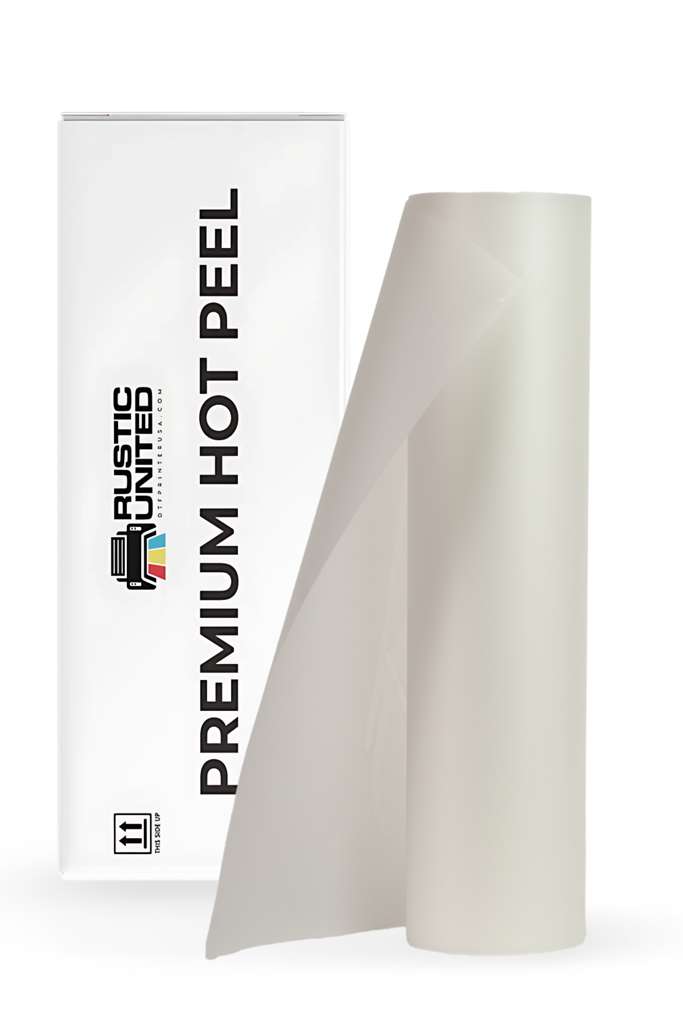
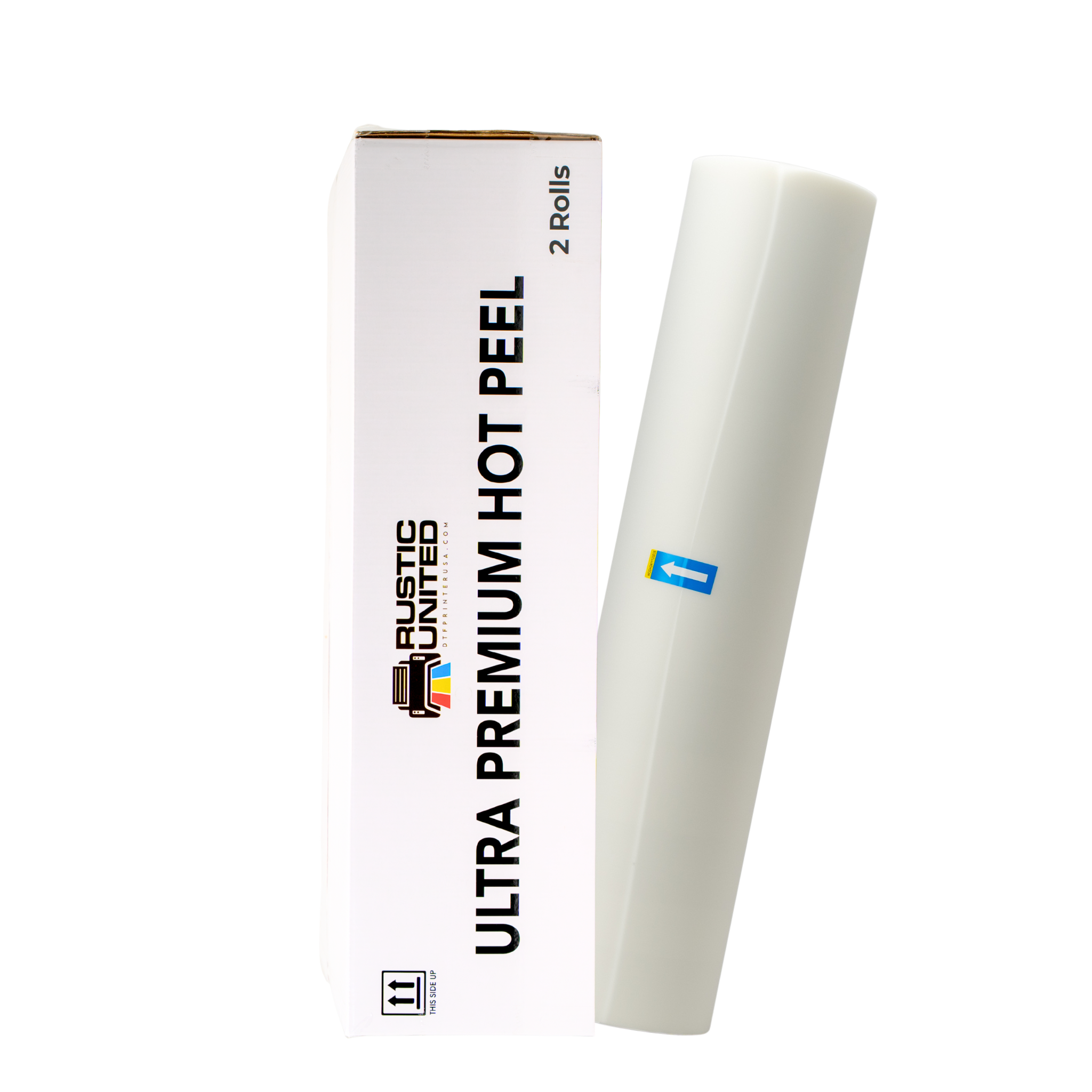
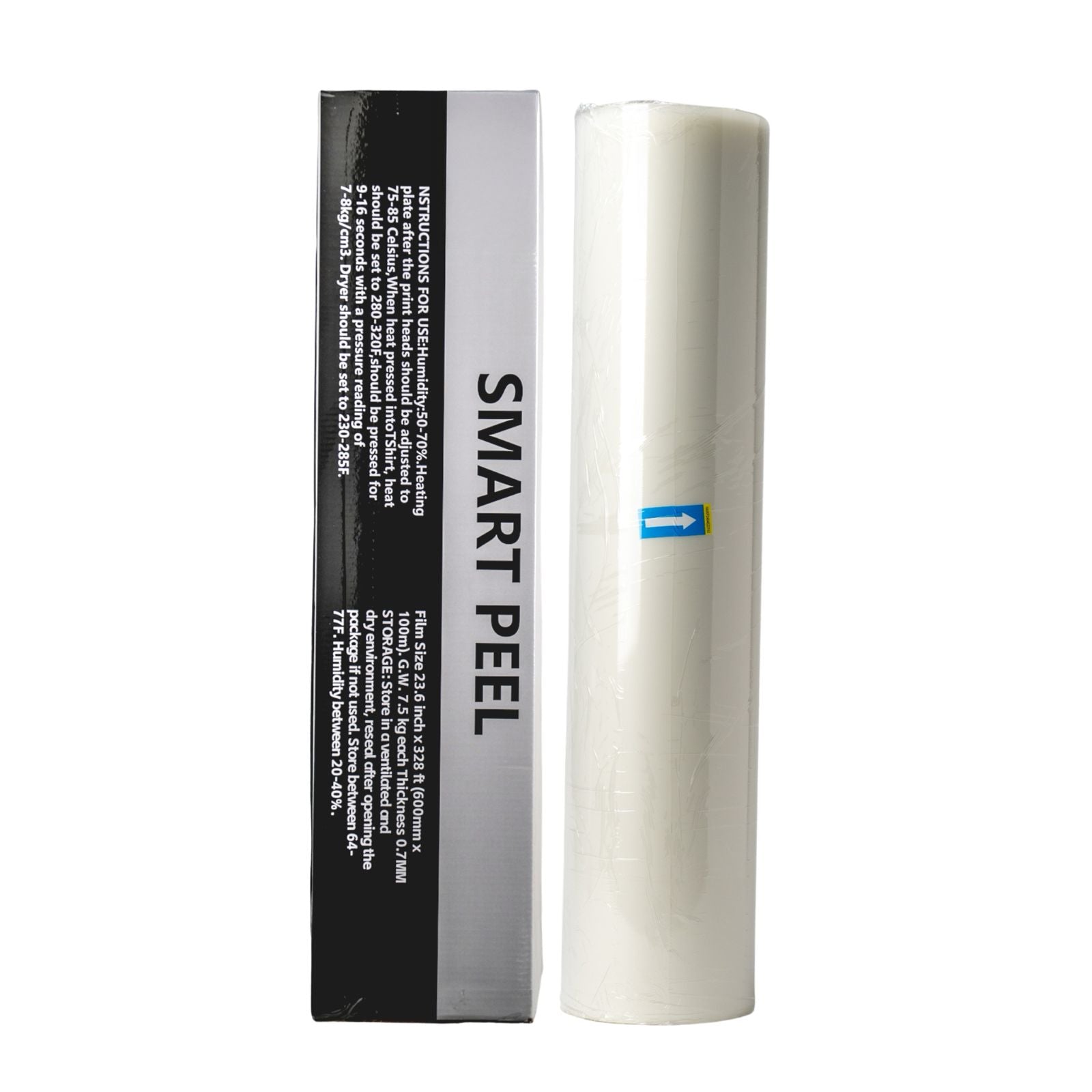
A 24 inch roll holding 328 feet, tolerant about peel timing and consistent throughout. The roll that keeps a steady year-round workload moving without needing a decision on every job.
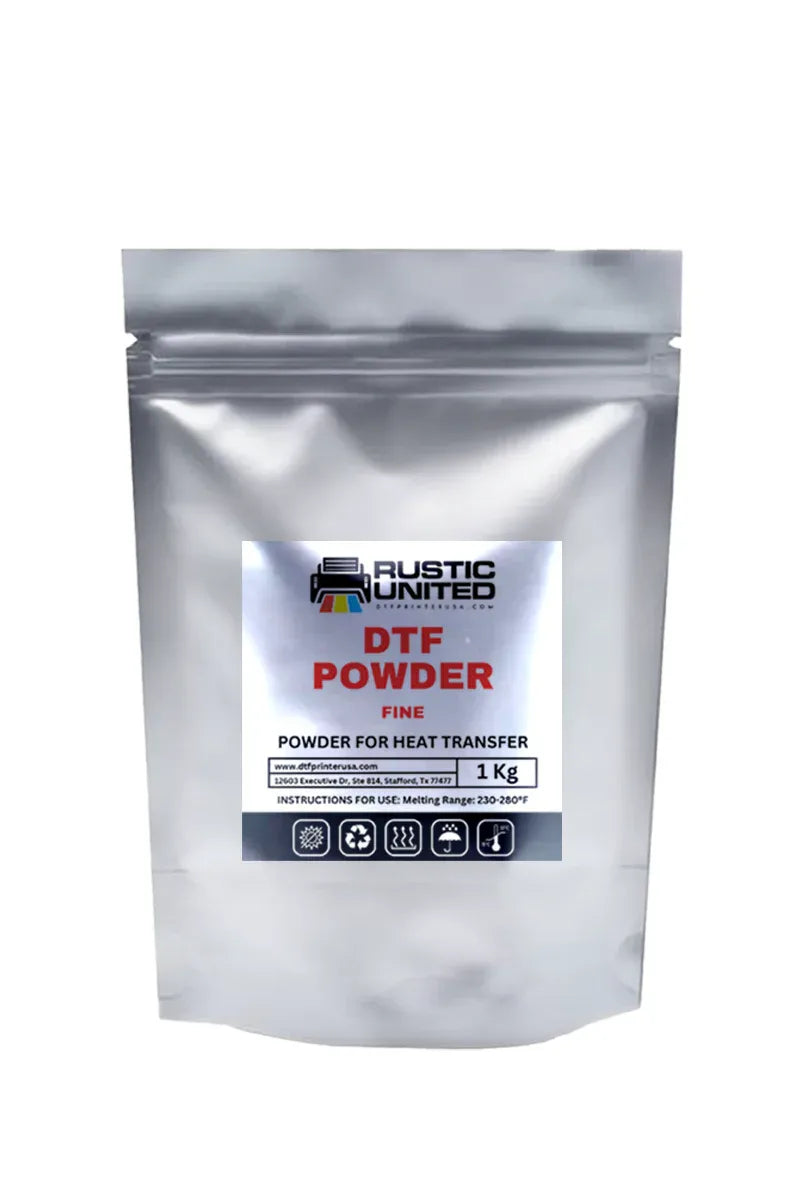
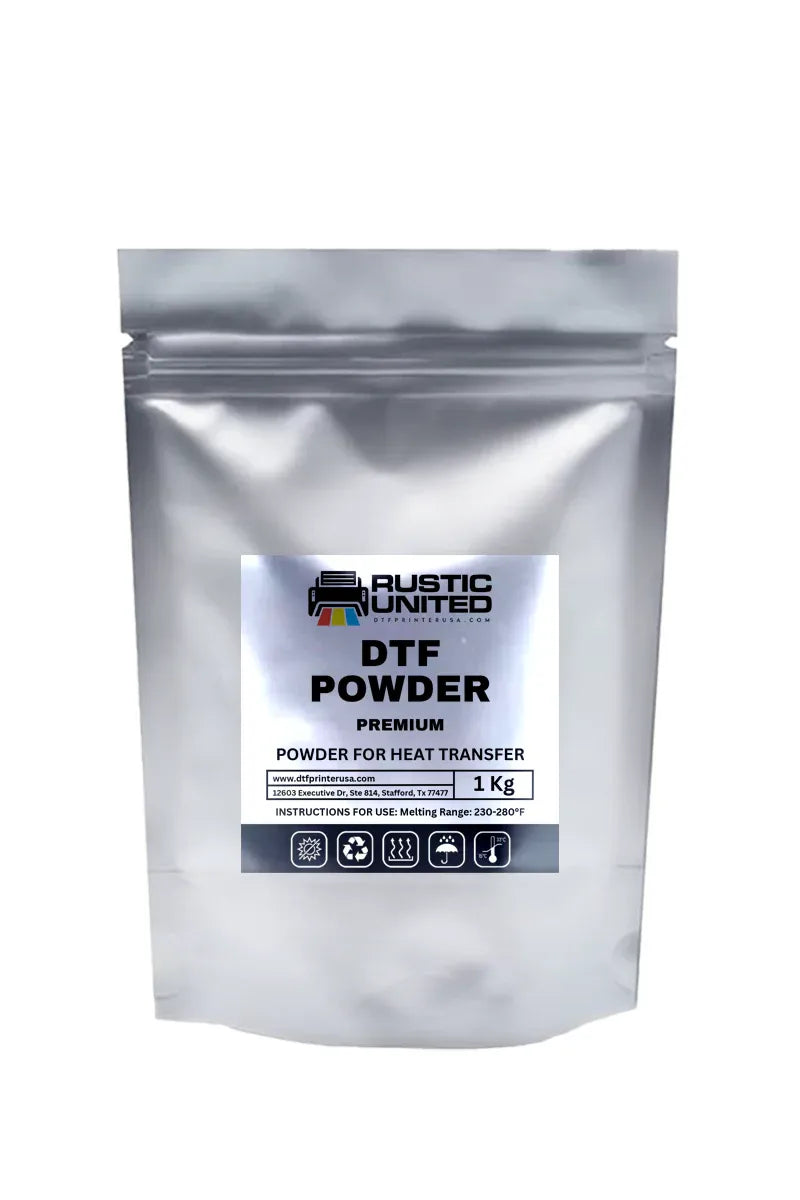
Two grades by the kilogram, which is all any bench genuinely needs. Fine handles detailed artwork on lightweight cotton; premium gives the harder bond that heavier garments and repeat-wash work require.
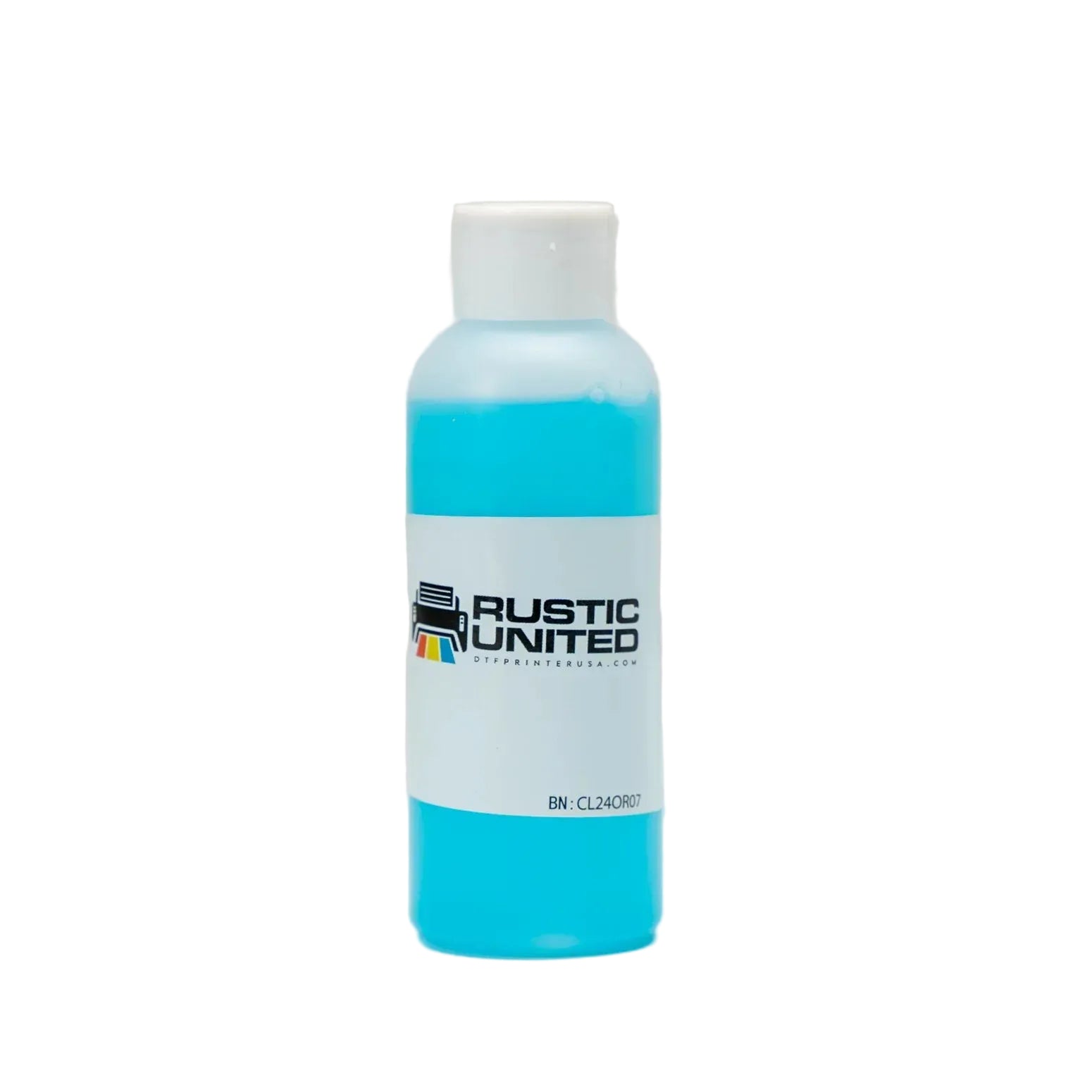
Printhead cleaner in a 100 ml bottle. The printhead is the most maintenance-sensitive part of any DTF setup, and this is the cheapest thing standing between it and an expensive repair.
Order the bottle that has run down, or the complete set in one delivery. All five share a single OEKO-TEX certified formula, built to resist nozzle clogging on Epson i3200 and i1600 heads.
DTF white ink is the heaviest pigment in the system, which is why it empties first and why it is behind almost every printhead failure people blame on the machine. Settled pigment thickens in the lines, dries in the nozzles, and by the time a print looks wrong the damage is already done. Fresh clog-resistant ink, thorough agitation before every run and a clean capping station are what keep a Huntsville press healthy year after year.
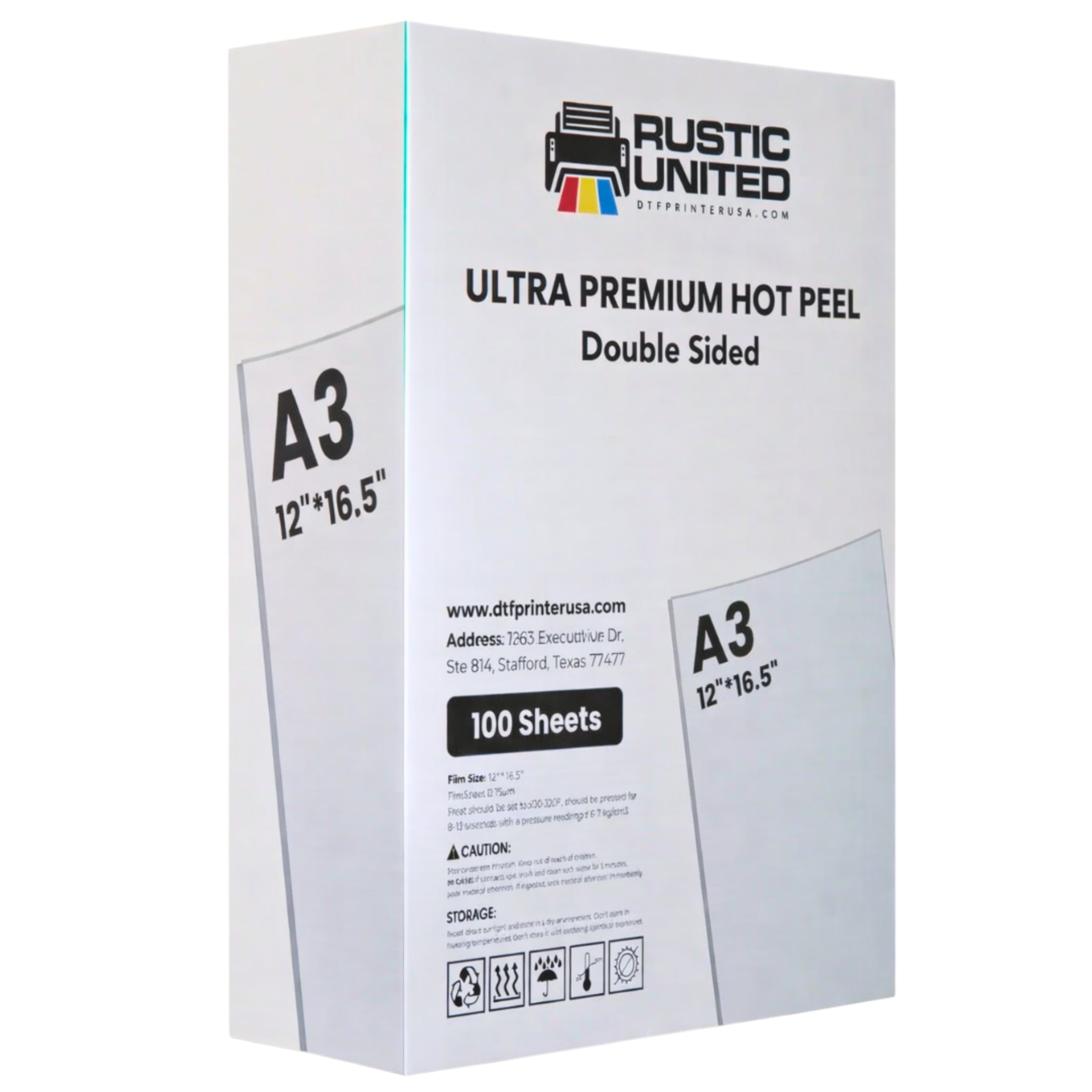
Open any category below to see the full list with current pricing. Films across every width we carry, fine and premium powder, A3 sheet packs, printhead fluids and packaging, all held in Stafford and cleared to leave for Huntsville the same working day.
Open a category to see stock
DTF Transfer Film
Instant Peel
Premium Hot Peel Film
$74.55
A 24 inch by 328 ft roll that lifts warm or cold without complaint. The everyday roll, and the one most Huntsville shops keep loaded by default.
DTF powder is the adhesive that fuses your print into the garment, and shops often overthink the choice. There are two grades and the fabric decides between them: fine grain for detailed artwork on lightweight cotton where the hand-feel matters, premium for heavier garments and anything facing repeated washing. Both are sold by the kilogram and leave Stafford the day a Huntsville order arrives.
Best Seller
Premium
$16.55
The harder bond heavier garments and repeat-wash work need.
Fine
$16.55
A small grain for close artwork and a softer finish on cotton.
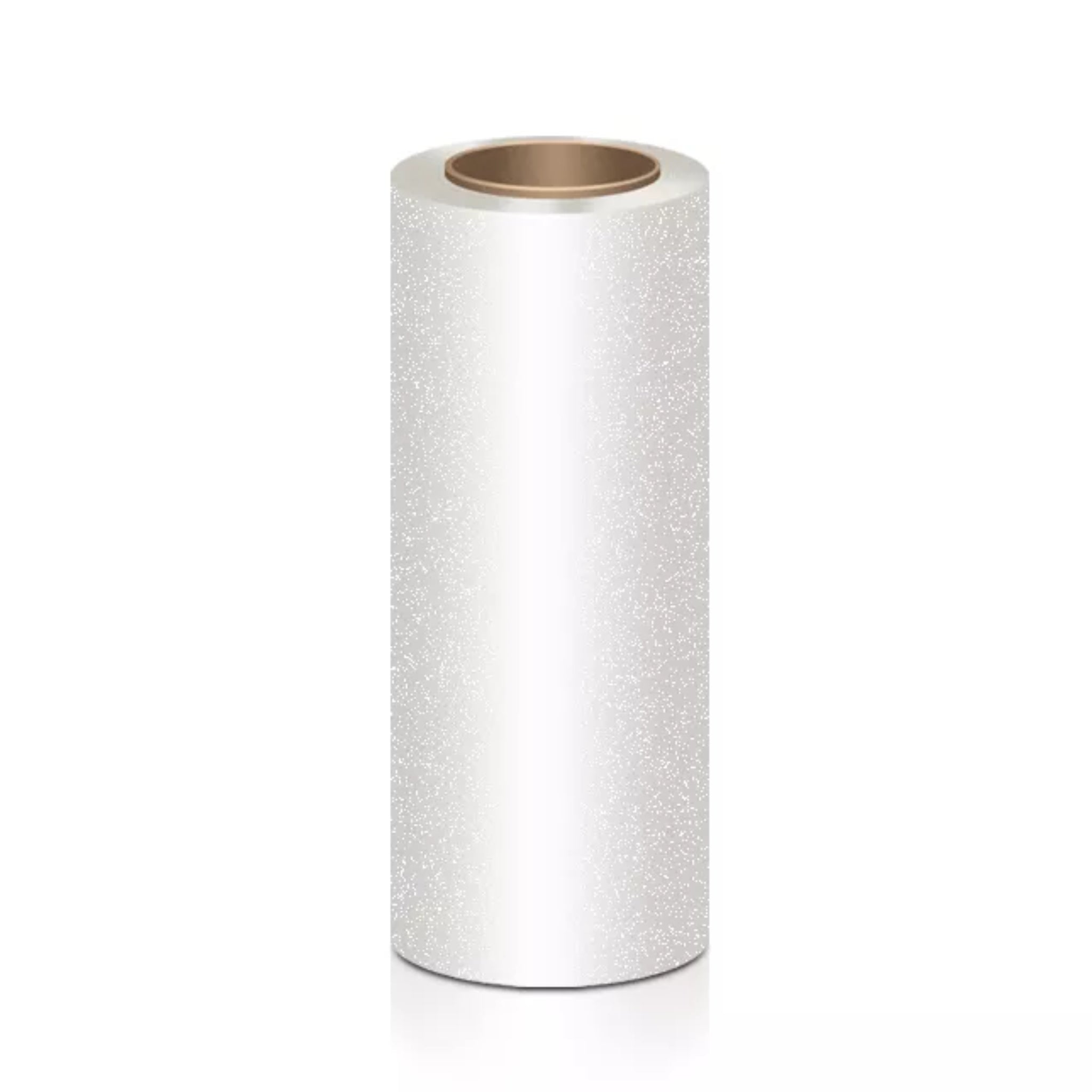
DTF transfer film, listed by some suppliers as DTF paper, holds your design until heat drives it into the garment. The real distinction is peel timing: hot peel lets you lift while the sheet is warm and keep moving, cold peel makes you wait but protects fine detail and finishes softer. Here is how the three rolls we carry compare.
Best for high volume
Premium Double Hot Peel
Sometimes sold as instant peel. Forgiving on timing, which is why it suits a bench with steady mixed work.
Print speed is unparalleled and lets me get through projects in record time. The hot peel option streamlines the whole process, print quality is outstanding, and reliability has been remarkable throughout.
Omer Dogan
The cold peel option has simplified my process and made it much more efficient. Quality stays stellar even on intricate designs, and the consistency is what matters most to my business.
Omer D.
As a textile artist, print quality matters more to me than anything. Working with the hot peel option has changed my workflow, and the results have been consistent enough that my creative process runs smoothly.
Mehmet Bazoglu
Why Huntsville Shops Order Here
Fresh Ink. Steady Stock.One Invoice.
Huntsville print shops, university and agency suppliers, and Walker County decorators run consistently rather than in spikes. That makes a supplier judged on the boring things: whether the ink is fresh, whether the stock is really there, and whether a restock takes one order rather than three.
Same-Day Shipping
Beat the daily cutoff and the order is picked and gone the same afternoon, heading north with tracking in your inbox. Nothing waits for a fuller truck, so a routine restock stays routine rather than becoming a problem.
OEKO-TEX Certified Ink
Every color carries OEKO-TEX certification, verifying the ink is safe in skin contact after pressing. Just as important for a press running all year, it is clog-resistant and shipped fresh rather than pulled from stock that has been sitting, which is what keeps a printhead alive.
Production-Ready Stock
Everything listed is inventory we hold ourselves rather than source when an order lands. Ink, film, powder and sheets all come off the same shelf, which is what lets a Huntsville restock be one invoice and one delivery instead of three.
Fast Local Delivery
The run from Stafford north to Huntsville is direct and the timing holds week to week, which is what makes a standing reorder schedule workable. Want supplies timed to your production rather than your panic? Call and we will set the cadence.
What a Printhead Is Worth
Cheap Ink Is Expensive Downtime.
The printhead is the most expensive and most fragile part of a DTF setup, and the fastest way to damage one is bargain white ink that settles hard and dries in the nozzles. Set the saving on a bottle against the cost of a replacement head plus the days the press is down, and the arithmetic stops being close. Fresh clog-resistant ink is maintenance, not a luxury.
Same Day
Shipping
Ordered before the cutoff and shipped the same afternoon, so a maintenance routine never stalls for want of cleaner.
Local
Stafford Warehouse
One Stafford, TX warehouse and steady turnover, which is why the ink you receive is fresh rather than shelf-worn.
1 Call
To a Texas Team
Nozzles dropping out, or white laying down thin? A US-based team who work with this stock daily will help you diagnose it.
Chasing the Cheapest Ink
Bargain white ink that settles hard in the lines
A clogged printhead and days of unplanned downtime
Ink that has sat past its shelf life before you opened it run
Three separate suppliers and three separate invoices
A repair bill that dwarfs every bottle you saved on
VS
DTF Printer USA, Fresh Stock and One Order
Same-day dispatch that keeps maintenance on schedule
Steady turnover, so the ink you get is fresh
Clog-resistant ink that protects the printhead
A US-based team who can help you troubleshoot a head
One invoice for ink, film, powder and sheets
Printing in Huntsville
A Small City With Three EmployersThat Never Pause.
Huntsville is where Sam Houston retired, died and is buried, and the town has kept that history visible: the memorial museum, the statue on the interstate, the old square. What matters commercially is something less obvious. For a place its size, Huntsville carries an unusually heavy institutional load. Sam Houston State University sits in the middle of it, the state prison system is headquartered here and is the largest employer in the county, and Huntsville State Park brings steady outdoor traffic through the year. Three institutions, none of which follows the same calendar as the others. The practical result for a print shop is that the town does not empty out between terms the way a pure college town does. Work comes in at a steadier rate and rarely stops entirely, which favors a bench that runs consistently and maintains its equipment properly. Orders leave our Stafford warehouse the same day and run north into Walker County.
University & Student Work
Sam Houston State University generates the familiar campus stream: club and organization shirts, department apparel, alumni pieces, intramural teams. Short runs on dark garments, often personalized, and usually against a date. This is the part of the order book that behaves like a college town, and it is only one of three.
Institutional & Agency Buyers
The second stream is institutional: departments, agencies, staff associations and the organizations around them. These buyers work through purchase orders, formal quotes and net payment terms rather than a card at checkout, which is a paperwork skill more than a printing one, and shops that build it face very little competition.
Park, Trails & Small Towns
Huntsville State Park and the surrounding piney woods bring visitor and event traffic, while New Waverly, Riverside, Willis and Trinity route their work here for want of anywhere closer. Same-day dispatch from Stafford is what keeps that spread serviceable.
Serving Huntsville & Walker County
DTF Printer USA keeps Huntsville and the wider Walker County area supplied with ink, film, powder, cut sheets, printhead care and packaging. From the university and the downtown square out through New Waverly, Riverside, Willis, Trinity and Conroe, a Huntsville print shop, apparel brand or decorator is buying from a Texas shelf rather than waiting on an import.
Local Delivery Area
Same-day dispatch and a direct northward run into Huntsville and the towns around it. That same Stafford stock also goes out to any US address.
Huntsville 77320Huntsville 77340Sam Houston State UniversityDowntown SquareHuntsville State ParkNew WaverlyRiversideWillisTrinity
DTF Supply Guide for Huntsville
Running a DTF Line in Walker County.
Three things that decide whether a shop here lasts: a maintenance routine that protects the printhead, the paperwork institutional buyers expect, and the press accessories that genuinely earn their place.
A White Ink Routine That Saves Printheads
The printhead is the single most expensive component in a DTF setup and the one most easily ruined, and white ink is almost always the cause. Its pigment is heavier than any color, so it settles in the bottle, in the lines and eventually in the nozzles themselves, and by the time a print looks wrong the damage has usually already happened. A maintenance routine sounds tedious written down and takes only a few minutes a day in practice. Daily, agitate white thoroughly before the first run rather than giving it a token shake, run the nozzle check the machine offers and read it properly, and shut the printer down through its own routine so the head parks and caps correctly rather than by cutting the power. Weekly, clean the capping station and the wiper blade, because a capping station with dried ink on the seal cannot hold moisture around the head overnight and that is where most overnight clogs are born. Monthly, look at what your stock is doing: rotate bottles so the oldest opens first, check nothing is approaching the end of its twelve month shelf life, and top up moisturizing fluid before you need it. Two rules sit over all of it. Never run five cleaning cycles back to back when nozzles drop out, since that wastes ink and can push the problem deeper; run one, wait, check, repeat if needed. And never leave a machine standing for weeks without a plan, because a press that will be idle wants the head capped, the fluid topped and a check run before anything a customer is paying for goes near it.
Selling to Institutional Buyers
A university department and a state agency both buy apparel, and neither of them buys it the way a retail customer does. Shops that understand the difference win work that nobody else in town is set up to take. Expect four things. A formal written quote comes first, usually before any conversation about scheduling, and it needs to be itemized properly rather than a figure in a message. Vendor registration comes next, meaning a form, a tax identification number and sometimes an insurance certificate, all of which take days to process and are far easier to complete before somebody is waiting on you. Then the purchase order, which is the actual authorization to proceed; do not start production on a verbal go-ahead, because without the PO number there is nothing to invoice against. Finally net payment terms, commonly thirty days from invoice rather than payment on delivery, which is a cash flow reality to plan for rather than a problem to argue about. The practical advice is to build the paperwork before you need it. Keep a quote template, register as a vendor with the institutions you want to serve, and get comfortable invoicing against a PO number. It is genuinely unglamorous work, but a Huntsville shop that can accept an institutional order cleanly is competing against a very short list, and those buyers reorder on a schedule for years rather than once.
Press Accessories That Earn Their Place
Beyond ink, film and powder there is a short list of press accessories that change results out of proportion to what they cost, and a longer list that mostly gathers dust. Worth owning, in rough order of value: a teflon cover sheet or two, which spread heat, prevent scorching and stop the platen edge leaving a visible outline on knits, and which cost almost nothing; heat resistant tape, which holds a transfer in position on anything awkward and eliminates the ghosting that comes from a sheet shifting as the press closes; a pressing pillow, which lifts the print area above seams, zips and thick hems so pressure lands evenly on a bag, a hoodie or a pocket area; and a simple alignment ruler or a piece of card cut to your standard collar drop, which turns placement from a judgement into a measurement. A lint roller belongs on the list too, since a stray fibre pressed into a transfer is permanent. What matters less than people expect: a large collection of specialist platens if you are mostly pressing flat garments, and anything sold as a shortcut around proper temperature and time settings. The honest test for any accessory is whether it removes a variable. A cover sheet removes scorch risk, tape removes movement, a pillow removes uneven pressure, a ruler removes guesswork. Anything that does not remove a variable is a nice-to-have, and the money is usually better spent on a second film roll.
DTF Supplies FAQ
Huntsville DTF Supply Questions, Answered.
What Huntsville shops and Walker County decorators most often want confirmed before a supply order goes in.
DTF Supplies in Huntsville
DTF supplies in Huntsville are the consumables a direct-to-film press runs on: DTF ink in white plus cyan, magenta, yellow and black, transfer film in rolls or A3 sheets, adhesive powder in fine and premium grades, and printhead cleaning and moisturizing fluid. DTF Printer USA stocks all of it at one Stafford, Texas warehouse and ships the same day north into Walker County.
We stock two grades in 1 kg quantities: fine and premium. Fine grain suits detailed artwork and gives a softer hand on lightweight cotton, while premium delivers the stronger bond that heavier garments, bags and repeat-wash work need. Two grades cover the range properly, and both leave our Stafford warehouse the same day a Huntsville order is placed.
Stock & Ordering
Yes. Adhesive powder stays in steady supply for Huntsville and the Walker County area in both fine and premium grades, sold by the kilogram. Because it ships from one Stafford warehouse rather than a depot network, what the page shows in stock is what is actually on the shelf, and orders beating the daily cutoff go out the same afternoon.
Yes. Ink, film, powder and cut sheets all go on a single order, which keeps restocking to one invoice and one delivery rather than three. The whole shipment leaves Stafford the same day it is placed, and larger ink quantities pick up volume pricing for Huntsville businesses.
Yes. DTF Printer USA is a Texas supplier stocking DTF ink and every related consumable for Huntsville and the surrounding Walker County area, including New Waverly, Riverside, Willis and Trinity. Everything ships the same day from our warehouse in Stafford rather than from out of state, which keeps a Huntsville restock measured in days instead of weeks.
Maintenance, Extras & Buyers
White ink is the most maintenance-sensitive part of a DTF setup because its pigment settles faster than any color. Agitate the bottle thoroughly before every run rather than every few, run the daily cleaning cycle the machine asks for, keep the capping station and wiper clean so the head seals properly overnight, and use fresh clog-resistant ink rather than stock that has sat past its shelf life. Those four habits prevent most printhead problems before they start.
Alongside ink, film and powder we carry consumables and accessories that support DTF production, including packaging. If there is a specific accessory you need for your setup, tell our team what machine and press you run and we will confirm what we can supply rather than leaving you to guess from a product list.
Yes, though institutional buyers work differently from retail customers. Expect purchase orders rather than card payments, net payment terms rather than payment on delivery, a formal quote before any commitment, and vendor registration before a first order. It is worth setting up that paperwork before you are asked for it, since a Huntsville shop that can accept a PO cleanly is competing against very few others.
Choosing a selection results in a full page refresh.