Brenham shops print as much for a shelf as for a client, and that changes what a supplier has to do. Order before the cutoff and your consumables leave our Texas warehouse the same afternoon, so restocking a design that sold out is a two-day decision rather than a two-week one. Ink, film, powder and cleaner, in any quantity, all of it matched to Epson i3200 and i1600 heads.
Responsive SupportPhone & email, replies in 1 hr usually
The Consumables That Matter Most
Four Items Keep a Brenham ShelfStocked.
These four do the work behind every reprint, and every one of them is sitting in Stafford ready to move toward Brenham, Chappell Hill, Burton, Bellville and Navasota. The full picture, every film width, both powder grades, sheet packs and printhead fluids, is in the catalog below.
Best Value
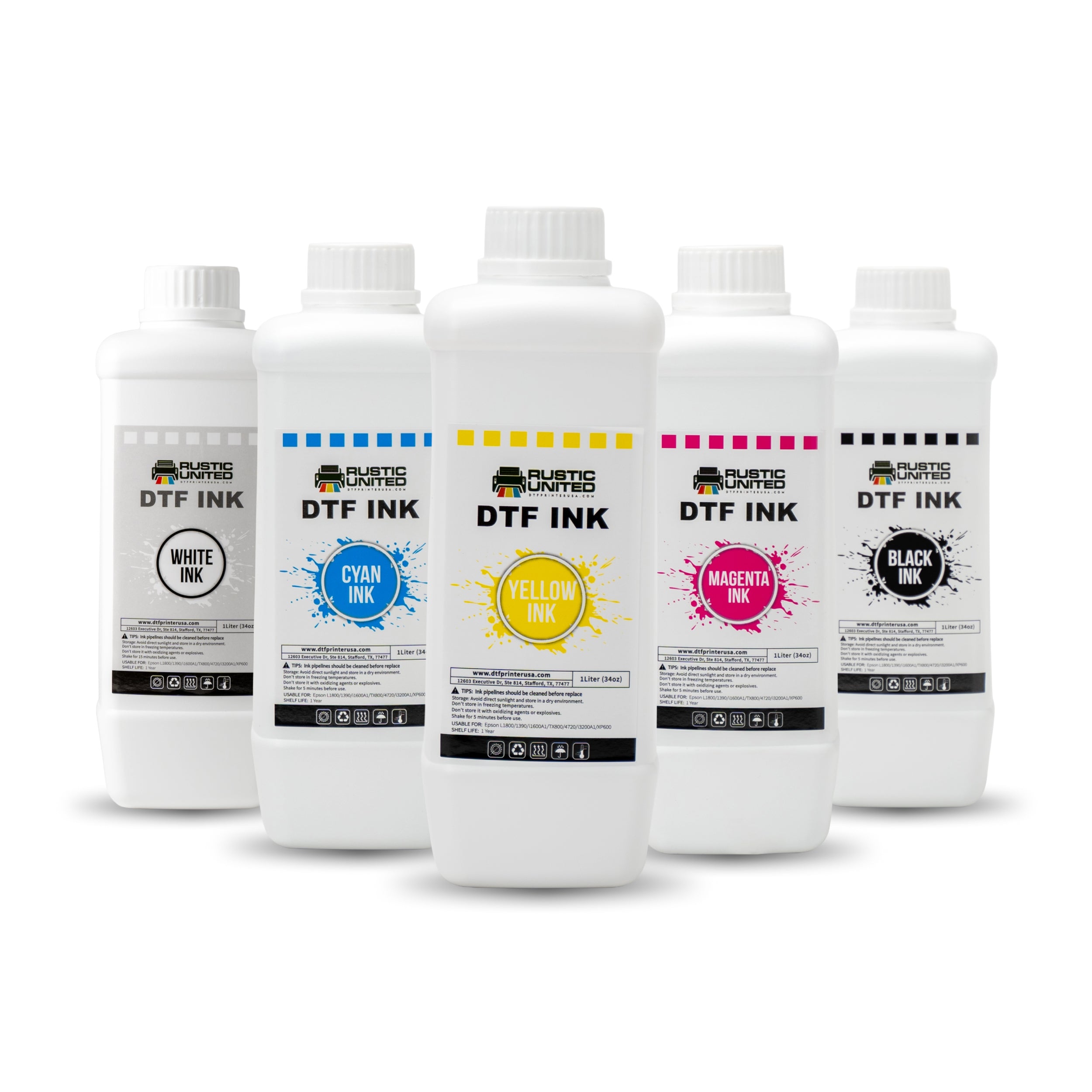
1 LT Batch DTF Ink
$123.55
Best for: full color setup and refills
All five colors from a single production batch, a liter each of White, Cyan, Magenta, Yellow and Black. Buying the set together is what keeps a Brenham reprint reading the same as the run it is replacing.
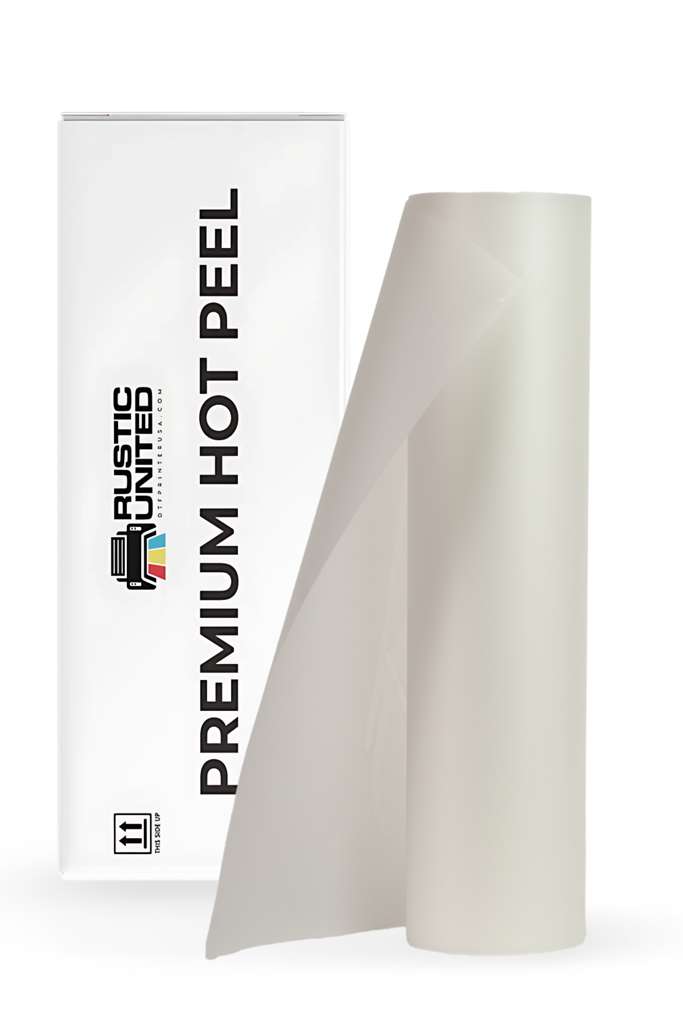
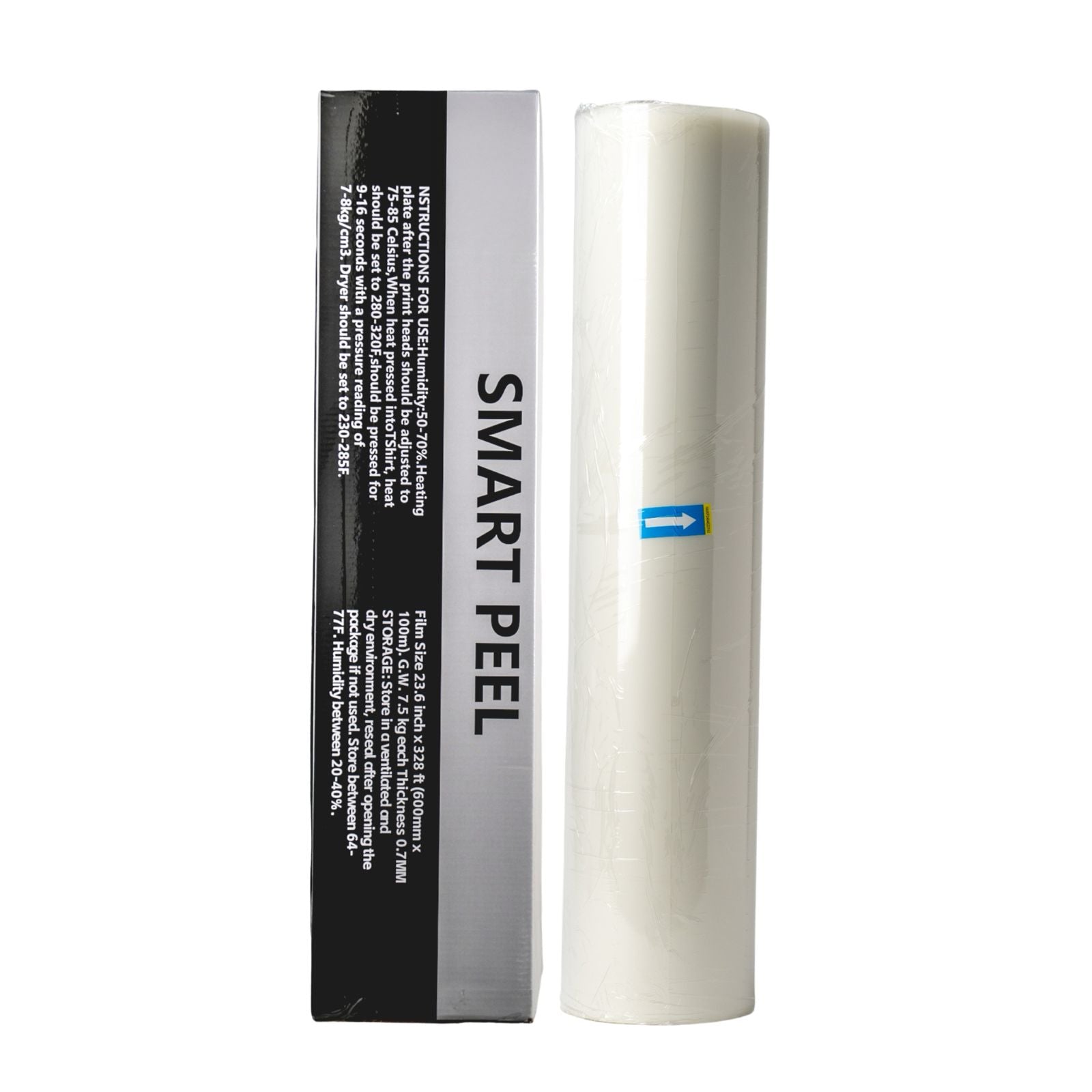
A 24 inch roll running 328 feet, enough film to work through a season of downtown retail stock without a reload interrupting the schedule. Even release from the first foot to the last.
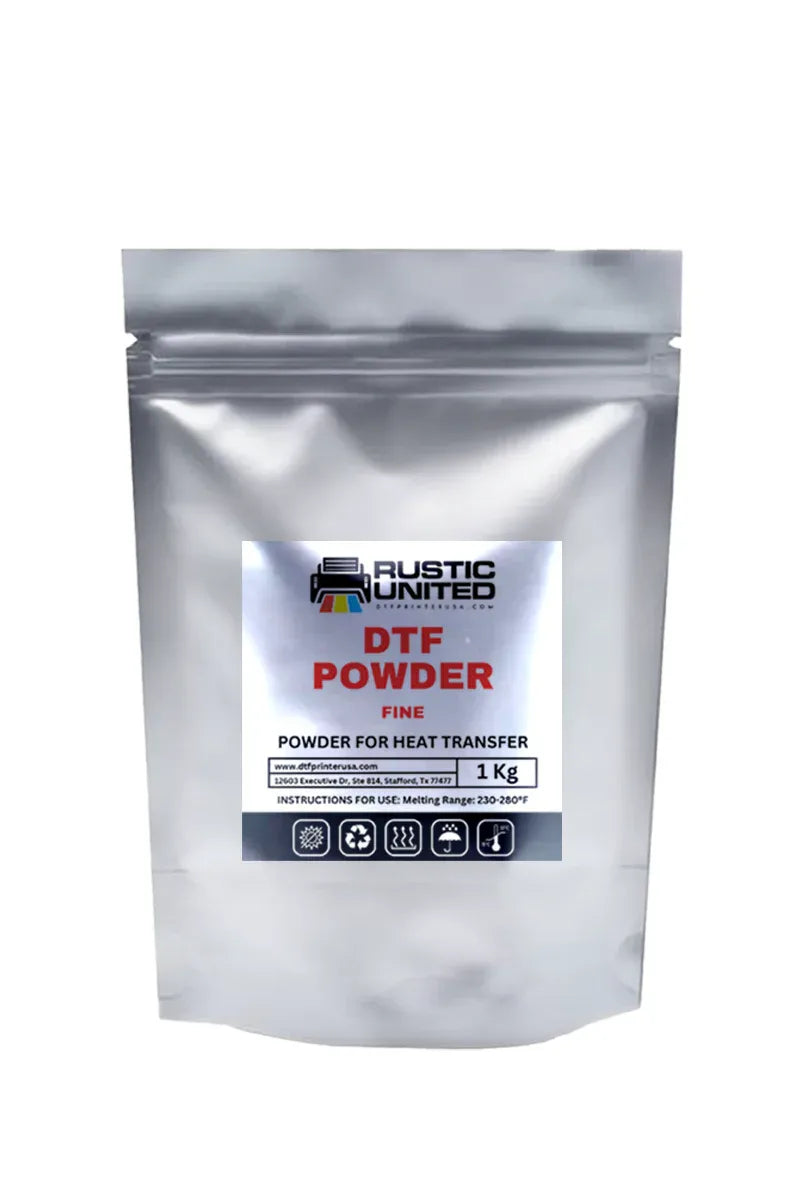
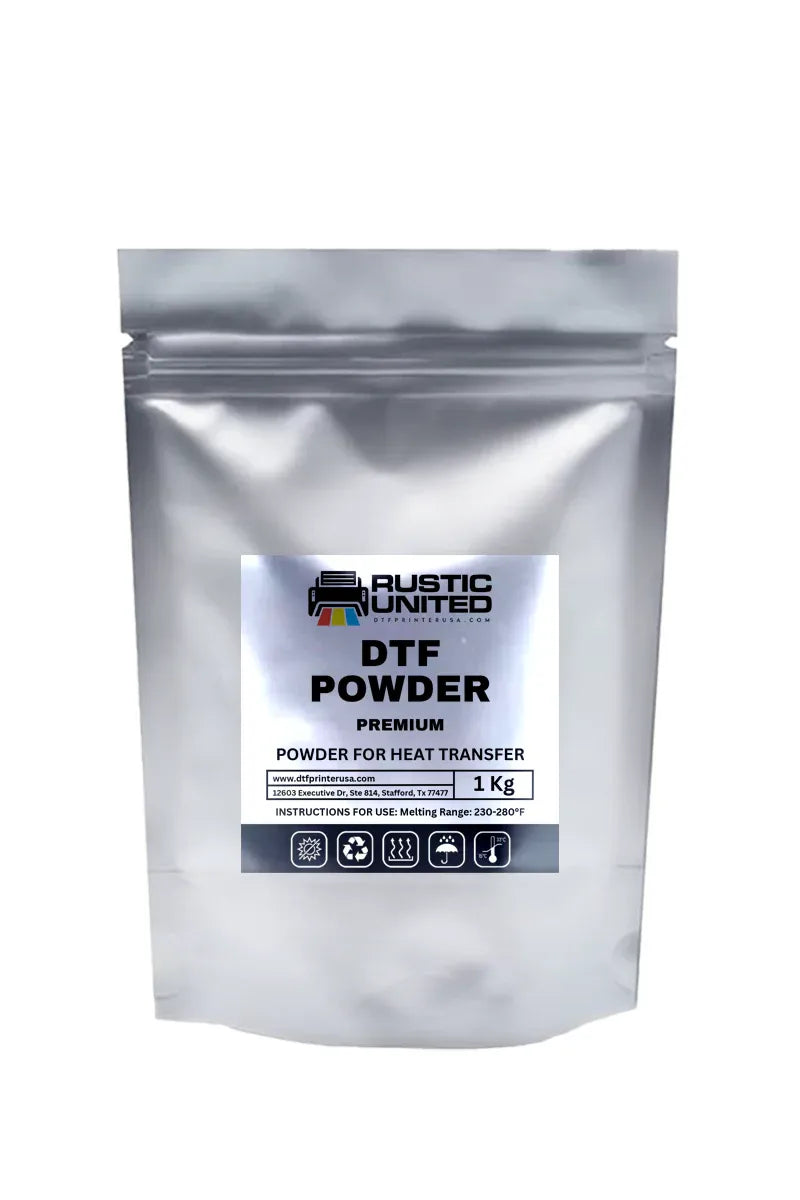
Both grades by the kilogram. Fine handles the detailed line work on retail tees where the hand-feel decides whether it sells; premium is what you want under a canvas tote, an apron or a cap that presses unevenly.
A 100 ml bottle that clears the head between sessions. Small money against the alternative, which is discovering a blocked nozzle on the morning a shelf needs refilling.
Single bottles cover a gap; the batch set keeps all five colors from one production run, which is what a repeat design needs. Same OEKO-TEX certified formula throughout, matched to Epson i3200 and i1600 printheads.
DTF white ink carries the underbase beneath every color, which means it drains fastest and it also decides how the finished print reads. Pigment that has settled produces a thin, grey underbase and colors that look washed next to last month batch. For a Brenham shop reprinting the same design across a season, agitating white properly matters as much as buying enough of it.
Expand any category for the full list and current pricing. Every film we stock, both powder grades, A3 sheet packs and maintenance fluids, all held in Stafford and ready to leave for Brenham on the same working day.
Choose a category below
DTF Transfer Film
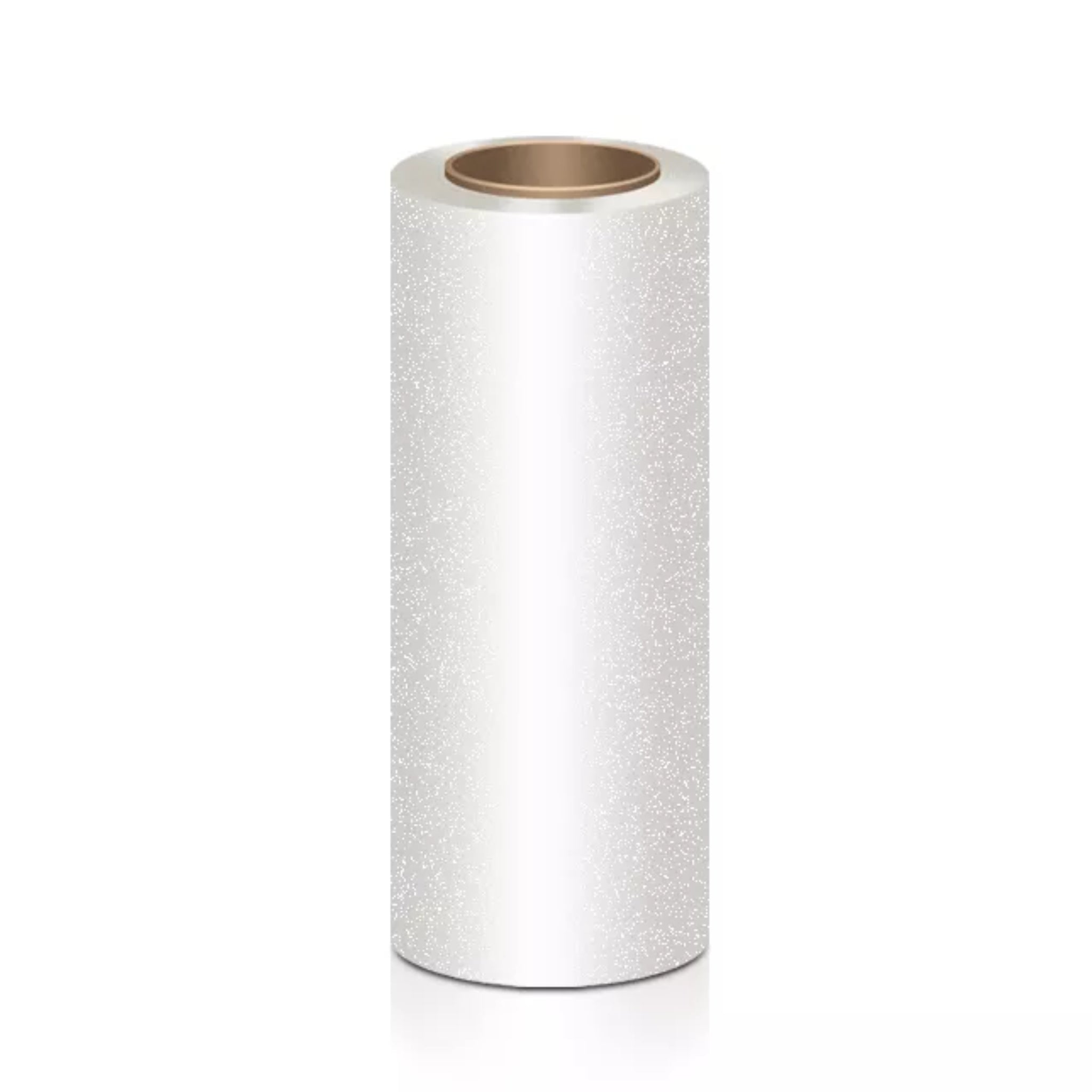
Instant Peel
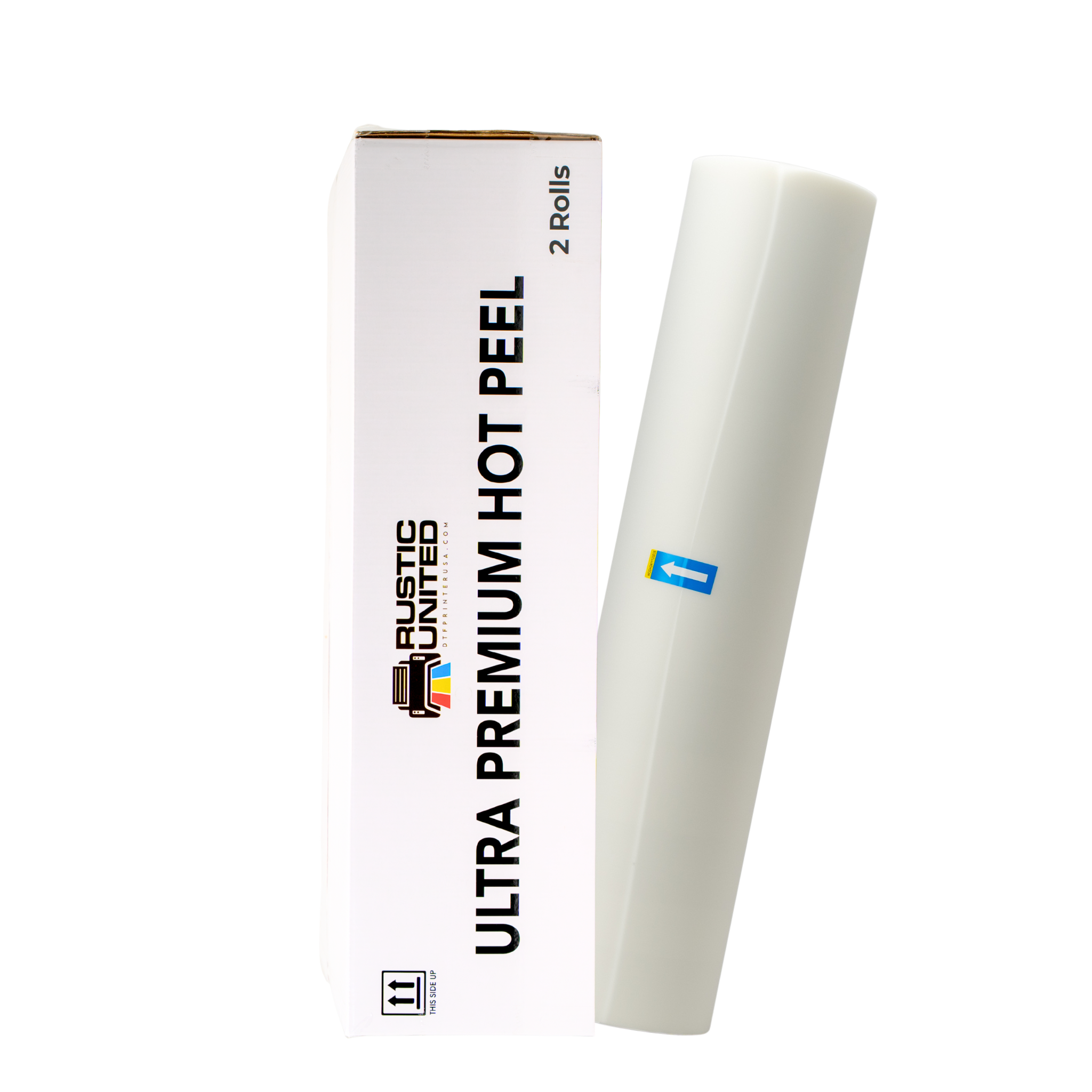
Premium Hot Peel Film
$74.55
A 24 inch by 328 ft roll that peels hot or cold depending on the piece. The general-purpose choice when a Brenham week covers tees, totes and a shop reorder.
The width that dominates Brenham restock orders. A refined hot peel that lifts cleanly and protects fine artwork, available at 12, 16.5, and 24 inches.
A 24 inch by 328 ft cold peel roll, lifted only once fully cooled. The film for boutique pieces where the print has to disappear into the fabric rather than sit on it.
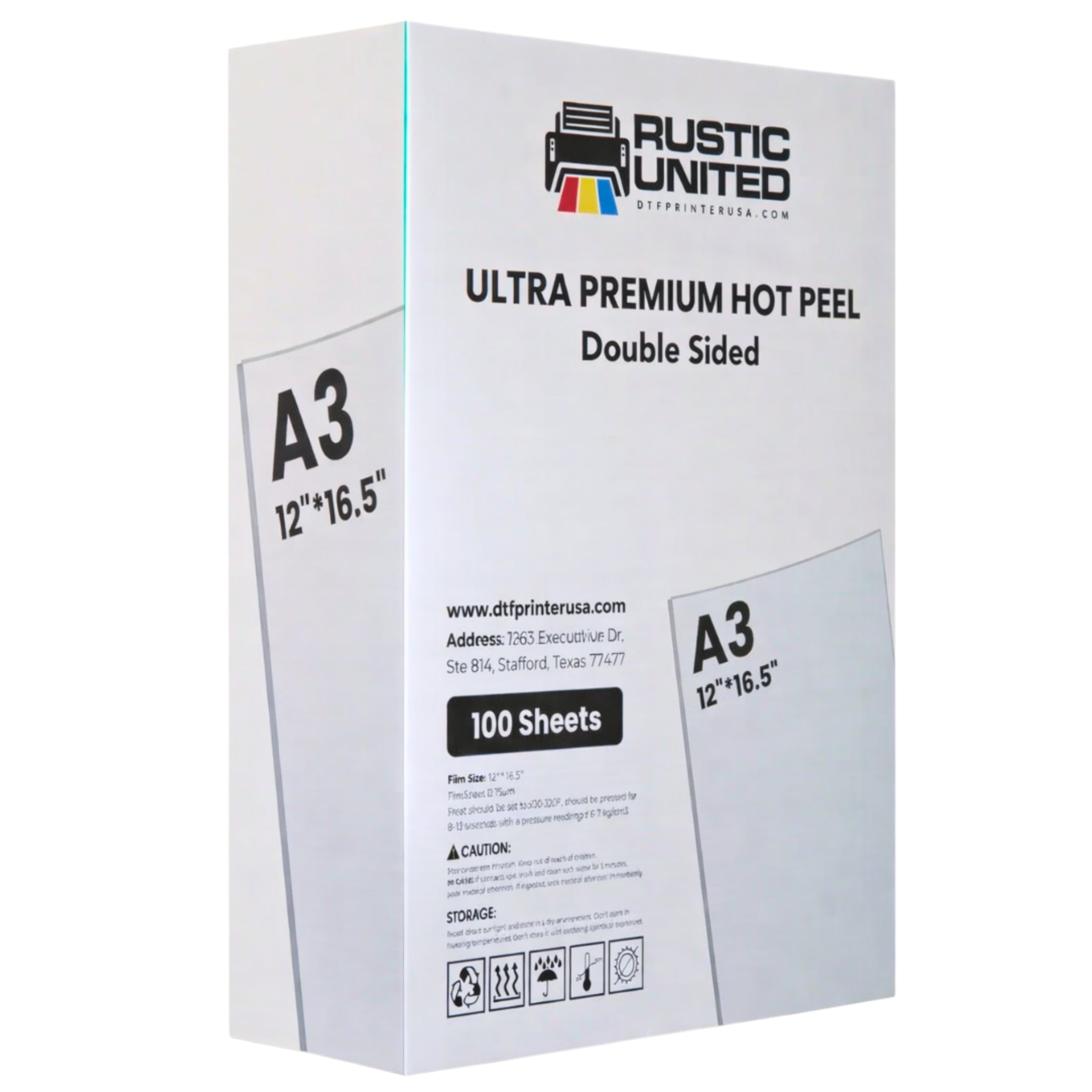
One hundred A3 sheets per pack, ideal for topping up a single design that sold through. Simple to work with on desktop machines and small Brenham runs.
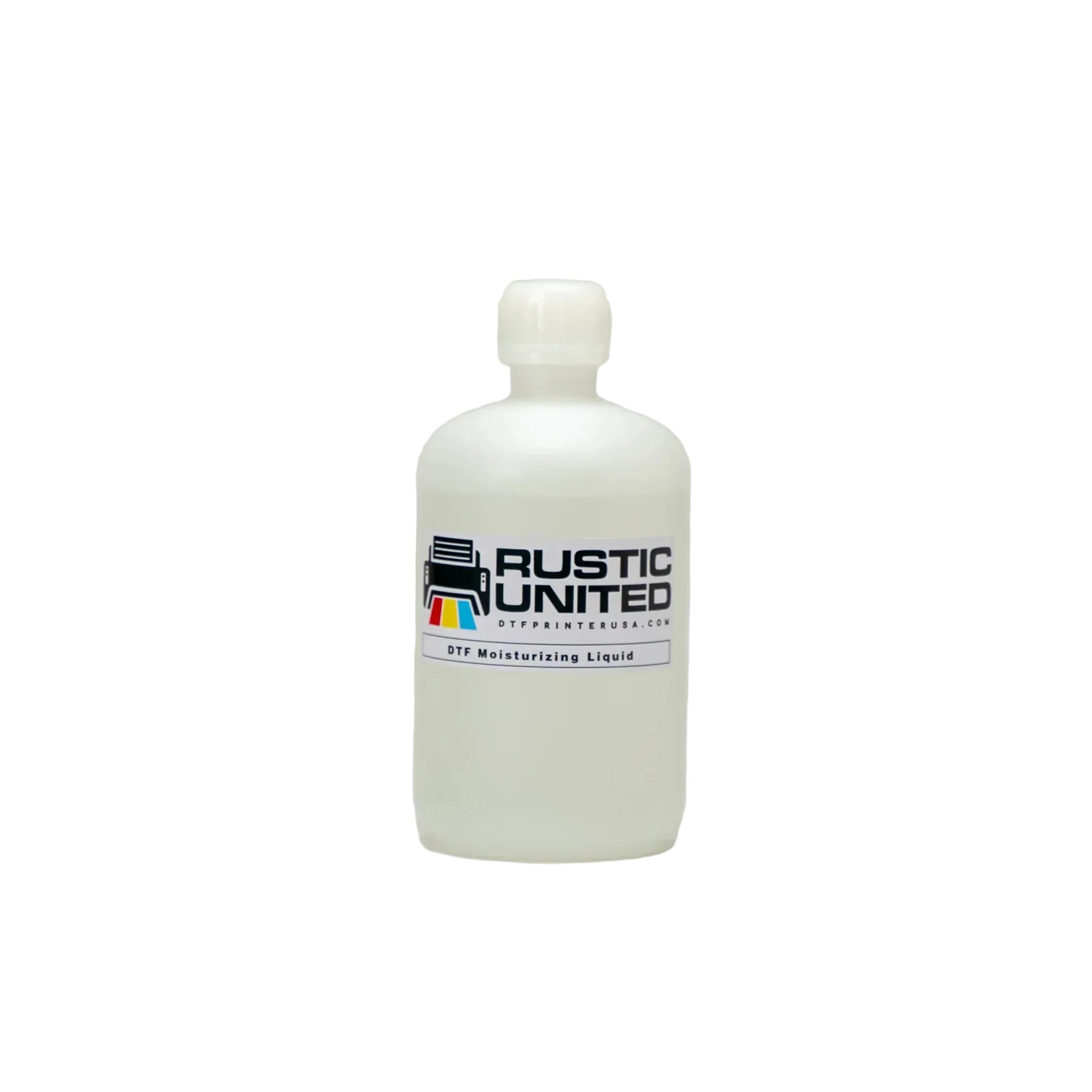
A liter of moisturizing fluid that protects the head while the machine sits. Particularly worth having where printing happens in bursts rather than daily.
DTF powder is the adhesive layer, and on retail work it carries a particular weight: a customer who buys a shirt off a rack in Brenham has no relationship with the printer, so a print that cracks is simply a bad product. Fine grain for detailed work on light cotton, premium for totes, aprons and anything that presses unevenly. Both ship by the kilogram from Stafford the same day.
Best Seller
Premium
$16.55
The grade for canvas, thick seams and any surface that will not sit perfectly flat.
Fine
$16.55
A small grain for close artwork, delicate type and soft retail cotton.
DTF transfer film, sometimes labeled DTF paper, holds the printed design until heat and pressure move it into the garment. For work destined for a rack rather than a client, the deciding factor is usually how the finished piece feels in the hand, since that is what a shopper judges. Here is how the three films we stock behave on a Brenham bench.
Best for high volume
Premium Double Hot Peel
Sold elsewhere as instant peel. Forgiving about when you lift it, which makes it the sensible everyday roll for mixed work.
Our usual first suggestion for a Brenham setup. A refined hot peel with a dependable release and edges that stay crisp, in 12, 16.5, and 24 inch widths.
Out of all the inks, films and powders I have tried, this company has the best quality on the market with the most helpful customer service. After seeing how their products performed I moved my whole setup over, and I have not looked back.
Salih
I am very pleased with the service and the quality of supplies from this company. I will definitely be purchasing from here again.
Don Mangum
Their DTF ink is top notch. My prints come out vibrant and they last, and being able to get ink, film and powder from one place made setting everything up straightforward. Highly recommend.
Brenham boutiques, downtown retailers, and Washington County decorators print things that go on a rack and stay there. That makes repeatability the whole game, and repeatability starts with buying the same consumables from the same shelf every time rather than whoever is cheapest that month.
Same-Day Shipping
Anything ordered before the cutoff is packed and gone that afternoon, headed northwest toward Washington County. Nothing waits to fill a truck, which is what makes reprinting a sold-out design a decision you can make on a Tuesday and act on that week.
OEKO-TEX Certified Ink
OEKO-TEX certification confirms the ink is tested safe in contact with skin once pressed, which matters when the buyer is a stranger who picked the shirt off a shelf. On press it means dense pigment, dependable white coverage, and flow tuned to i3200 and i1600 heads.
Production-Ready Stock
Everything listed is inventory we hold, not a catalog we source against when an order arrives. That is what lets a Brenham shop restock twelve of one design without a minimum order forcing it into a hundred it cannot sell.
Fast Local Delivery
The run from Stafford up to Brenham is a straightforward inland lane, so delivery timing stays steady enough to plan a restock cycle around. Facing a market weekend or an unexpected sell-through? Call and we will find the quickest route.
The Real Economics of Retail Printing
Stock Risk Is the CostNobody Prices In.
Printing for a shelf means guessing which designs and sizes will move, and the money lost to that guess dwarfs any saving on a bottle of ink. A supplier who can turn a restock around in days lets you print small, learn what sells, and reprint the winners. A supplier two weeks out forces you to commit up front and eat whatever does not move.
Same Day
Shipping
Order before the cutoff and it ships that afternoon, which is what turns a sold-out design into a restock rather than a missed season.
Local
Stafford Warehouse
One Stafford, TX building holding one inventory, so the colors you buy in spring come off the same shelf in autumn.
1 Call
To a Texas Team
A reprint reading darker than the original, or unsure how a tote will press? You reach a US-based team who work with this stock daily, the same day you ask.
A Supplier Weeks Away
Committing to volume up front because restocking takes weeks
Dead stock in sizes and designs that never moved
A reprint that visibly fails to match the original run
Questions answered long after the decision was made
Minimum orders that dictate what you are allowed to print
VS
DTF Printer USA, Built for Reprinting on Demand
Same-day dispatch so a restock is days, not weeks
One Stafford, TX inventory, so colors stay consistent all year
OEKO-TEX certified ink safe against skin once pressed
A US-based team that answers while it still matters
No minimums, so you print what actually sells
Printing in Brenham
A Town People Drive To, Not Through.
Brenham is a destination rather than a waypoint, and that single fact reshapes what a print shop here actually does. Visitors come for the creamery, the antique trade around historic downtown, the Antique Rose Emporium, and the wildflower drives through Washington County every spring, with Washington-on-the-Brazos drawing its own steady traffic just up the road. The apparel that results is not commissioned by a client with a deadline; it is printed on speculation, put on a rack, and sold to somebody who will never speak to the printer. That inverts the usual economics. You are carrying the stock risk, guessing the size curve, and living or dying on whether a design sells through. What matters from a supplier is not just speed but repeatability, because the reprint has to match what sold. Orders leave our Stafford warehouse the same day and run inland to Washington County.
Downtown Retail & Visitor Trade
Historic downtown Brenham and the antique trade around it fill shops with printed goods aimed at people passing through for a weekend: tees, canvas totes, aprons and caps carrying the town name or a local design. These are short runs printed to stock, which is where DTF earns its keep, since reprinting twelve of a design that sold costs no more per piece than printing two hundred.
Wildflower Season & Spring Traffic
Spring wildflower traffic across Washington County produces the sharpest demand spike of the year, and it arrives on a schedule nobody controls. Shops that stock ahead of it sell through; shops that wait until the racks empty spend the season chasing. Holding a spare film roll and a full ink set through March and April is the cheapest insurance available.
Washington County Reach
A Brenham shop typically supplies Chappell Hill, Burton, Bellville, Navasota and Hempstead as well as its own square, since those towns share the same visitor traffic without the same retail density. Same-day dispatch from Stafford is what makes serving that spread practical rather than aspirational.
Serving Brenham & Washington County
DTF Printer USA supplies Brenham and the surrounding Washington County area with ink, film, powder, cut sheets and printhead care. From historic downtown and Fireman's Park out through Chappell Hill, Burton, Bellville, Navasota and Hempstead, a Brenham print shop, boutique or decorator is restocking from a Texas shelf instead of waiting on an import.
Local Delivery Area
Same-day dispatch and a steady inland run into Brenham and the towns around it. The same Stafford inventory ships anywhere in the US.
Three things that decide whether a Brenham shop makes money on retail work: how you handle stock risk, whether your reprints match, and what happens when the product is not a flat cotton tee.
Printing for a Shelf Instead of an Order
Contract printing and retail printing look identical on the press and behave nothing alike on the books. With a client order the design, quantity and sizes are decided before you buy a single blank, and the money is effectively banked. Printing for your own rack reverses all of it: you choose the design, guess the size curve, pay for the blanks, and only find out months later which decisions were right. Most of the loss in a retail print operation is not in consumables at all, it is in the twelve pieces of a design that never moved. DTF changes that arithmetic in a way worth being deliberate about. Because there is no screen setup to amortize, printing eight of a design costs the same per piece as printing eighty, which means you can put four designs on a rack in small numbers, watch for a fortnight, and put the volume behind whichever one actually sells. The condition attached is supply. That approach only works if a restock takes days rather than weeks, because the whole point is reacting to what the rack tells you while the season is still running. A Brenham shop that treats its first print of any design as a test rather than a commitment will carry far less dead stock by the end of the year.
Making the Reprint Match the First Run
A retail design that sells will be printed again, and often again after that, sometimes six months apart. If the second batch reads noticeably different from the first, the shop ends up with two versions of the same product on one rack, and customers notice. Drift creeps in from four places and every one of them is controllable. White ink settles, so a bottle poured without proper agitation lays a thinner underbase and every color above it looks weaker; agitating properly before each run removes most of the problem on its own. Switching film or powder mid-design changes the finish even when the ink is identical, so a repeating design should stay on one film and one powder grade for its whole life. Press settings drift too, because time, temperature and pressure get adjusted for other jobs and nobody writes down what they were; keeping a short recipe card per design fixes that permanently. The last one is the simplest: keep one printed piece from the original run in a drawer as a physical reference, because comparing a new print against a memory of the old one is guesswork, and comparing it against the actual garment is not.
Totes, Caps and Anything That Is Not Flat
Visitor retail sells a lot that is not a t-shirt. Canvas totes, aprons, caps and drawstring bags all end up on the same racks, and each one fails differently if you press it like a flat garment. The common thread is uneven pressure. A tote has side seams and a boxed base, an apron has ties and a folded hem, a cap is curved in two directions at once, and a press platen contacts none of them evenly. Where the pressure drops, the bond does not fully form, and the print lifts at exactly that spot after a few uses. Premium powder is the first correction, because a stronger adhesive tolerates a less than perfect press cycle. Beyond that it is mostly setup. Slide a tote over the platen rather than laying it flat so only one layer sits under the heat, use a smaller platen or a pressing pillow to raise the target area above surrounding seams, and for caps use a curved cap platen rather than trying to flatten the panel. Canvas is thicker than jersey and holds heat differently, so it usually wants a few extra seconds rather than more temperature. As with anything, press one and wash it before committing a run to the rack.
DTF Supplies FAQ
Brenham DTF Supply Questions, Answered.
What Brenham retailers and Washington County decorators ask before committing to a DTF supply source.
DTF Supplies in Brenham
DTF supplies in Brenham are the consumables a direct-to-film setup runs on: DTF ink in white plus cyan, magenta, yellow and black, transfer film as rolls or A3 sheets, adhesive powder in fine and premium grades, and printhead cleaning and moisturizing fluid. DTF Printer USA holds the full range at one Stafford, Texas warehouse and ships the same day into Brenham and the wider Washington County area.
Yes. A standing order suits Brenham shops particularly well, because retail stock gets replenished on a rhythm rather than in response to a single client deadline. Tell our team the cadence and the quantities and we will time ink, film and powder to land ahead of your busy stretches instead of during them.
Pricing, Speed & Volume
Yes. Brenham businesses get volume pricing on DTF ink, which lowers the cost per liter as the order size climbs, and combining ink with film and powder on one shipment spreads a single delivery cost across the whole restock. For a shop printing to stock rather than to order, that difference shows up directly in the shelf margin.
Orders placed before our daily cutoff leave the Stafford, Texas warehouse the same afternoon and travel northwest toward Washington County, and a tracking number reaches you as soon as the box moves. Everything ships from that one building rather than a network of depots, so the stock figure you see on the page is the stock that exists.
Yes. Alongside individual 1-liter bottles we stock a five-color batch set aimed at shops running higher volume, and the volume tiers bring the cost per liter down as quantities rise. Buying a batch also keeps your colors from the same production run, which helps consistency across a long print schedule.
Ink, Consistency & Fabrics
Brenham customers can order White, Cyan, Magenta, Yellow and Black in 1-liter bottles, or the five-color batch set when a full refill is due. Every color resists nozzle clogging, carries a 12-month sealed shelf life, and qualifies for volume pricing. All of it dispatches the same day from Stafford.
Matching a reprint comes down to removing the variables rather than eyeballing the result. Agitate white thoroughly before every run so pigment density stays even, keep the same film and powder grade across both batches, save your press time, temperature and pressure as a written recipe rather than a memory, and keep one printed reference piece from the first run to compare against. Consistent consumables from a single supplier remove the largest variable of all.
Totes, caps and aprons all press differently from a flat tee because the surface is thicker, seamed or curved, so premium powder is the safer grade for a bond that has to survive uneven pressure. Canvas totes take heat well and hold detail, while caps need a smaller platen or a cap press to reach the panel properly. Every film width and both powder grades leave Stafford on the same day you order.
Choosing a selection results in a full page refresh.