1 LT Batch DTF Ink
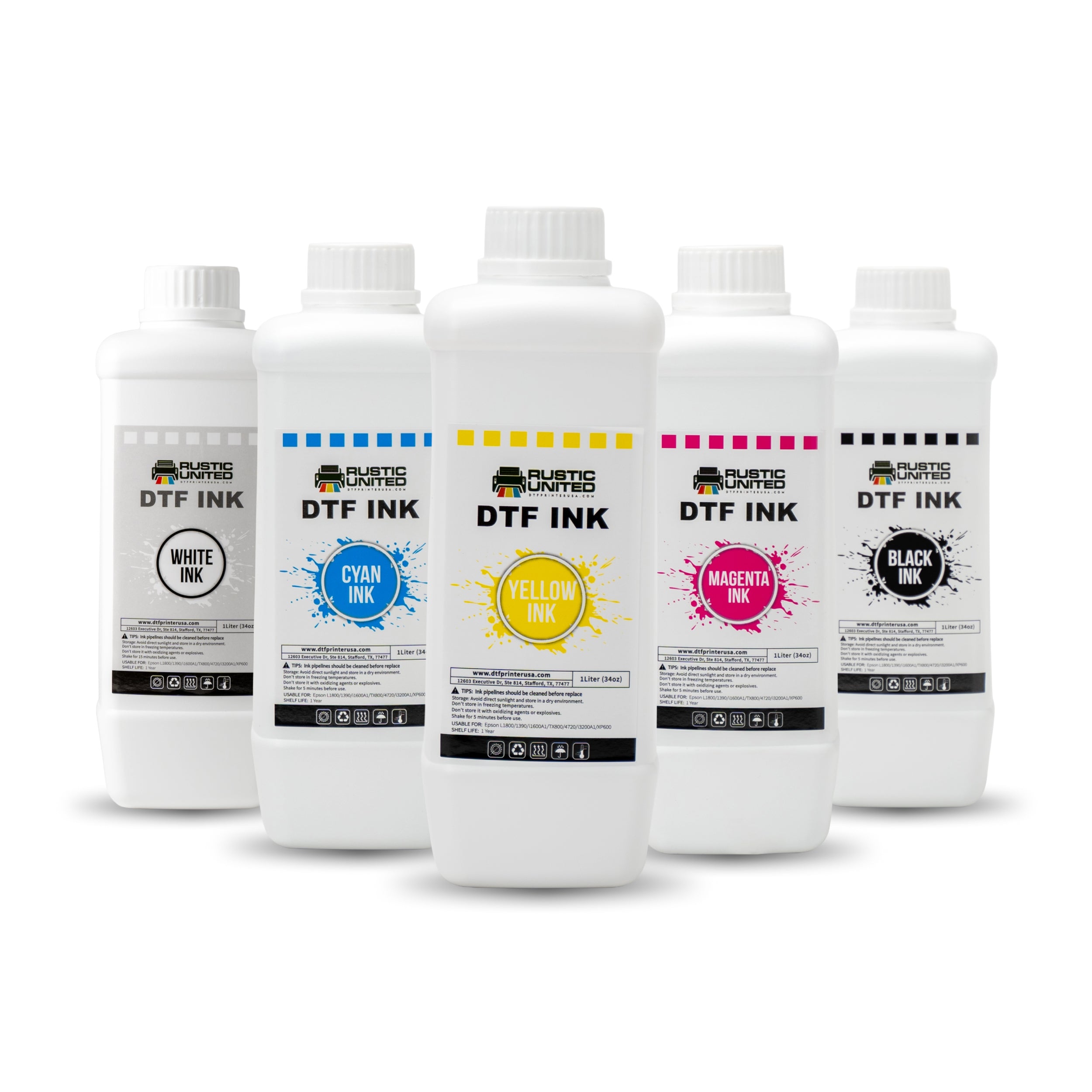
White, Cyan, Magenta, Yellow and Black, a liter apiece in a single box. The batch is where volume pricing begins, and putting film and powder on the same shipment spreads one delivery cost across the entire restock.
Get the SetPort Arthur was built to move things through, and a supply chain that works here has to do the same. Everything on this page ships from one inland Texas warehouse the same afternoon you order it, in English or Spanish, whichever suits. Ink, film, powder and cleaner, all of it formulated for Epson i3200 and i1600 heads.
White ink, film and powder make up almost every restock, with cleaner close behind. All of it is held in Stafford ready to travel down to Port Arthur, Nederland, Groves, Port Neches and Orange. Film widths, powder grades, sheet packs and printhead fluids appear in the catalog below.

White, Cyan, Magenta, Yellow and Black, a liter apiece in a single box. The batch is where volume pricing begins, and putting film and powder on the same shipment spreads one delivery cost across the entire restock.
Get the Set
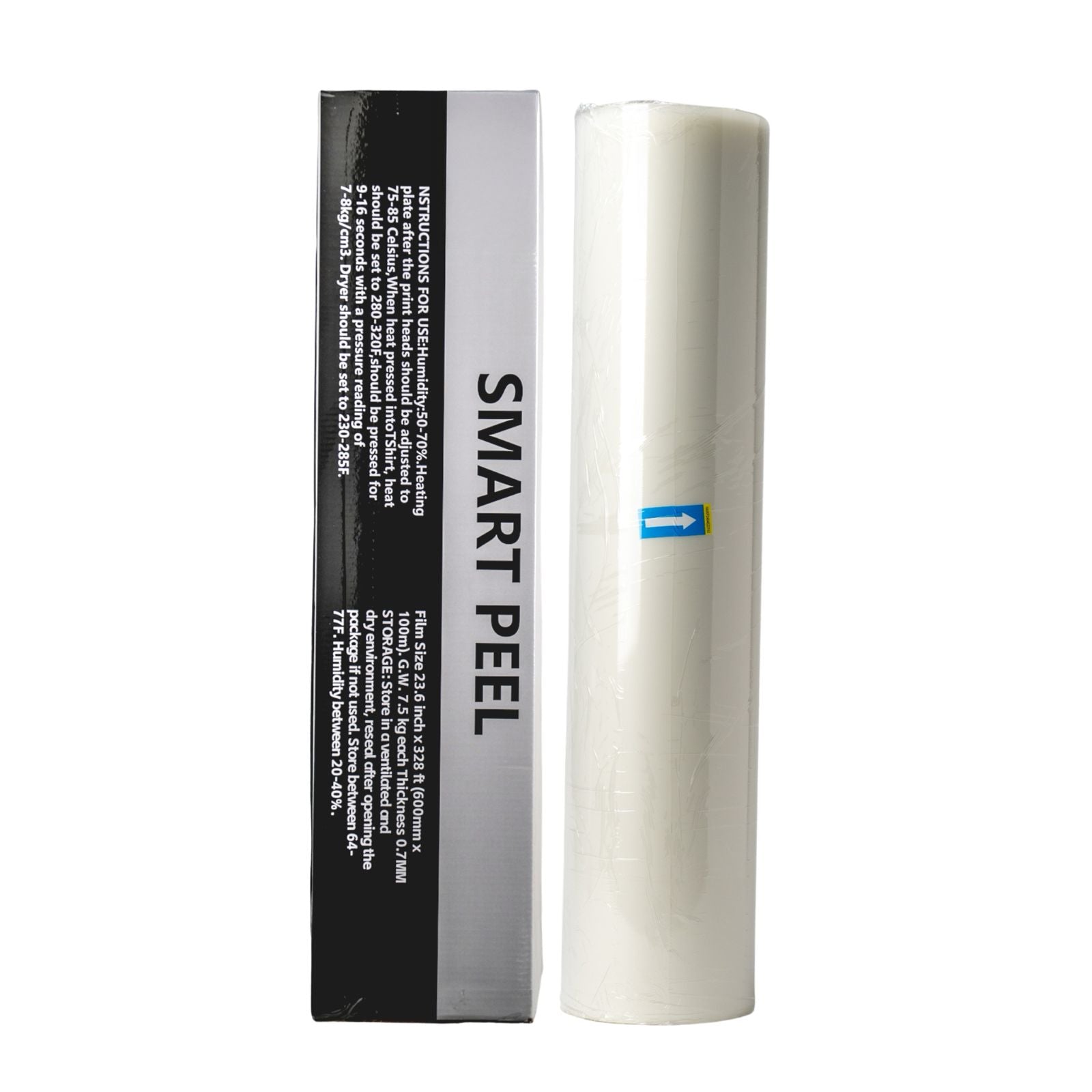
Three hundred and twenty-eight feet of 24 inch film on one roll, undemanding about peel timing and even from start to finish. Fewer reloads across a long run and less standing about waiting for sheets to cool.
Check Stock
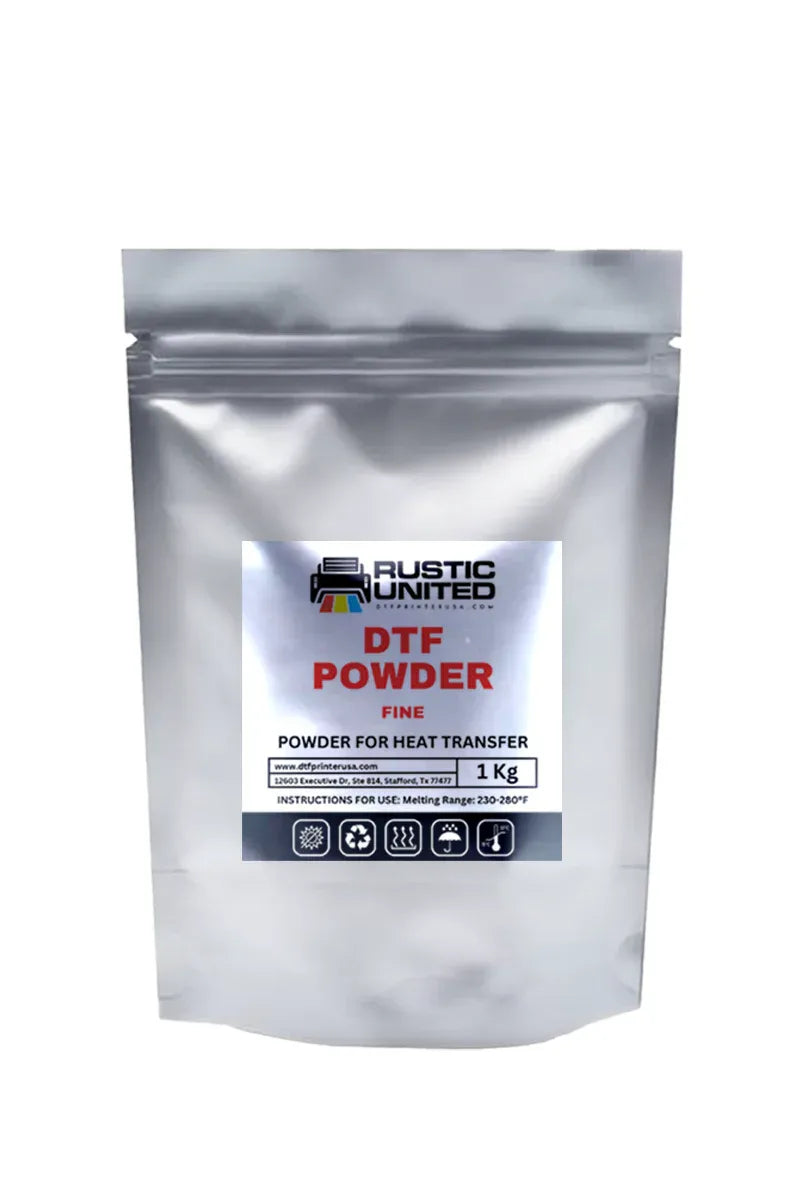
Fine and premium, both by the kilogram. Fine holds close detail on lightweight cotton; premium gives the harder bond that plant and marine crew apparel needs to survive salt air and constant laundering.
View Options
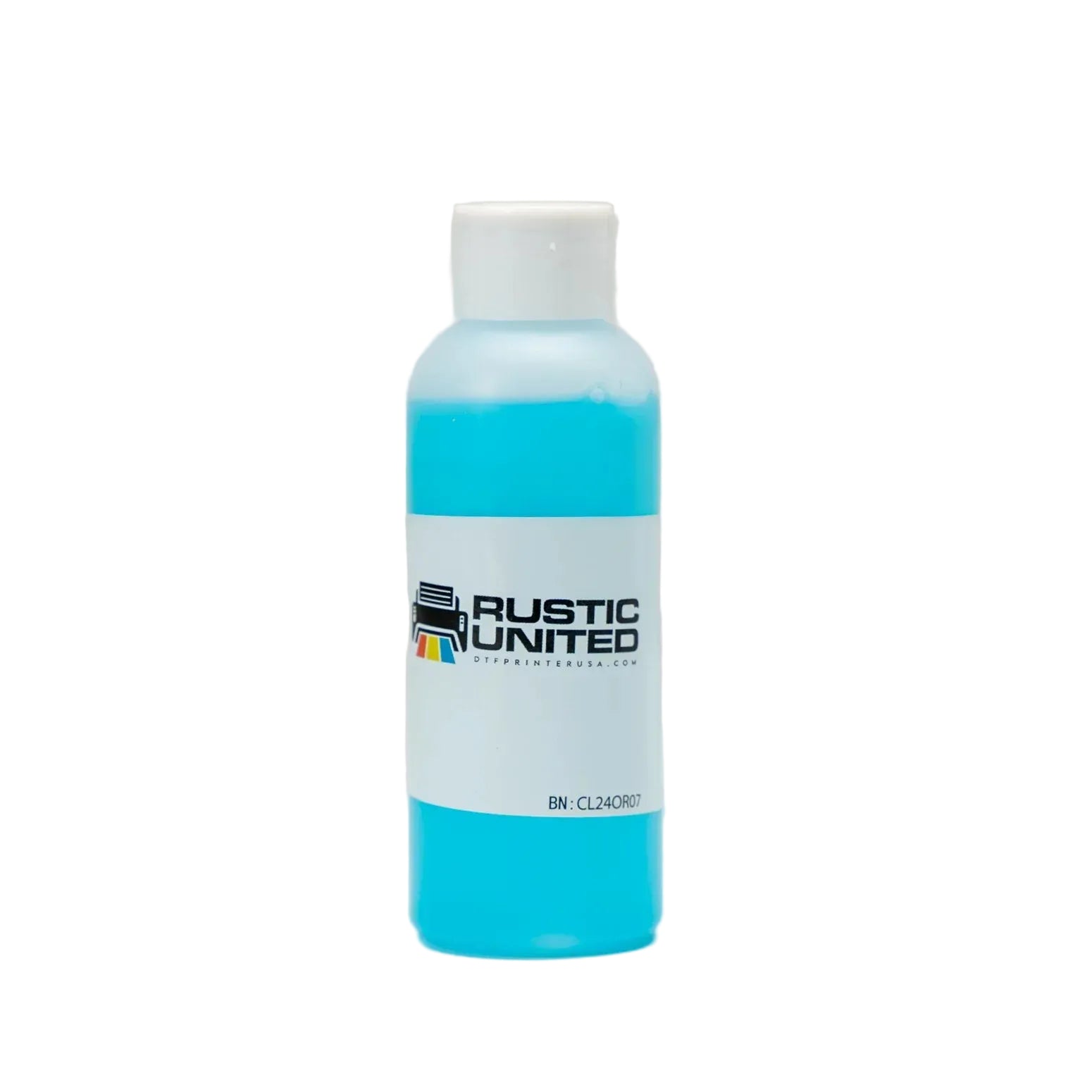
A 100 ml bottle of printhead cleaner. Worth keeping two of on the Gulf coast, since a shop that loses power for several days wants the head flushed and capped before it sits.
View OptionsOpacity on darks, elasticity so the print flexes instead of cracking, clog resistance to protect the head, and a shelf life that holds. All five colors are built to the same OEKO-TEX certified specification for Epson i3200 and i1600 printheads.
DTF white ink is the one bottle where quality is immediately visible, because opacity either covers a dark garment or it does not. Thin white shows up as washed-out color that no amount of adjustment in the file will fix, and it is the single most common reason a print disappoints. Ours is built to lay dense on navy and black, resist clogging in i3200 and i1600 heads, and hold its shelf life sealed rather than separating in the bottle.
Each category opens to the full list with live pricing. Every film width, both powder grades, A3 cut sheet packs, printhead fluids and packaging, all held in Stafford and cleared to leave for Port Arthur on the same working day.

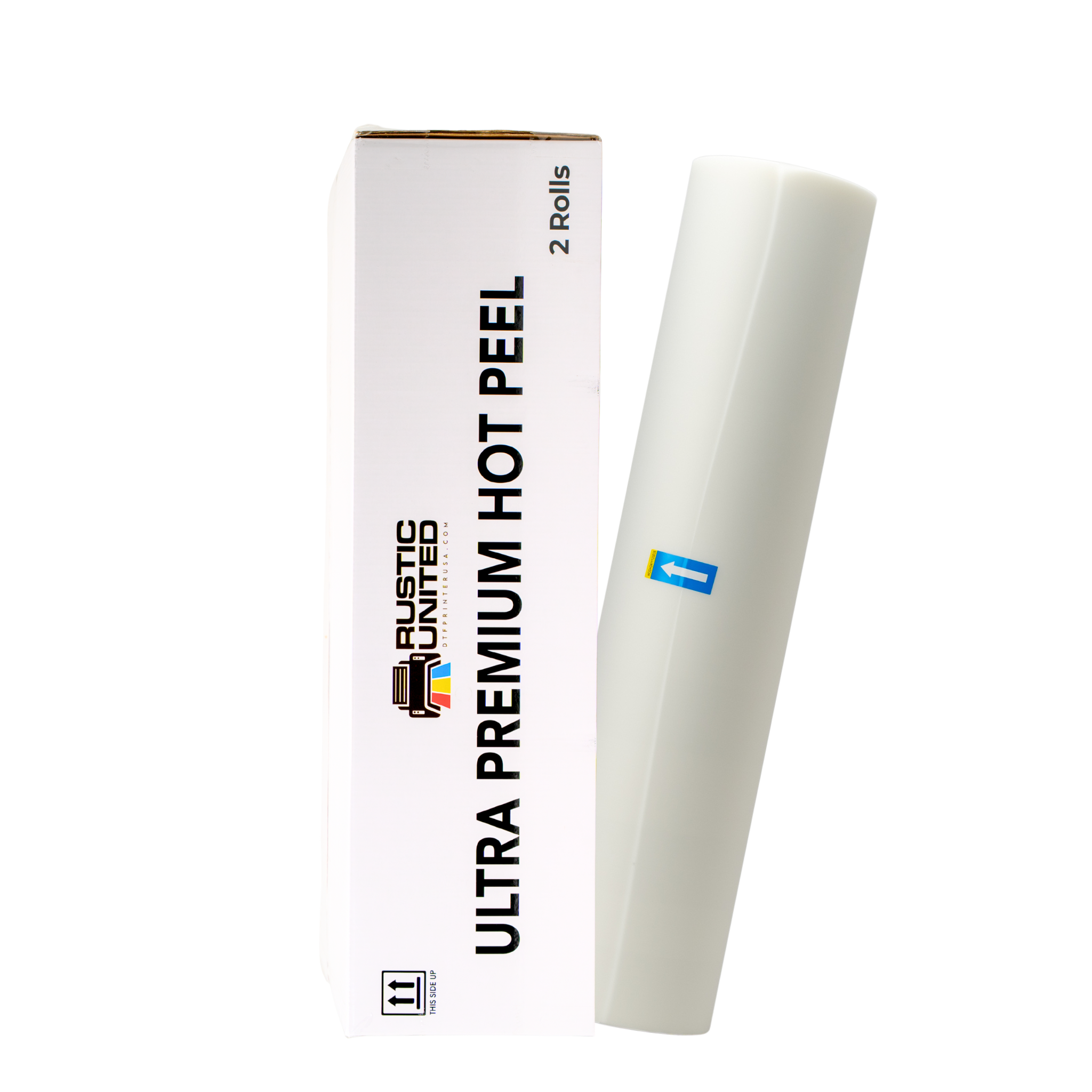
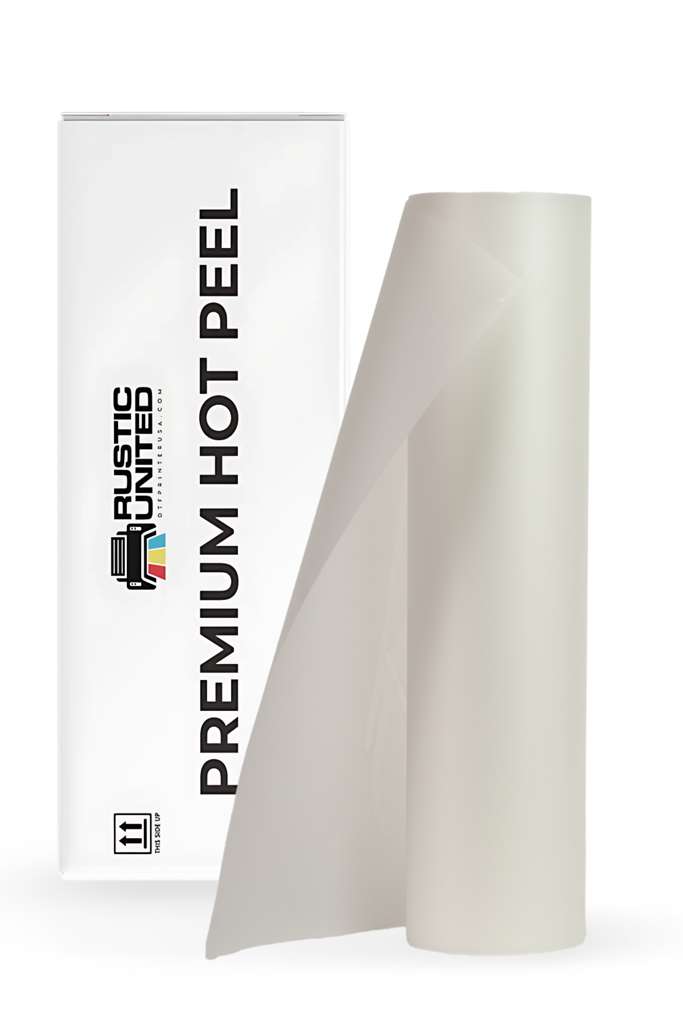
A 24 inch by 328 ft roll that comes off warm or cold, whichever suits. The standard roll and the one most Port Arthur benches run day to day.
Check Stock
A step up in refinement, with a cleaner release and better fidelity on close artwork. Held in 12, 16.5, and 24 inch widths.
View Sizes
A 24 inch by 328 ft cold peel roll, lifted after cooling. The one for accented lettering, small text and prints that need to finish soft.
Shop Film
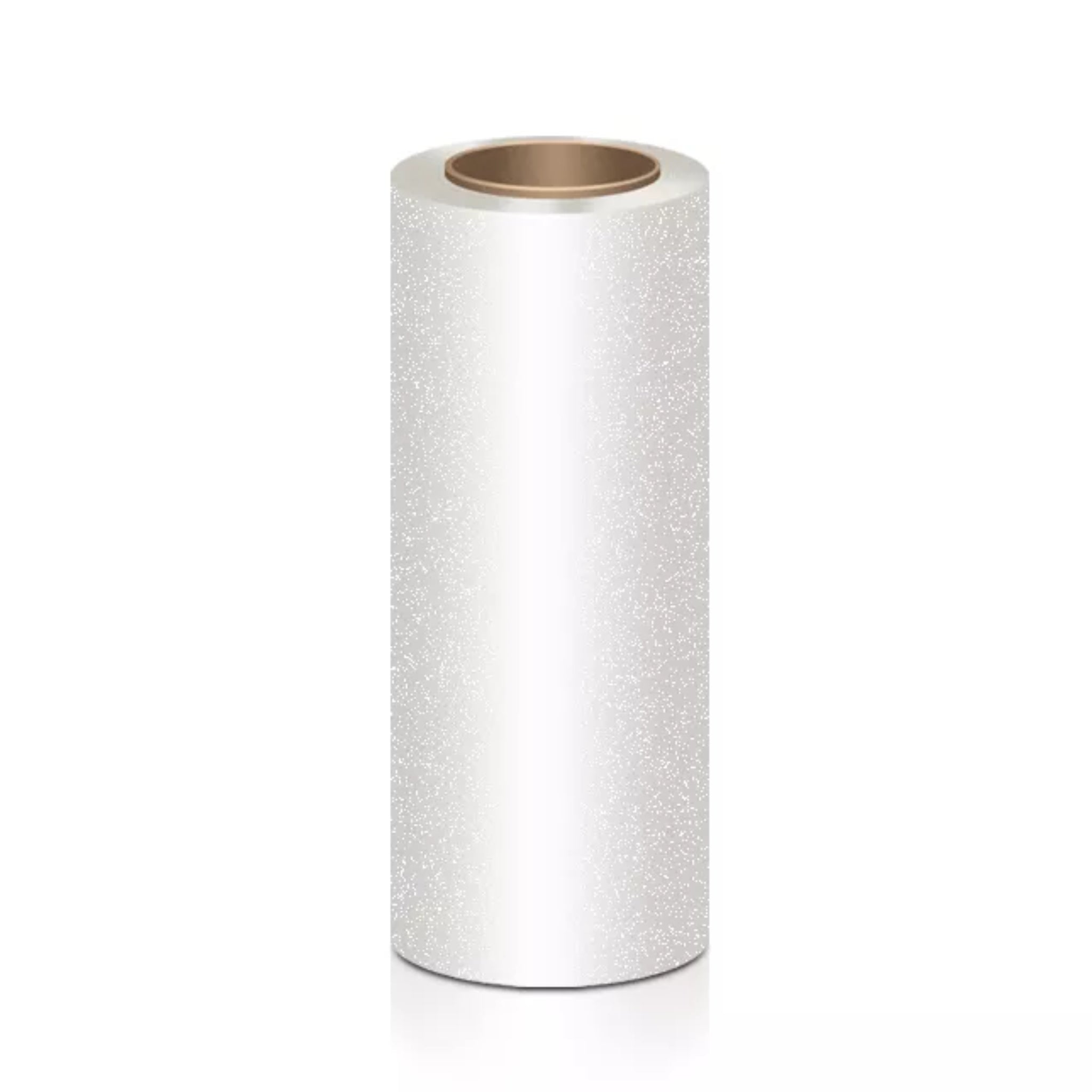
A 24 inch by 328 ft glitter roll when a design calls for shine. Loads and presses exactly like any standard film.
Shop Film
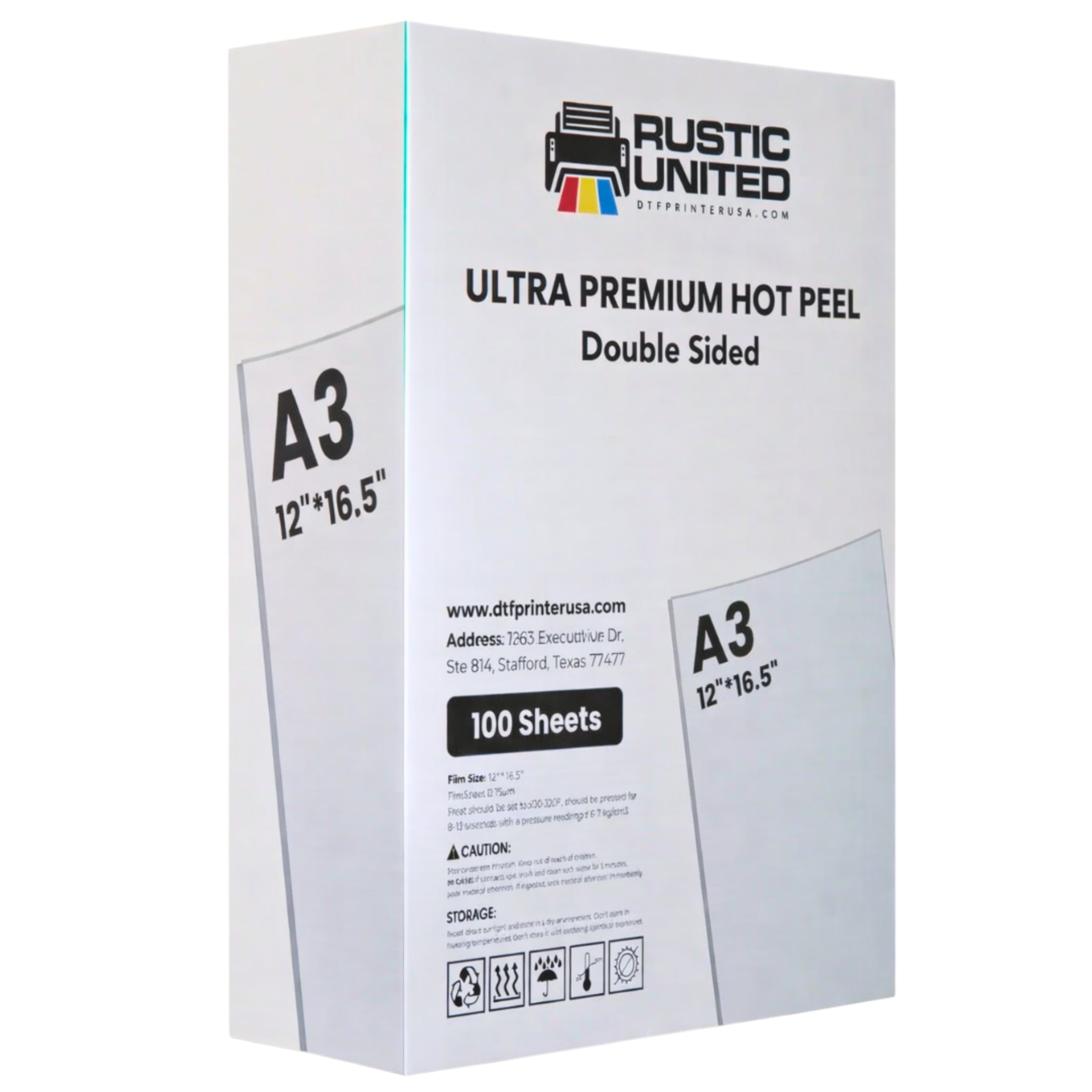
One hundred A3 sheets to a pack, for shops that prefer sheet feeding and for the jobs that never justify opening a roll.
Get Sheets
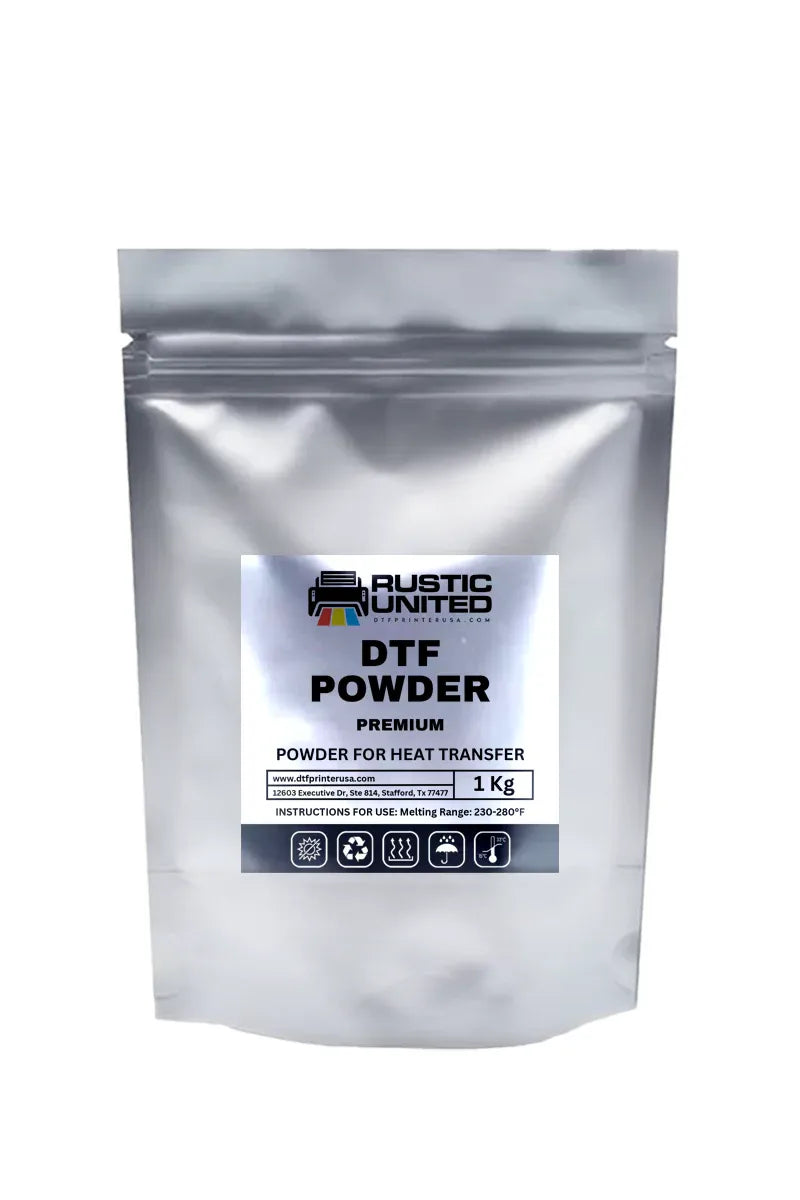
The stronger grade by the kilogram, for crew apparel, bags and anything laundered constantly.
Stock Up
One kilogram of fine grain for close artwork and lighter cotton. Cures flat and finishes soft against the fabric.
Check Stock
Concentrated cleaner in a 100 ml bottle. What you reach for before a shutdown, planned or otherwise.
View Options
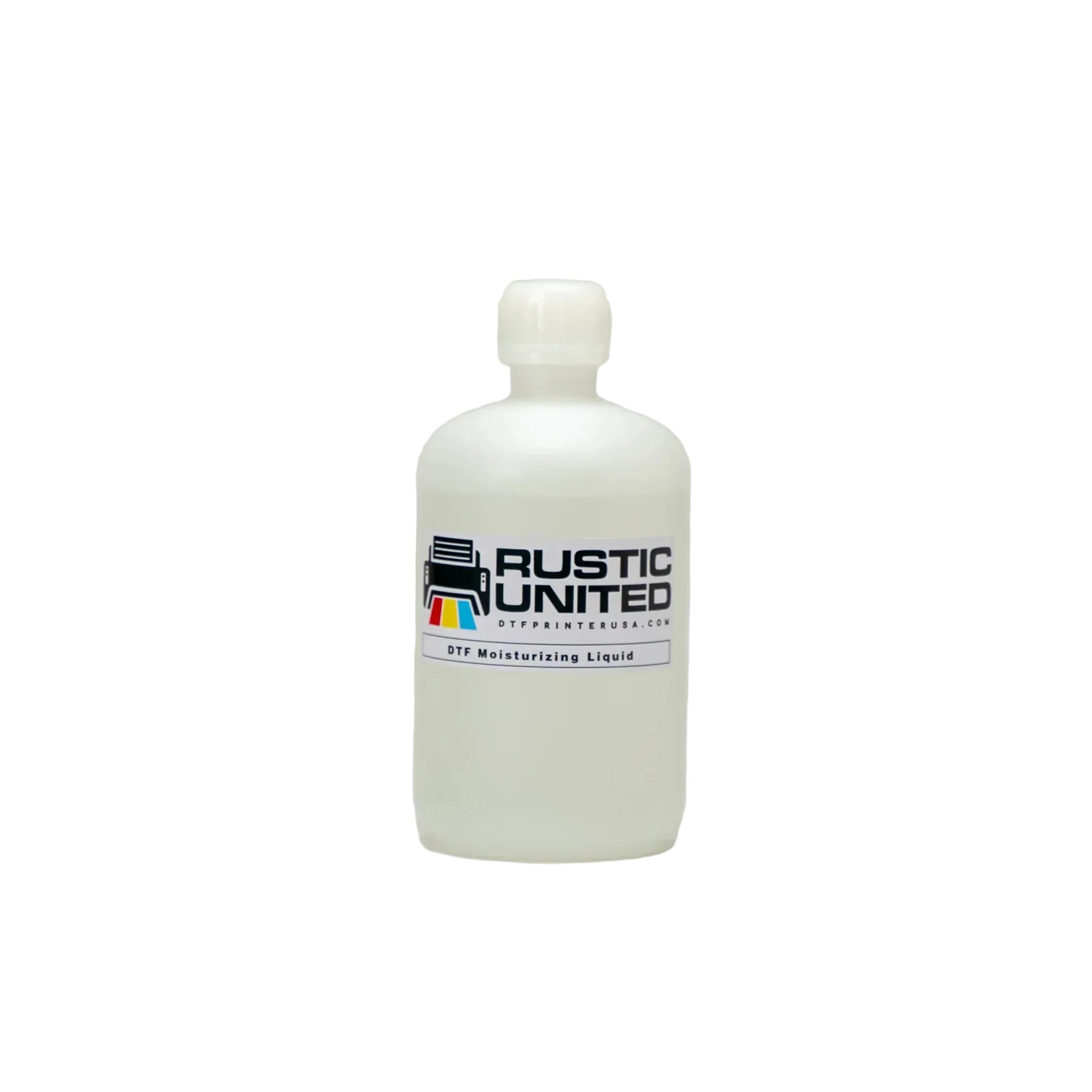
A liter of moisturizing fluid, and the thing you want on hand if the power goes out for longer than a night.
Check Availability
DTF powder is the adhesive that welds a print into the fabric, and around here the garments it goes onto lead hard lives. Crew apparel on the waterway and at the plants gets salt, sun and industrial laundering, which is where premium grade earns its price. Fine grain stays the right call for detailed work on lighter cotton. Both ship by the kilogram from Stafford the same day.
The bond crew apparel and marine work genuinely require.
Fine grain for detail work and a soft finish on light cotton.
DTF transfer film, sold in places as DTF paper, carries your artwork until the press moves it into the fabric. Two decisions sit here: rolls or cut sheets depending on how you feed the machine, and hot or cold peel depending on how much detail the design holds. The three rolls below cover almost everything a Port Arthur bench prints.
Some suppliers list this one as instant peel. Relaxed about timing, which is what makes it the default working roll.
A cold peel roll, so it comes off once cool. The one for accented type and anything where the finish has to feel soft.
The cleanest release we stock without giving up hot peel speed. Available in 12, 16.5, and 24 inch widths.
The films and inks I have bought here are top quality. After trying several different suppliers, these are the products I am sticking with. Gladly recommended.
I recently ordered DTF ink and had a great experience. It arrived quickly, was well packaged, and performed exactly as expected. The colors are vibrant, prints came out sharp, and the ink flowed smoothly through my printer without any issues. The quality has been consistent, which matters for my custom apparel business.
Great service and the products are amazing. Good quality ink, and I get vibrant colors on all my prints with an Epson XP-600.
Port Arthur print shops, plant and marine contractors, and southern Jefferson County decorators work a coast that occasionally closes for a week. A supplier sitting inland with real stock, shipping same day and answering in either language, is worth more here than a slightly cheaper bottle from somewhere unreachable.
Clear the daily cutoff and the order is packed and moving that afternoon, with tracking in your inbox before the day ends. Nothing is batched or held back, which is what makes a restock after a disrupted week straightforward rather than another delay.
Every bottle carries OEKO-TEX certification, verifying the ink is safe against skin once pressed. Beyond that, what you should judge an ink on is opacity, elasticity, clog resistance and shelf life, and ours is formulated for all four rather than for a price point.
Everything listed is inventory we hold rather than source once an order lands. Ink, film, powder and sheets come off the same shelf, so a Port Arthur restock is one invoice, one shipment and one delivery cost rather than three.
Our warehouse sits well inland of the coast, which matters in a city that has closed for weather more than once. Rebuilding stock after a storm, or setting up a standing order? Call or email in English or Spanish and we will sort it.
Most shops chase the headline price on a bottle and pay it back three times over in shipping. Ink at the volume tier costs less per liter, and putting film and powder on that same shipment spreads a single delivery charge across the whole restock instead of paying it separately for each item. Done consistently across a year, that is a larger saving than any discount on a single line.
Port Arthur did not grow into a port, it was laid out as one. Arthur Stilwell needed deepwater at the end of his railroad in the 1890s and built a city to provide it, and the Sabine-Neches Waterway has carried the region ever since. Two things follow from that history for anyone printing apparel here. The first is the work itself: refineries, terminals, the waterway and a commercial fishing fleet, alongside the ordinary business of a city with Pleasure Island, Sea Rim, the Museum of the Gulf Coast and a full calendar of its own. The second is who your customers are. Port Arthur is one of the most linguistically mixed cities in Texas, shaped by Hispanic and Vietnamese-American communities among others, and a shop that can quote, proof and correct a name in more than one language has an advantage that has nothing to do with printing. Orders leave our Stafford warehouse the same day and run down to Jefferson County.
The Sabine-Neches Waterway, the refineries around it and the commercial fishing fleet drive a steady demand for crew shirts, contractor apparel and branded workwear. This is clothing worn every shift in salt air and laundered hard, which puts premium powder and a durable film pairing ahead of anything else.
A large share of orders here arrive in Spanish or from Vietnamese-American businesses, often with names and text carrying accents and diacritics. Getting those characters to render and press correctly is a real technical skill, and a shop that handles it properly keeps customers who have been let down elsewhere.
Port Arthur sits alongside Nederland, Groves, Port Neches, Beaumont and Orange, a dense cluster of towns within a short drive of each other. Same-day dispatch from an inland warehouse is what keeps supply steady across all of them, including the weeks the coast is disrupted.
DTF Printer USA keeps Port Arthur and southern Jefferson County supplied with ink, film, powder, cut sheets, printhead care and packaging. From Pleasure Island and the Museum of the Gulf Coast out through Nederland, Groves, Port Neches, Beaumont and Orange, a Port Arthur print shop, apparel brand or decorator is buying from a Texas shelf rather than waiting on an import.
Same-day dispatch and a direct run down to Port Arthur and the Mid County towns beside it. That same Stafford stock reaches any address in the US.
Three things a Port Arthur bench should have sorted: printing names in more than one alphabet without mangling them, protecting stock and equipment before a storm, and judging an ink properly rather than by its price.
In a city this linguistically mixed, a large share of personalized work arrives with characters that are not plain English letters, and this is where shops quietly lose customers. Spanish brings accented vowels and the tilde. Vietnamese goes considerably further, stacking tone marks above and below letters that already carry a diacritic. Three separate things go wrong with them, and all three are fixable. The first is the font. Many display and script fonts, particularly free ones, simply do not include the accented glyphs, so a character either drops out entirely or falls back to a different typeface mid-word. Check the font actually contains what the name needs before you build the artwork, and choose one with proper coverage rather than fixing it later. The second is clipping. Stacked marks sit higher and lower than a normal cap height, so a text box or a design bounded tightly to the letters will crop the top or bottom off a tone mark, which reads as a typo to the person whose name it is. Give vertical space and check the outlines rather than the preview. The third is copy and paste. Text pasted between applications can lose or reorder marks depending on encoding, and the safest habit is to receive names in a plain spreadsheet, paste them once, and then proof against the original rather than against your own retyping. Above all, send a written proof and have the customer confirm the spelling before you print. A misspelled name is a reprint you pay for, and getting somebody name right first time earns more repeat work in this city than any discount.
This coast has closed for weather more than once, and a print shop that thinks about it beforehand loses far less than one that improvises. Stock comes first because it is the easiest to save. Get ink and powder off the floor and up onto shelving well above any level you have seen water reach, keep everything sealed rather than trusting the building, and remember that powder is ruined by damp long before a bottle of ink is. Heat is the quieter risk: a building without power in summer will cook past anything ink is rated for, so if the outage looks long, moving stock is worth the effort. Equipment needs a shutdown routine rather than an unplugging. Run a cleaning cycle, park the head so it caps properly, top up the moisturizing fluid, and power down through the machine rather than at the breaker, because a head left uncapped for days is usually a head you replace. Unplug afterwards to protect the electronics from what happens when power comes back. Two administrative points people skip and later regret. Photograph your stock and equipment while everything is intact and keep the file somewhere off-site, because insurance conversations go very differently with dated pictures. And know what your restock looks like before you need it, since our warehouse sits inland of the coast and ships same day, which means the supply side of getting back to work is usually the fastest part.
Ink is where shops most often buy on price and most often regret it, largely because the difference does not show up on the day it is poured. Four properties actually separate a good ink from a cheap one, and each can be checked rather than taken on trust. Opacity is the most visible: print the same design on black and on navy, and a weak white will read grey and pull every color above it dull no matter how the file is set up. Elasticity is the one that shows up later, since a cured print has to stretch with the fabric rather than sit on it as a rigid layer; stretch a finished print gently across the design and watch whether it flexes or crazes, then do the same after a few washes. Clog resistance is the property protecting the most expensive part of your machine, and it is judged over weeks rather than minutes: an ink that needs three cleaning cycles every morning is costing you far more than it saved. Shelf life matters more than most people account for, particularly for a shop that does not run daily, because ink bought at a discount and thrown away unopened at twelve months was never a saving. The honest way to compare two inks is to run both properly for a month rather than judging the first sheet, and to keep a printed and washed sample from each. Price per liter is easy to compare. These four are what actually determine cost per good print.
What Port Arthur shops and southern Jefferson County decorators most often want answered before a supply order goes in.