A Beaumont order book runs from plant contractors to school groups in the same week, and the consumables that suit one are wrong for the other. We hold both grades of powder and every film we list, so you are choosing rather than making do. Order before the daily cutoff and it leaves our Texas warehouse that afternoon, all of it built for Epson i3200 and i1600 heads.
Responsive SupportPhone & email, replies in 1 hr usually
The Working Four
Four Consumables, Two Very DifferentCustomers.
Whatever the job, production comes back to these four, and every one is held in Stafford ready to travel east to Beaumont, Port Arthur, Orange, Nederland and Vidor. Film widths, powder grades, sheet packs, printhead fluids and packaging all appear in the catalog below.
Best Value
1 LT Batch DTF Ink
$110
Best for: full color setup and refills
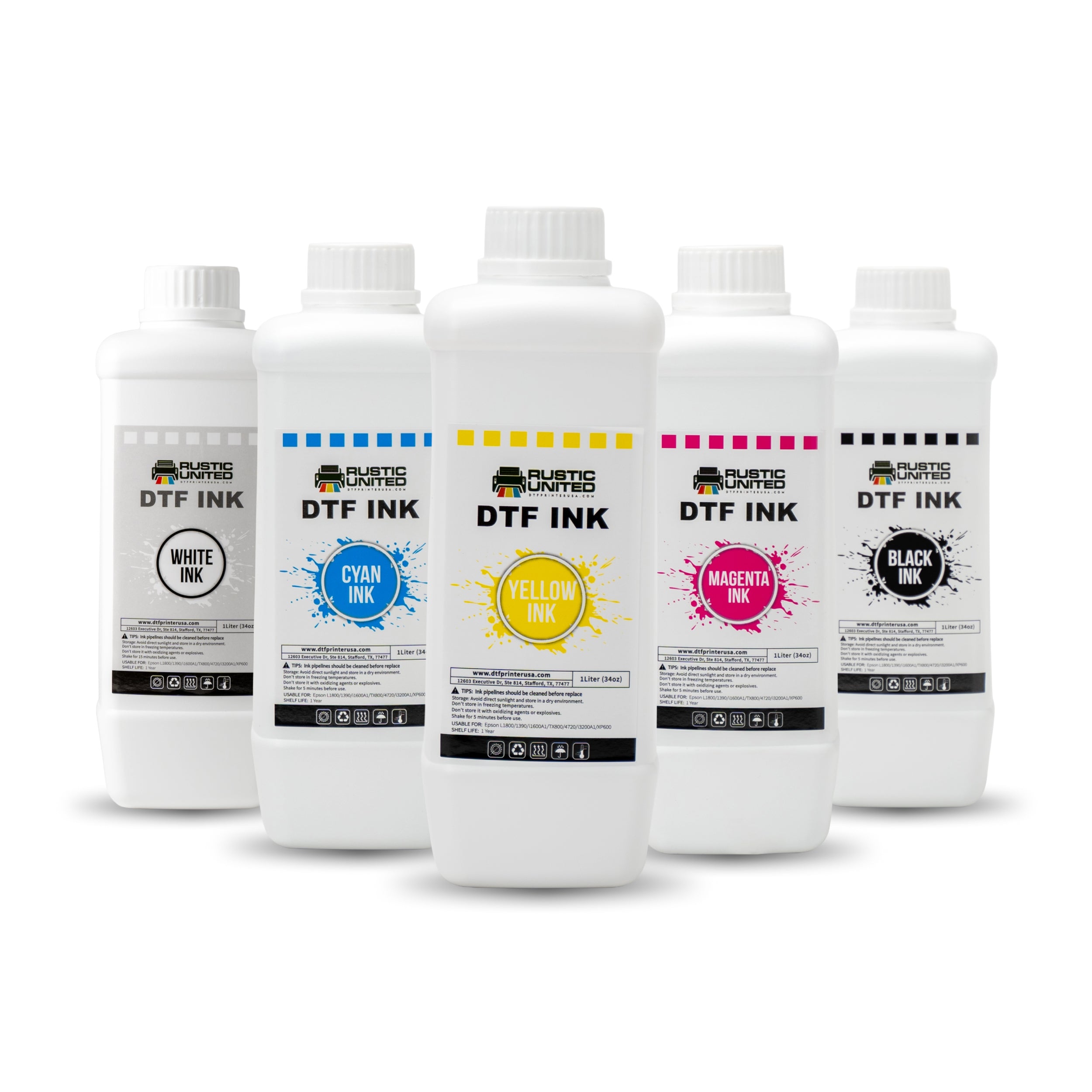
The full rack in a single carton, a liter each of White, Cyan, Magenta, Yellow and Black. This is also what a starter pack is built around when a new Beaumont press needs everything at once rather than piece by piece.
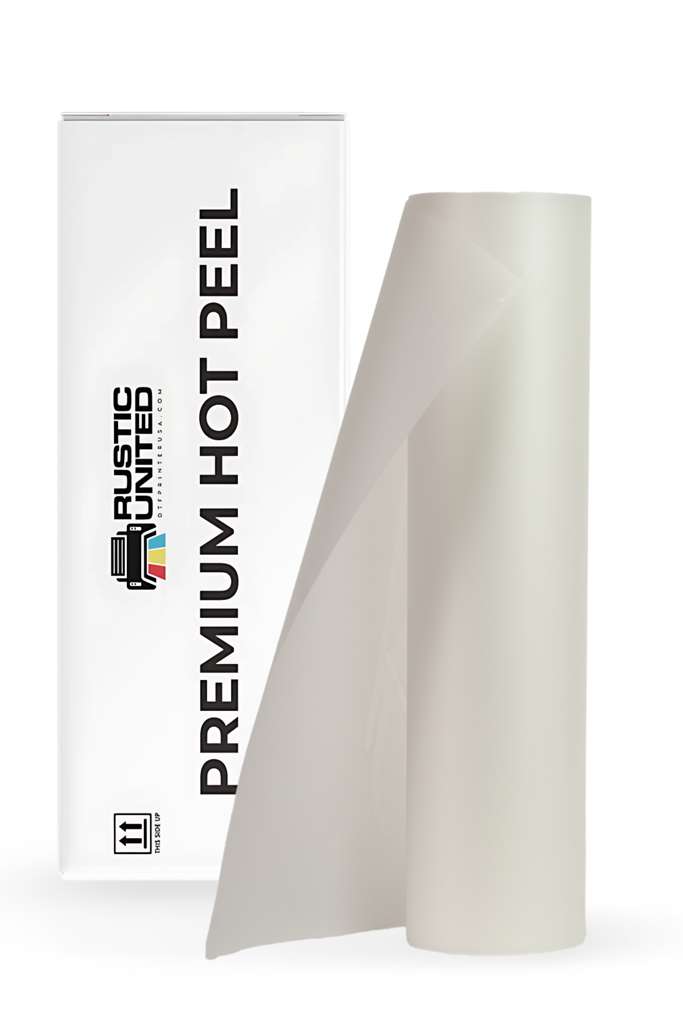
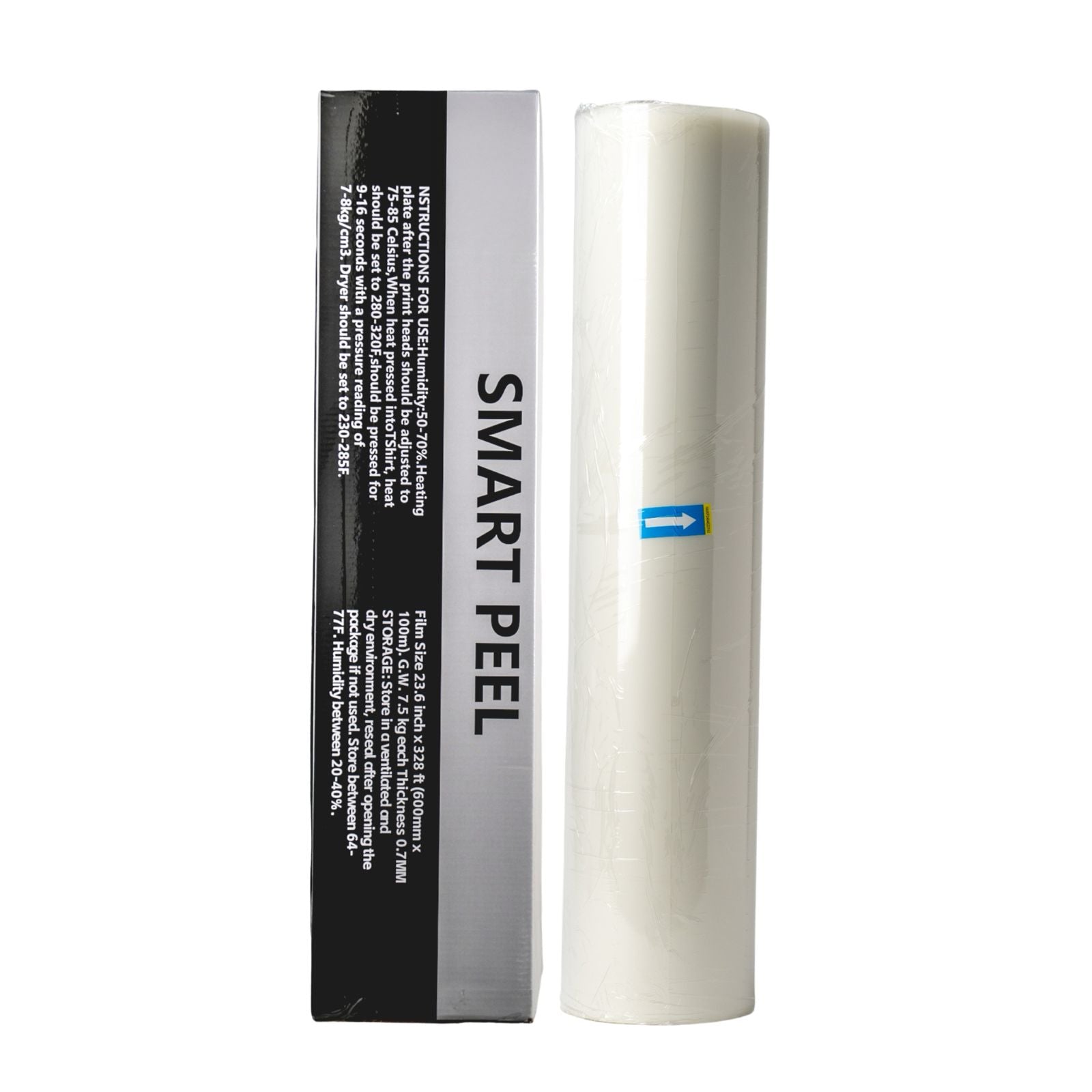
Twenty-four inches wide and 328 feet long, easy-going about when you peel it and even from end to end. The roll that handles a plant order on Monday and a school run on Thursday without changing anything.
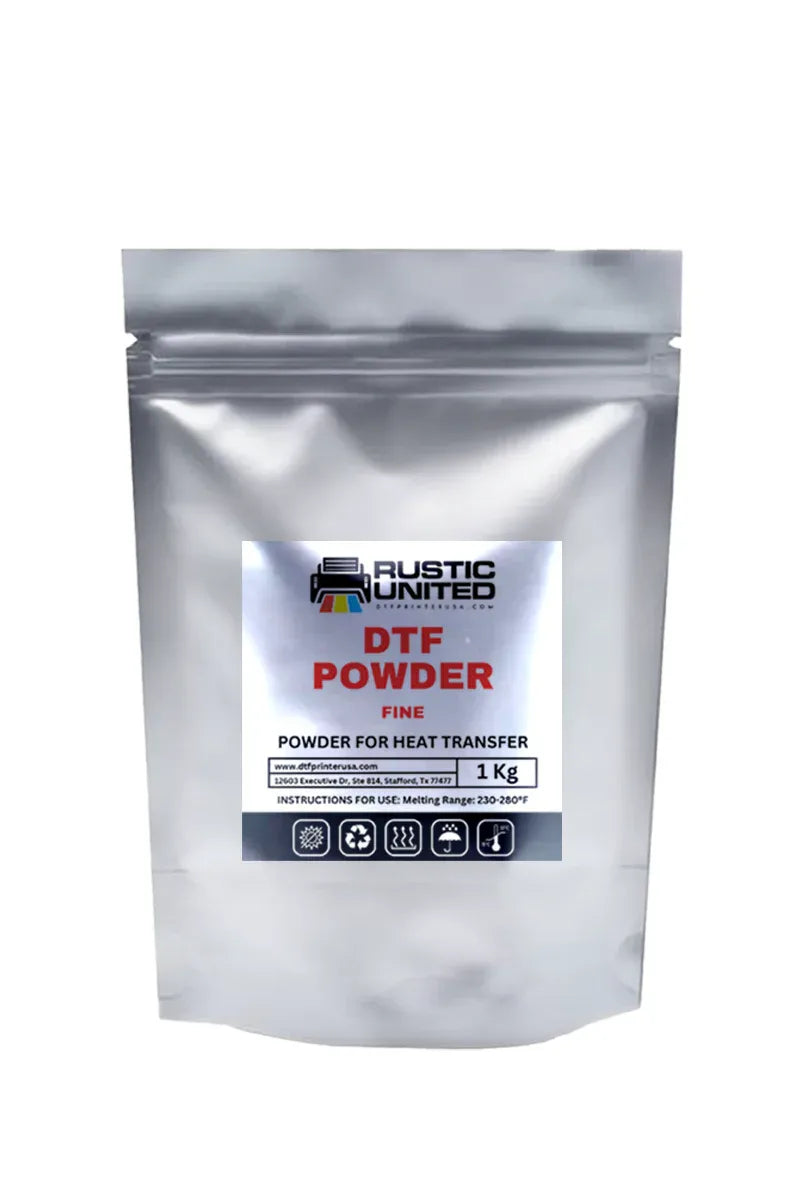
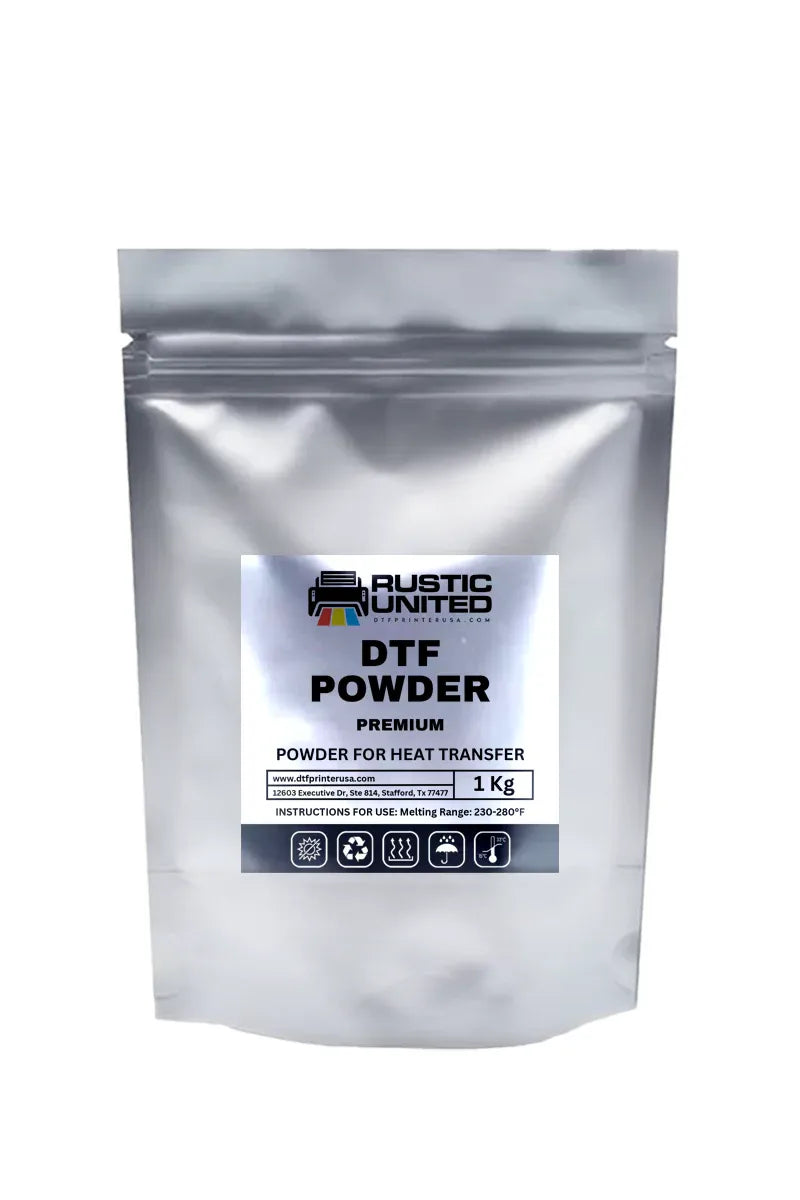
Both grades, sold by the kilogram. Fine keeps thin lettering intact on light cotton; premium is what heavy work polos, jackets and gear bags need to survive industrial laundering rather than a home wash.
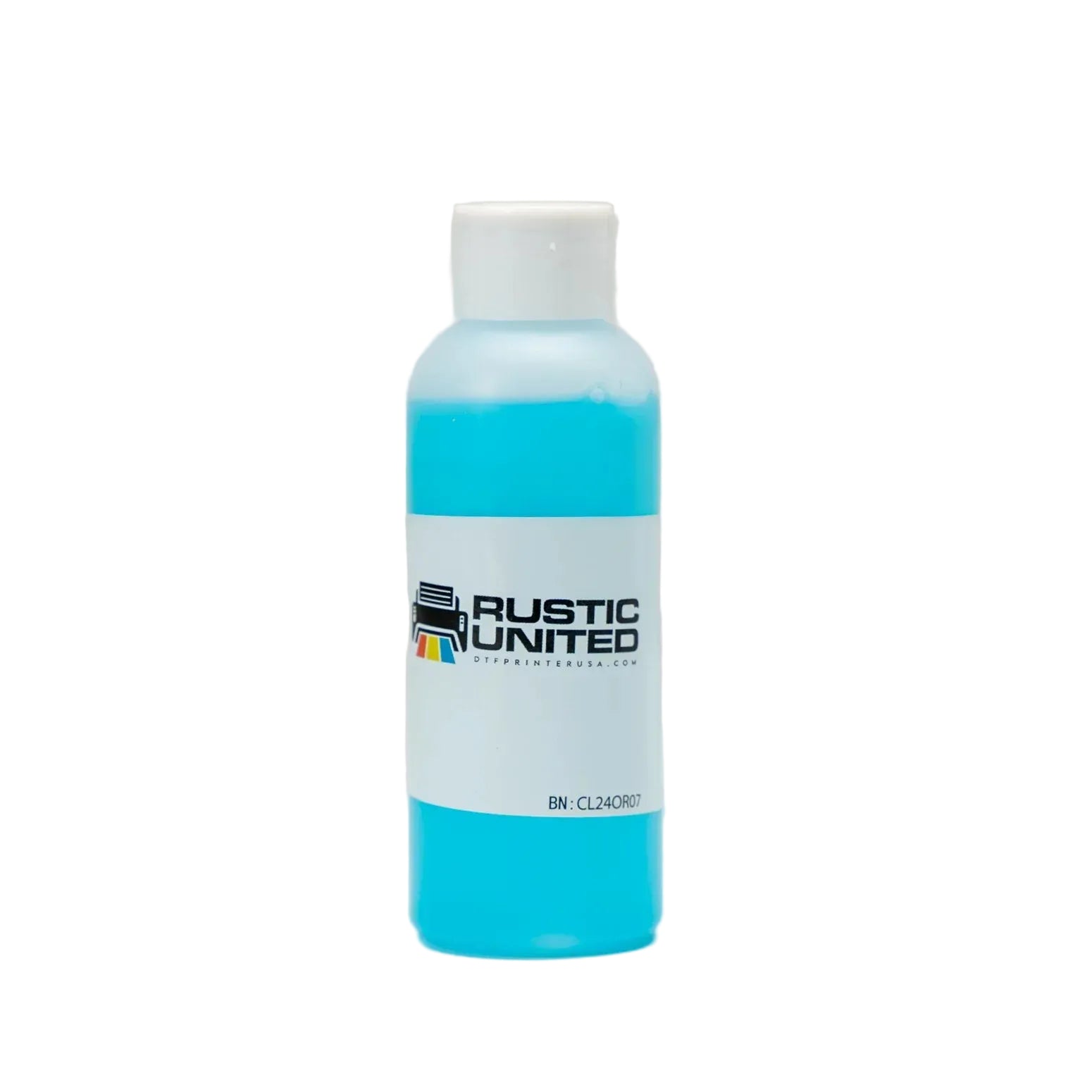
One hundred milliliters of printhead cleaner. In a climate this humid it earns its place quickly, because a head left uncleaned overnight is where most restart problems begin.
Buy the single color you have run down, or take all five as the foundation of a starter pack. One OEKO-TEX certified formula across the range, built to resist nozzle clogging on Epson i3200 and i1600 heads.
DTF white ink is both the fastest-emptying bottle on the rack and the one most affected by how a shop is run. Its pigment settles harder than any color, and in a climate like this a press that sits over a damp weekend comes back needing more than a token shake. Agitate white thoroughly before every run rather than every few, keep a spare bottle behind the one in use, and a Beaumont bench avoids most of the inconsistency other shops chase.
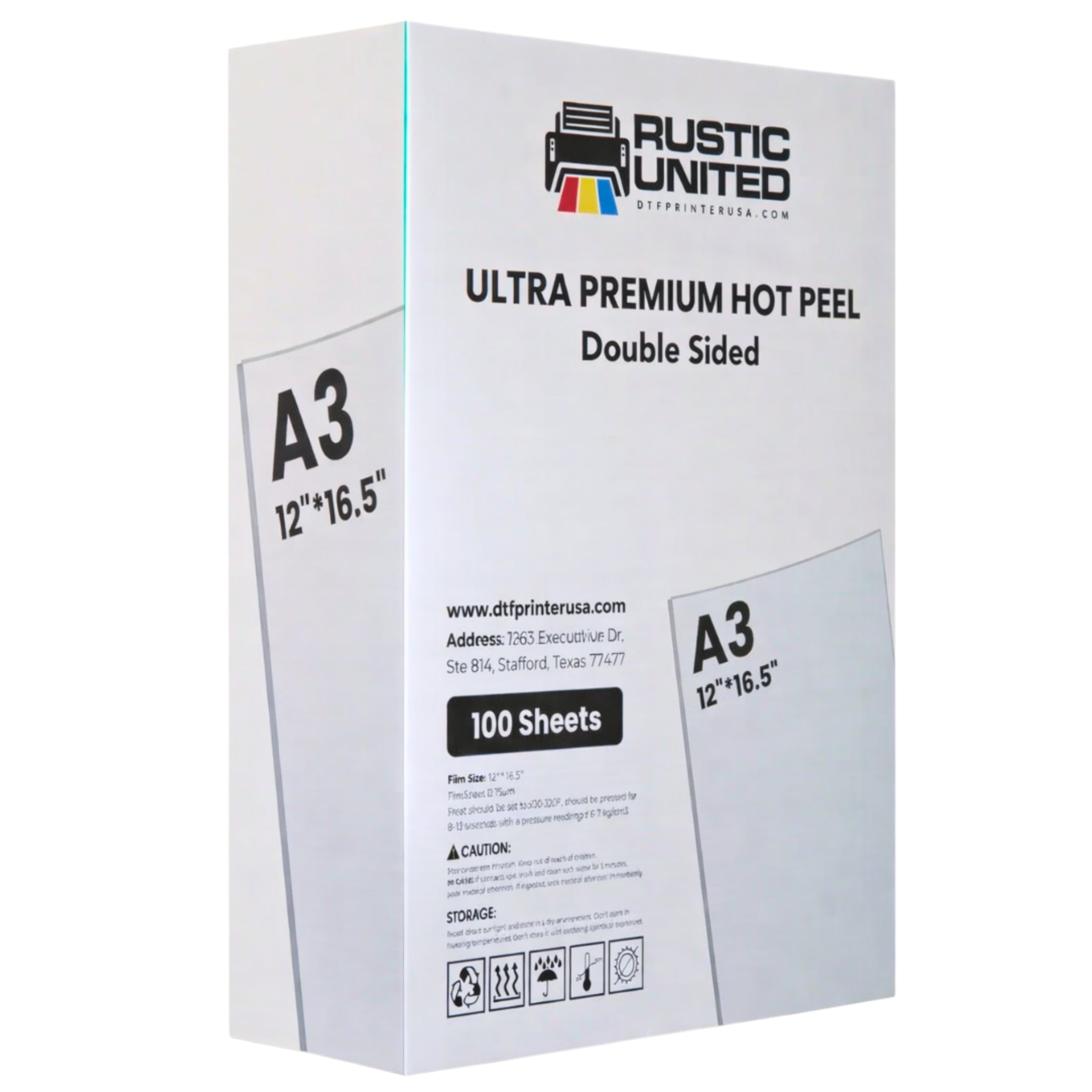
Open a category to see the full list with live pricing. Films in every width, both powder grades, A3 sheet packs, printhead fluids and packaging, all physically in Stafford and cleared to leave for Beaumont on the same working day.
Choose a category to expand
DTF Transfer Film
Instant Peel
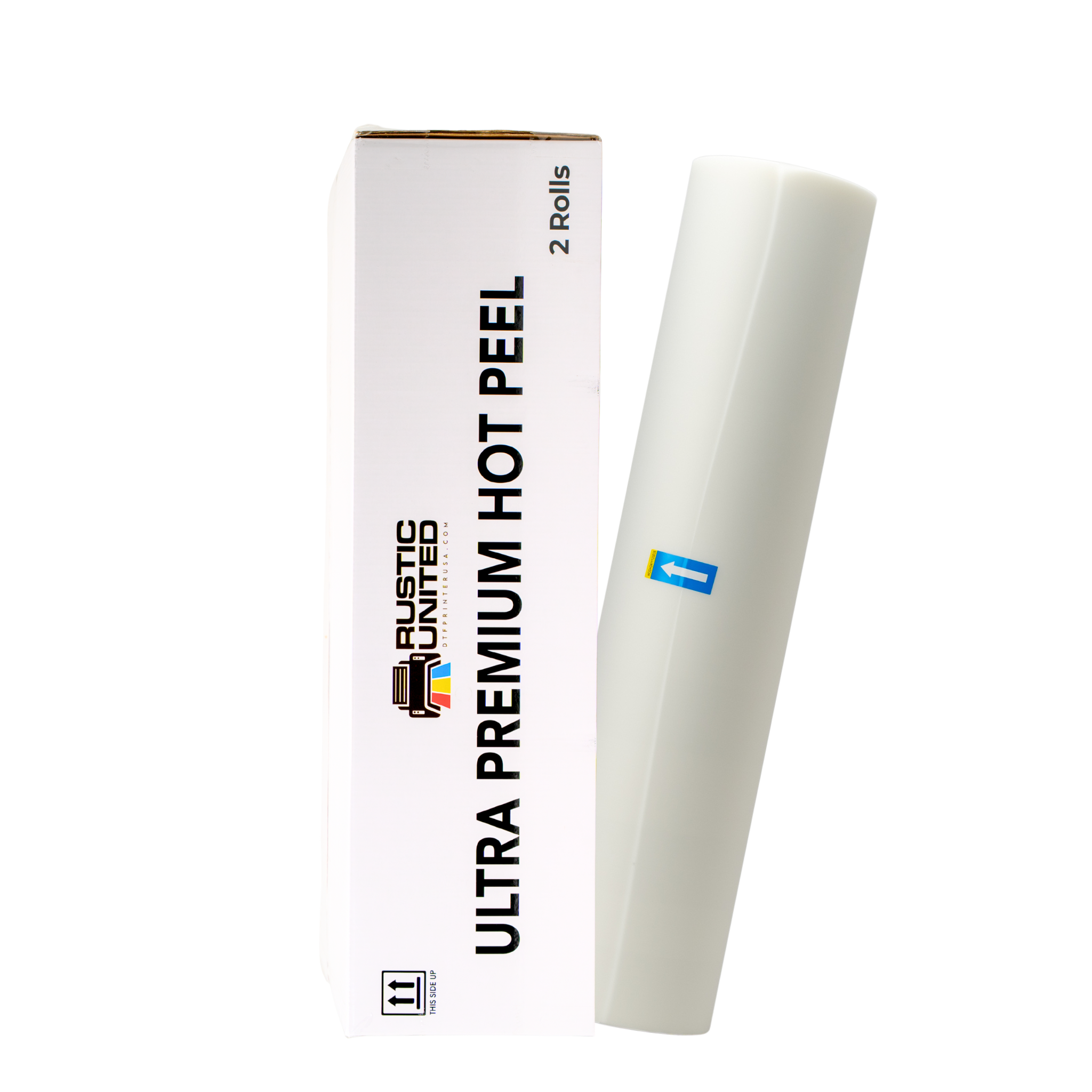
Premium Hot Peel Film
$69.55
A 24 inch by 328 ft roll happy to be peeled warm or cold. The workhorse of the range and the roll most Beaumont shops leave on the machine.
A 24 inch by 328 ft roll lifted only after the sheet is fully cold. The film for fine line work and for prints that must not feel raised under the hand.
DTF powder is the adhesive layer that turns a printed sheet into a permanent garment print, and no single grade suits every job a Beaumont bench takes on. Fine grain keeps thin lettering readable on light cotton. Premium drives a harder bond into work polos and gear that goes through commercial laundering rather than a home machine. Carrying both costs little and means neither customer gets the wrong answer.
Best Seller
Premium
$16.55
The bond work polos, jackets and heavy gear actually need.
Fine
$15.55
Fine grain protecting thin lettering and detail on cotton.
DTF transfer film, sold by some suppliers as DTF paper, is the carrier your design prints onto before the press drives it into the fabric. Shops setting up for the first time often buy one roll and assume it covers everything; in practice two will serve you far better than one. Here is what separates the three we stock.
Best for high volume
Premium Double Hot Peel
Listed by some sellers as instant peel. Undemanding about timing, which makes it the right first roll for a new setup.
Print speed is lightning fast, which helps me meet tight deadlines without compromising quality. The cold peel option makes the process smoother and reduces the risk of damaging prints, and the quality captures even the finest details. Everything has been incredibly reliable.
Oguz B
Best DTF supplies I have used, and the customer service matches. I have not needed to look anywhere else.
Erdi
Best supplies and the best customer service. Everything I have ordered has arrived as described.
Arif Y.
Why Beaumont Shops Order Here
The Right Grade, Not Just Any Grade.
Beaumont print shops, contractor and industrial suppliers, and Jefferson County decorators handle a genuinely mixed order book. A supplier that stocks one film and one powder forces you to compromise on half of it, which is why we carry the full range and would rather talk through a job than sell you the nearest thing.
Same-Day Shipping
Clear the daily cutoff and the box is packed and gone that afternoon, heading east with tracking already in your inbox. Nothing waits to fill a truck, and nothing routes through a depot that decides its own priorities.
OEKO-TEX Certified Ink
OEKO-TEX certified, meaning the ink is tested safe in contact with skin once the transfer is pressed. On the machine that translates into dense pigment, genuine white coverage, and flow characteristics matched to i3200 and i1600 heads.
Production-Ready Stock
Everything listed is inventory we hold ourselves. That is what makes stocking both powder grades and four films worthwhile rather than theoretical, because the option only helps if it is on a shelf when you need it.
Fast Local Delivery
The run from Stafford east to Beaumont is straightforward and the timing holds week to week, so a restock can be planned rather than guessed at. Setting up a new machine or unsure what a job needs? Call us and we will work it through.
The Cost of the Wrong Consumable
One Roll and One Powder Is Not a Setup.
Shops that buy the cheapest single film and the cheapest single powder end up quietly turning work away, or worse, taking it and delivering something the customer is disappointed by. Carrying both powder grades and a second film costs very little against the value of one job you would otherwise have declined, and it is the difference between choosing a consumable and settling for one.
Same Day
Shipping
Ordered before the cutoff and shipped the same afternoon, so widening your range never means waiting on it.
Local
Stafford Warehouse
One Stafford, TX warehouse carrying every grade and width, which is what makes having options real.
1 Call
To a Texas Team
New machine to set up, or unsure which powder a garment wants? A US-based team will talk it through the same day.
A One-Product Supplier
One film forced to cover jobs it was never right for
Fine detail lost because only coarse powder was on hand
Work turned away for want of a second roll run
Guessing at quantities when setting up a new printer
A customer disappointed by a compromise they never saw
VS
DTF Printer USA, The Full Range on One Shelf
Same-day dispatch on every item we list
Both powder grades and four films held in stock
OEKO-TEX certified ink across all five colors
A US-based team who will match stock to your work
Starter packs sized to a new printer, no minimums
Printing in Beaumont
Where the Texas Oil CenturyStarted.
In January 1901 a well on a salt dome just south of town came in at Spindletop and changed the state permanently. Beaumont went from a lumber and rice town to the front end of the American oil industry inside a year, and the Gladys City boomtown museum still marks the spot. What that century built is a city with two distinct halves for anyone printing apparel. On one side sits heavy industry: refineries, petrochemical plants, the Port of Beaumont, and the contractors who serve all of it. On the other sits an ordinary and rather large city, with Lamar University, a downtown theater district, botanical gardens and a full civic calendar. A shop here is asked for work polos on Monday and a school run on Thursday, and the consumables those two jobs want are not the same. Orders leave our Stafford warehouse the same day and run east into Jefferson County.
Plants, Port & Contractors
The refineries, the petrochemical corridor and the Port of Beaumont support a deep layer of contractors, and their apparel is bought to be worn hard: work polos, crew shirts, jackets and gear bags that go through commercial laundering. Premium powder and a durable film pairing are what keep those prints alive past the first month.
Lamar, Schools & Civic Work
The other half of the order book is ordinary city work: Lamar University groups, schools, churches, restaurants, festivals and the theater and museum calendar downtown. Lighter garments, finer artwork, shorter runs and quicker turnarounds, which points at fine powder and a cold peel film rather than the industrial pairing.
Across the Golden Triangle
As the largest city of the Golden Triangle, Beaumont draws work from Port Arthur, Orange, Nederland, Vidor and Lumberton, which widens the mix rather than narrowing it. Same-day dispatch from Stafford is what makes serving that whole spread practical.
Serving Beaumont & Jefferson County
DTF Printer USA keeps Beaumont and the wider Jefferson County area supplied with ink, film, powder, cut sheets, printhead care and packaging. From the Spindletop-Gladys City museum and the downtown theater district out through Port Arthur, Orange, Nederland, Vidor and Lumberton, a Beaumont print shop, apparel brand or decorator is buying from a Texas shelf rather than waiting on an import.
Local Delivery Area
Same-day dispatch and a direct eastward run into Beaumont and the Golden Triangle towns around it. The same Stafford inventory ships anywhere in the US.
Three things worth understanding in an industrial city: where DTF genuinely cannot go, what a new printer actually needs on day one, and how to tell an under-cured print from an over-cured one.
What You Cannot Press Onto FR Workwear
This is the question that catches out shops in a refinery town, and getting it wrong is worse than losing the job. Flame-resistant garments are certified as complete assemblies, meaning the fabric, the thread, the trims and any applied marking are tested together. Pressing a standard heat transfer onto an FR-rated shirt is not covered by that certification, and the adhesive and film themselves are not flame resistant, so the garment can no longer be relied on to perform as rated. A customer wearing it into a plant is exposed to a risk they do not know about, and the shop that applied the transfer is squarely in the middle of it. None of this means turning contractor work away, it means splitting it correctly. Anything genuinely worn on site as protective clothing should go to a supplier who applies FR-certified emblems and marking designed for that use, and the customer should be told plainly why rather than left to assume you are being awkward. Everything else in a contractor order is fair game and usually accounts for most of the volume: safety-meeting giveaways, family day shirts, office and admin polos, event and anniversary pieces, hats, bags and merchandise that never enters a hot work area. Ask one question before you quote, which is whether the garment is worn on site as protective clothing, and the answer tells you which pile the job belongs in. Customers in this industry are generally well aware of FR rules and tend to respect a printer who raises it first.
What a New Printer Actually Needs First
The most common mistake when a new printer arrives is ordering exactly what the machine needs to switch on and nothing else, which leaves you buying in a panic a fortnight later. A sensible first order covers three things: enough to run, enough to test, and enough to not stop. Ink is the easy part, and the five-color batch is the right shape for it, but the ratio matters more than the total. White empties several times faster than any color, so a second white bottle alongside the batch is not over-buying, it is matching how the machine actually consumes. Film is where new setups most often go wrong, usually by committing to a single roll of the cheapest option before knowing what they will print. A better first purchase is one roll of premium hot peel in your printer width, plus a pack of A3 cut sheets for testing, since sheets let you dial in settings without unspooling meters of roll you cannot put back. Powder should be a kilogram of each grade rather than two of one, because the first month is when you discover which garments your customers actually bring you. Add cleaning solution and moisturizing fluid, both of which get forgotten until the head is already blocked. Then set aside a genuine test session before your first paying job: press a piece on each garment type you expect, wash it, and write down the settings that worked. A starter pack sized this way costs a little more up front and saves a fortnight of stopping and restarting. Tell our team the machine model and the garments you expect and we will size it rather than guessing.
Under-Cured, Over-Cured, and How to Tell
Curing is the stage most shops treat as a fixed number and it is where a surprising share of failures actually originate, because both directions of error look acceptable at the moment they happen. The powder has to melt fully into a smooth, slightly glossy layer that bonds evenly to the printed ink. Under-cure it and the powder has softened but not properly fused, which the finished transfer hides completely until the garment comes back from a few washes with the print lifting at the edges or flaking across solid areas. Over-cure it and the adhesive starts to scorch, the film can distort, and the print goes hard and brittle so it cracks rather than flexing with the fabric. Reading it is easier than most people expect once you know what to look for. A correctly cured sheet has an even semi-gloss finish across the whole design with no dry powdery patches, and it should feel smooth rather than grainy when cool. Dull, matte, sandy-looking areas mean under-cure. Yellowing at the edges, a curled sheet or a noticeably stiff finished print means over-cure. Two practical points. If you cure with a heat press hovering rather than a proper oven or shaker dryer, watch for uneven results across large designs, since the center and the edges rarely reach the same temperature. And whenever you change powder grade, film or garment type, run a wash test on one piece rather than assuming the settings carried over, because the cure that suits a fine powder on cotton is not always right for premium powder on a heavy work polo.
DTF Supplies FAQ
Beaumont DTF Supply Questions, Answered.
What Beaumont shops and Jefferson County decorators most often want answered before a supply order goes in.
DTF Supplies in Beaumont
DTF supplies in Beaumont are the consumables a direct-to-film press depends on: DTF ink in white plus cyan, magenta, yellow and black, transfer film in rolls or A3 sheets, adhesive powder in fine and premium grades, and printhead cleaning and moisturizing fluid. DTF Printer USA keeps the full range at one Stafford, Texas warehouse and ships the same day east to Jefferson County.
Keep ink bottles sealed in a cool, dry spot out of direct sun, and agitate white before every run because its pigment settles fastest. Powder is the one that suffers most in Beaumont, where humid air will clump an open bag within weeks, so decant a working amount into a sealed tub and keep the rest closed. Handled that way the ink holds its full 12-month shelf life and the powder keeps flowing evenly through a shaker.
Stock, Rolls & Ordering
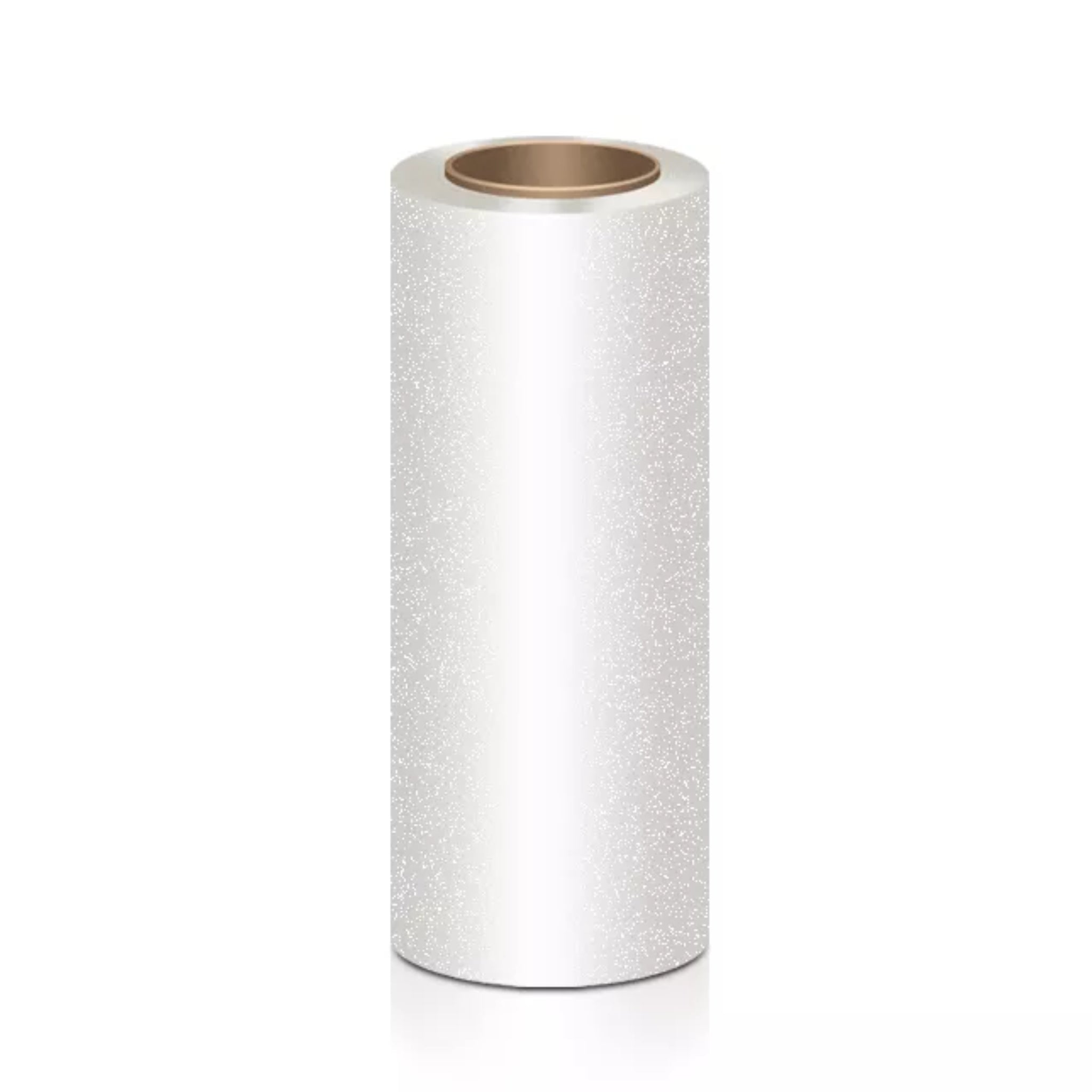
Yes. Beaumont customers can order full rolls packaged two to a box across the range: premium double hot peel, ultra premium hot peel, double matte smart peel for cold peeling, and glitter. Bigger rolls mean fewer reloads on a long run, and A3 cut sheets are stocked for jobs too small to justify one. Our team can confirm which width matches your printer before you order.
Yes. White is the most heavily consumed color anywhere and we hold it deep for Beaumont and the wider Jefferson County area, both in 1-liter bottles and as part of the five-color batch set. It is formulated to resist clogging in i3200 and i1600 heads and leaves our Stafford warehouse the same day, so a Beaumont press is not sitting idle waiting on an underbase.
Order ink at the volume tier and put film and powder on the same shipment, which captures the ink discount and spreads a single delivery cost across the whole restock. For a Beaumont shop running steady industrial and civic work, our team can also plan a resupply schedule around your actual production volume rather than leaving you to reorder in a hurry.
Setup, Workwear & Matching
Yes. We can put together a starter pack of ink in white plus CMYK, film in the width your machine takes, and powder in the grade that suits your work, sized so a new printer has everything it needs to start producing. Tell our team the model and the kind of garments you expect to print and we will size the quantities rather than guessing at them.
No, not without consequences. Applying a heat transfer to an FR-rated garment is not covered by the garment certification, and doing it can void the rating that makes the garment compliant in the first place. Beaumont shops asked for contractor apparel should keep FR work separate and route it to a supplier who applies FR-certified marking, and use standard blanks for the promotional and off-site pieces DTF handles well.
It depends on three things: the printer you run, the garments you print most, and the finish your customers expect. Hot peel films favor speed through volume, cold peel protects fine detail, fine powder suits light cotton and premium suits heavier blanks. Tell our team your machine and the work you take on and we will match the consumables rather than sell you one of everything.
Choosing a selection results in a full page refresh.