Most of what a Liberty bench prints comes back the following year, which makes buying the same consumables from the same shelf worth more than shaving a dollar off a bottle. Beat the daily cutoff and the box leaves our Texas warehouse the same afternoon. Ink, film, powder and cleaner, consistent order to order, every item formulated for Epson i3200 and i1600 heads.
Responsive SupportPhone & email, replies in 1 hr usually
The Repeat Order Essentials
The Four You Will ReorderYear After Year.
These four make up the bulk of what any Liberty press consumes, and all of them are held in Stafford ready to travel out to Liberty, Dayton, Hardin, Ames and Cleveland. Every film width, both powder grades, sheet packs and printhead fluids appear in the catalog below.
Best Value
1 LT Batch DTF Ink
$110
Best for: full color setup and refills
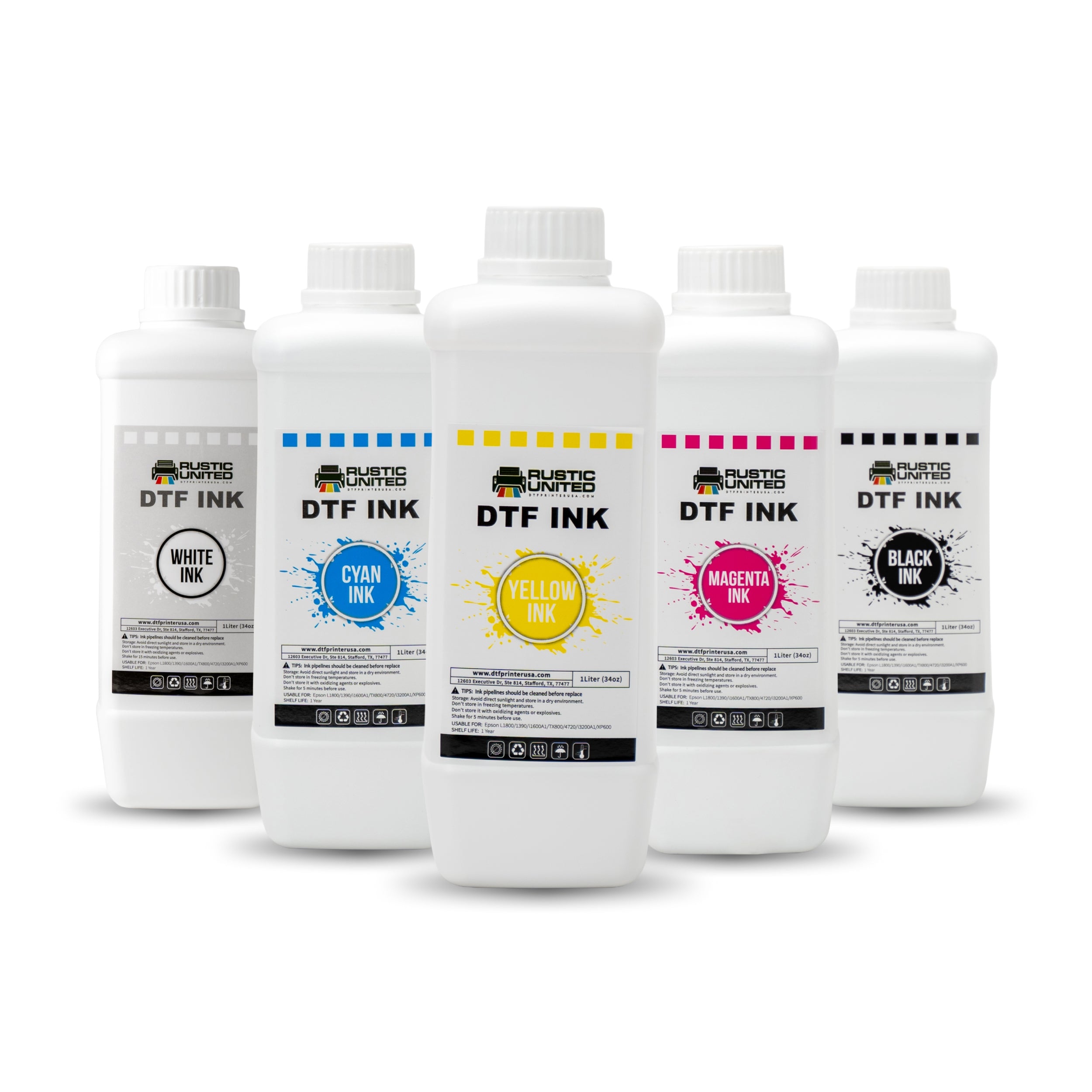
A full set in a single carton, one liter each of White, Cyan, Magenta, Yellow and Black. Buying all five together keeps the colors matched across a year of repeat work, and every bottle is OEKO-TEX certified.
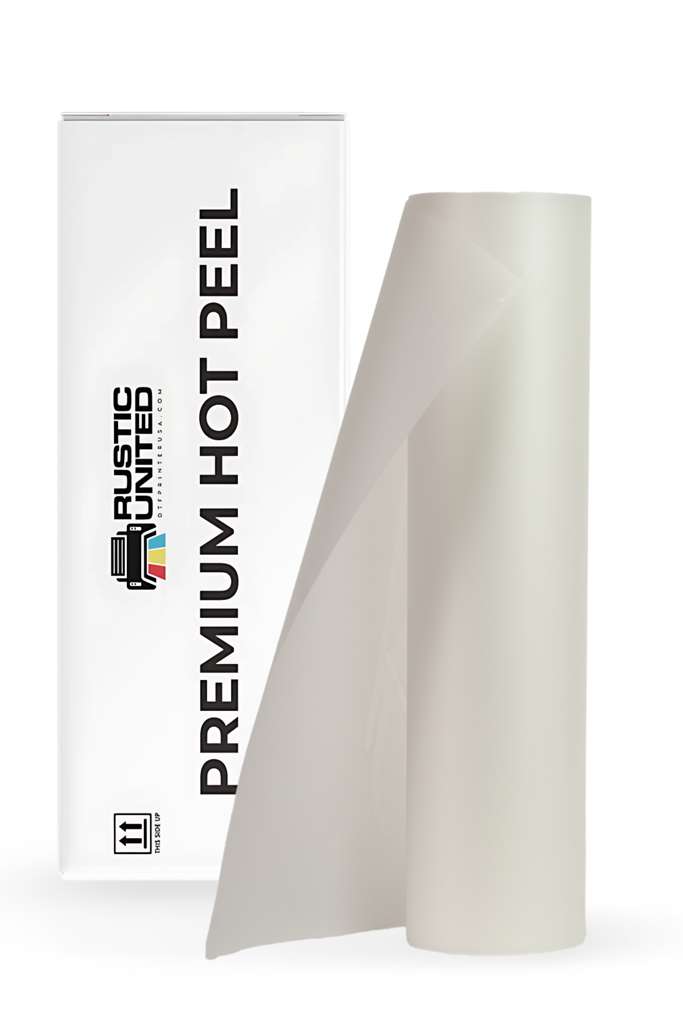
A 24 inch roll holding 328 feet, sized so an annual department order or an Exposition run clears in one pass. Even release from end to end and edges that hold their shape.
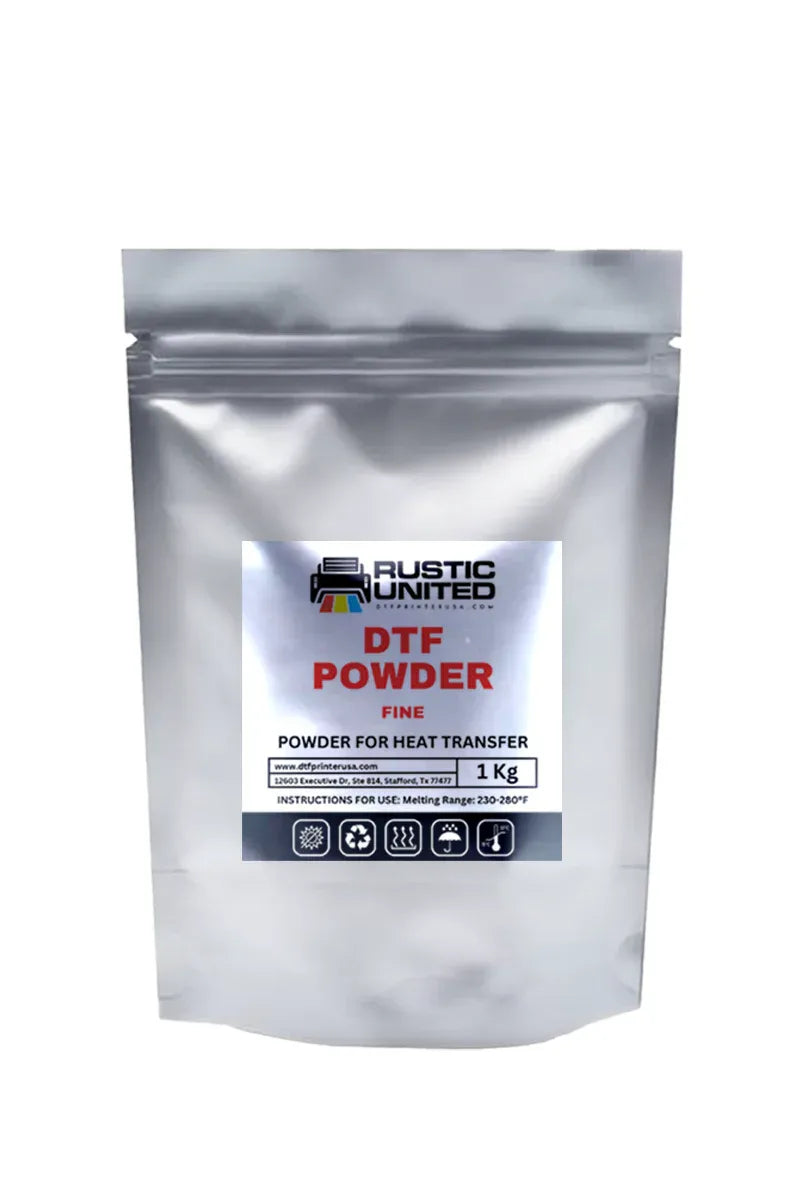
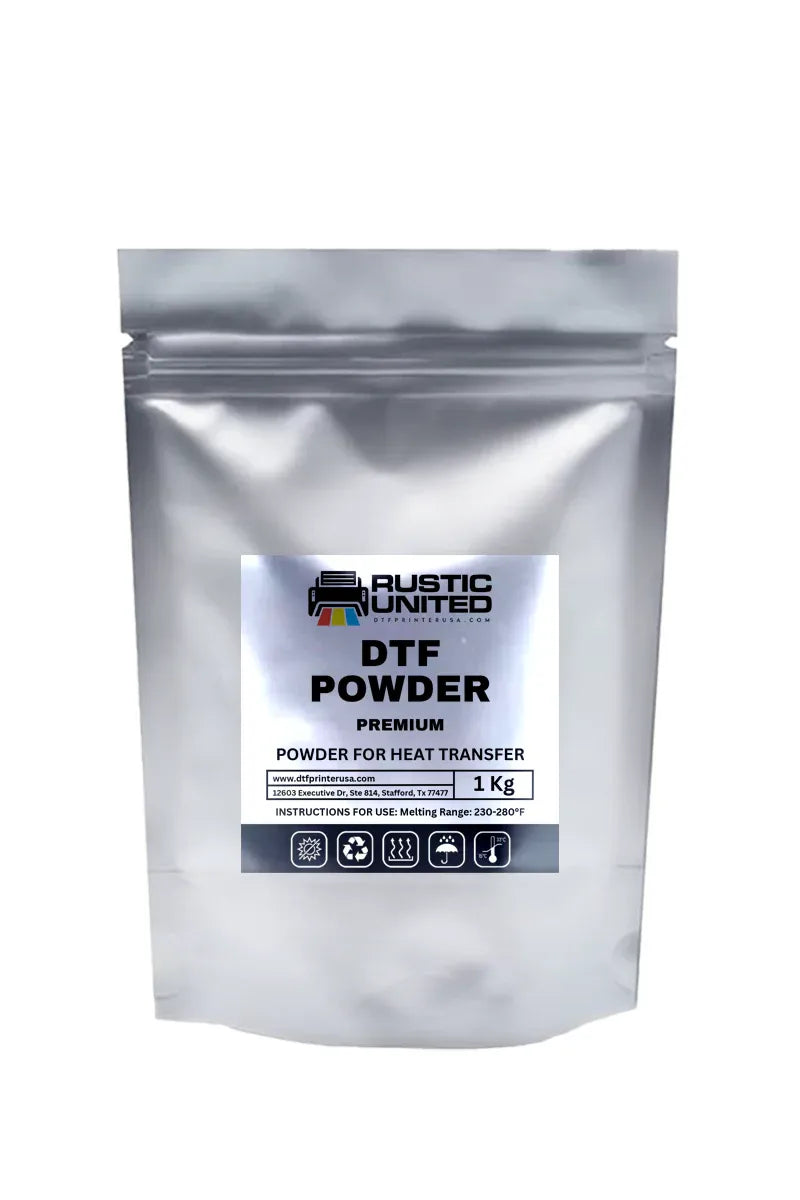
Two grades, priced by the kilogram. Fine protects the crest and seal detail civic work is full of; premium is the grade for polos, fleece and duty apparel expected to survive years of laundering.
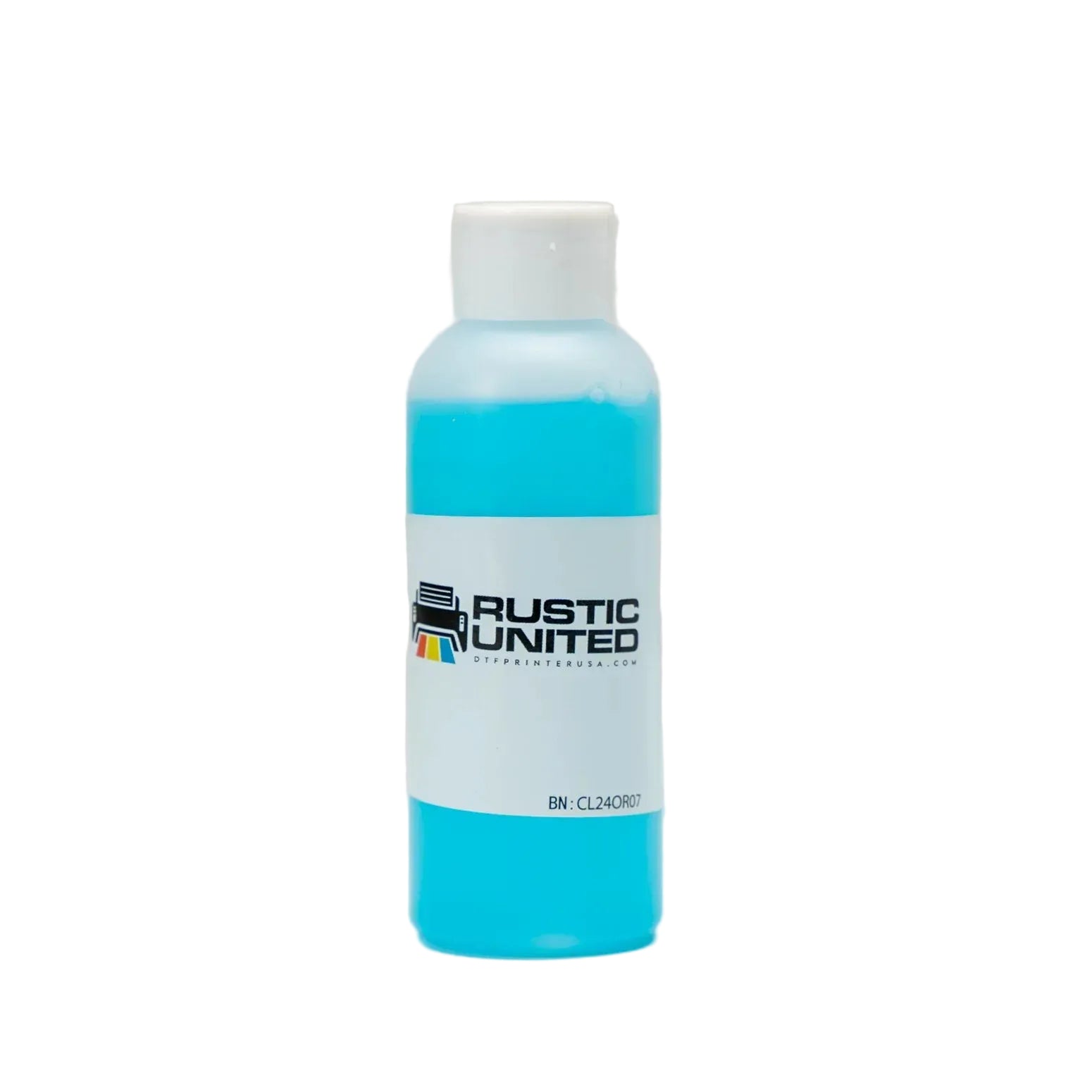
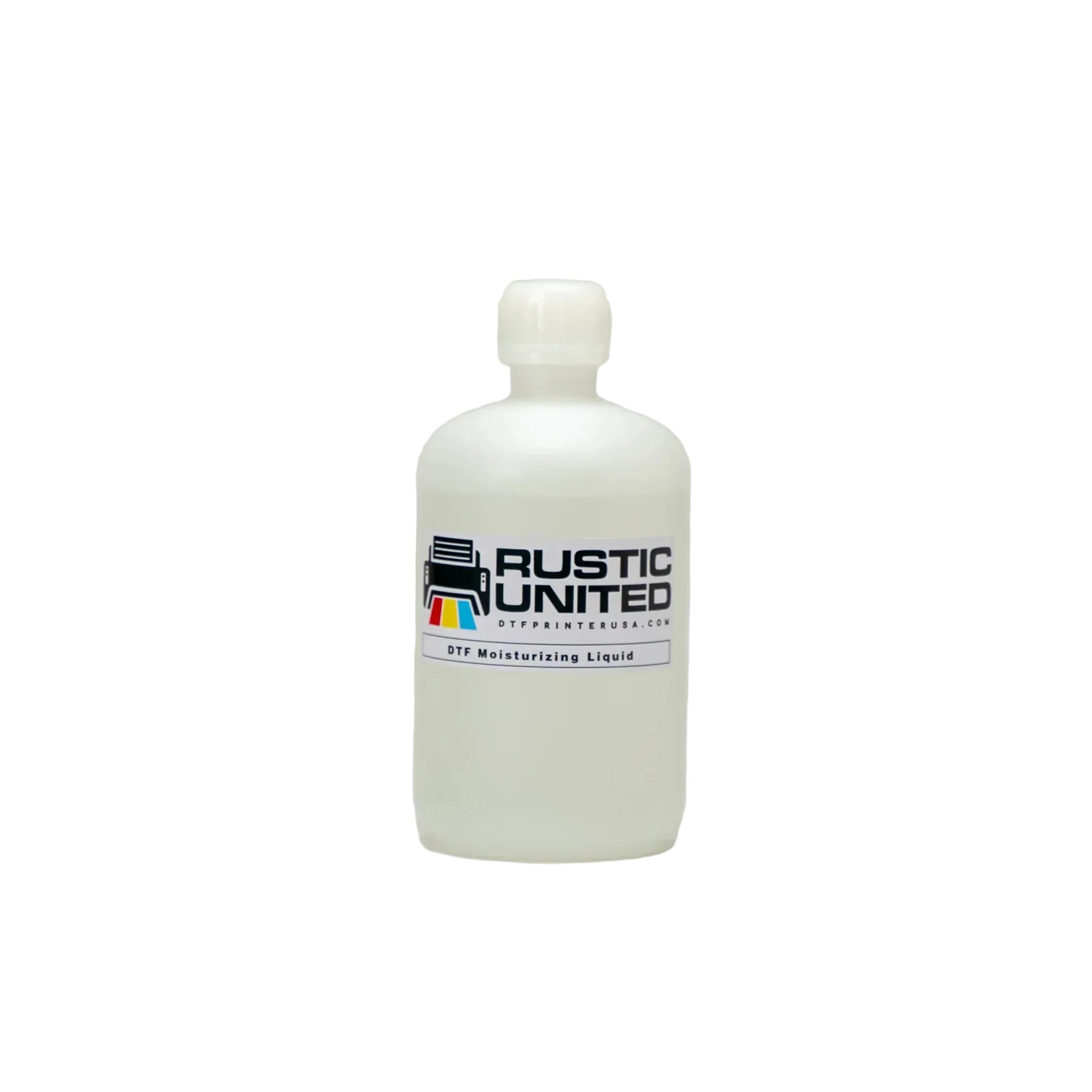
A 100 ml bottle of cleaner for keeping nozzles open. Especially worth having where a press sits between seasonal jobs, since a head left uncleaned is the usual reason a restart goes badly.
Replace a single bottle or refill the rack in one go. What matters for repeat work is that the formula does not change between orders, and it does not: one OEKO-TEX certified specification, built for Epson i3200 and i1600 printheads.
DTF white ink sits under every design as the underbase, so it empties first and it sets how dense the finished print looks. That matters more than usual in Liberty, where the same department polo or club shirt gets reprinted each year and garments from the last run are still in circulation to compare against. Buy white in proportion to how fast it actually goes, keep it agitated, and the reorder will read like the original.
Expand a category for the complete list and current pricing. Films in every width we carry, fine and premium powder, A3 sheet packs and maintenance fluids, all held in Stafford and cleared to leave for Liberty the same working day.
Open a category to see the list
DTF Transfer Film
Instant Peel
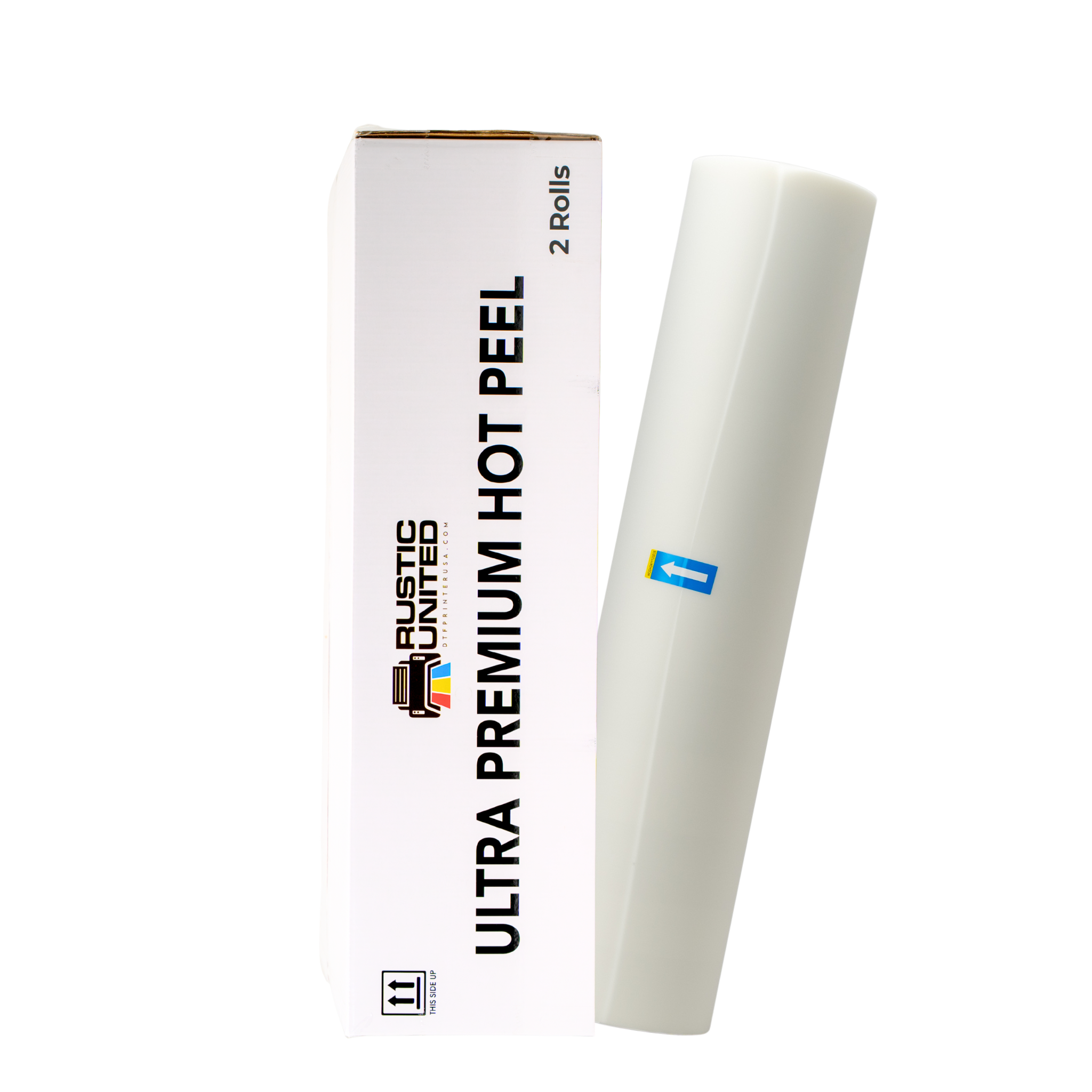
Premium Hot Peel Film
$69.55
A 24 inch by 328 ft roll that peels warm or cold as suits the run. The steady default when the same jobs come round each year and you want no surprises.
The roll most Liberty shops end up standardizing on. A refined hot peel that releases predictably and holds seal and crest detail, in 12, 16.5, and 24 inch widths.
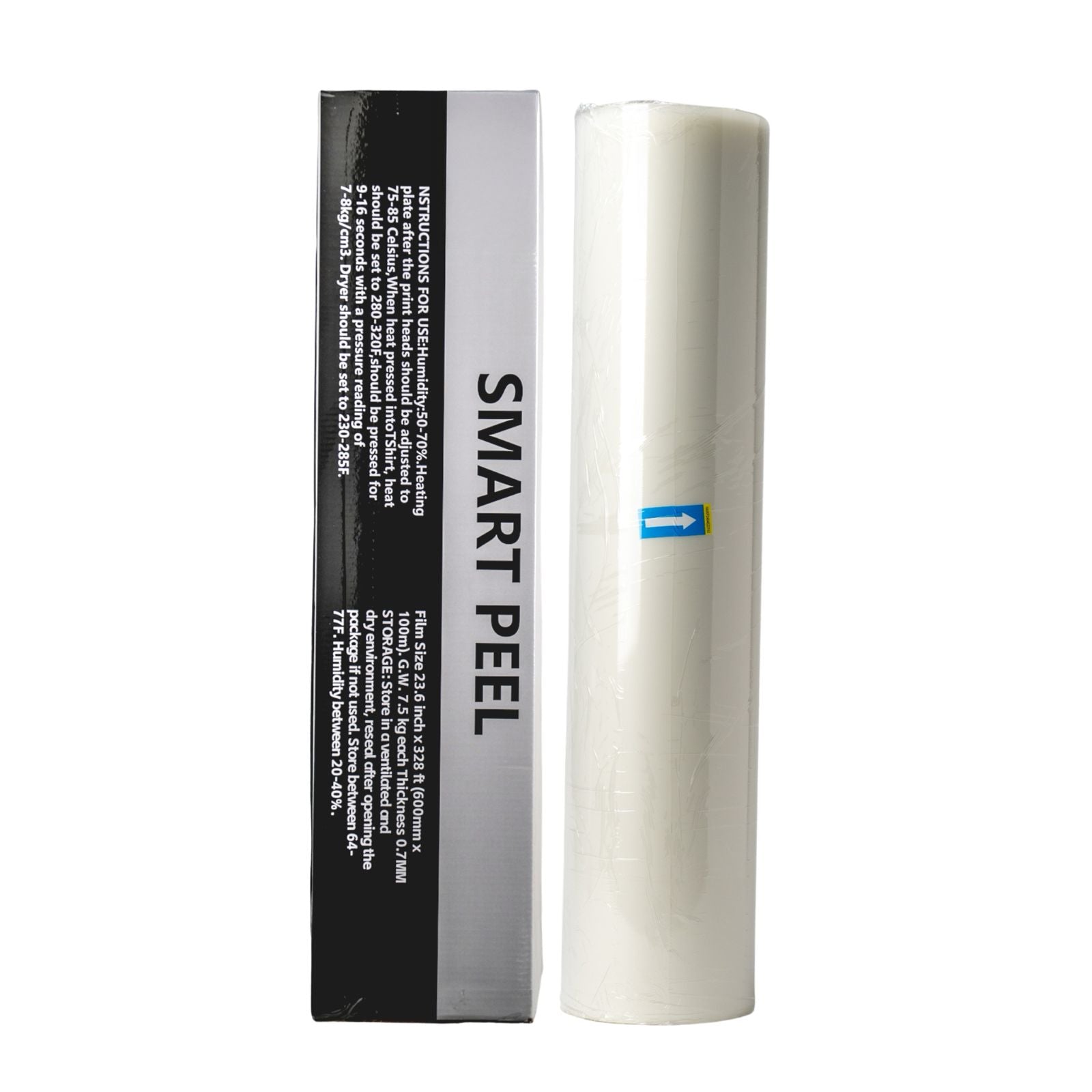
A 24 inch by 328 ft cold peel roll, lifted once fully cooled. The film for department names, small titles and any piece where the print must not feel raised.
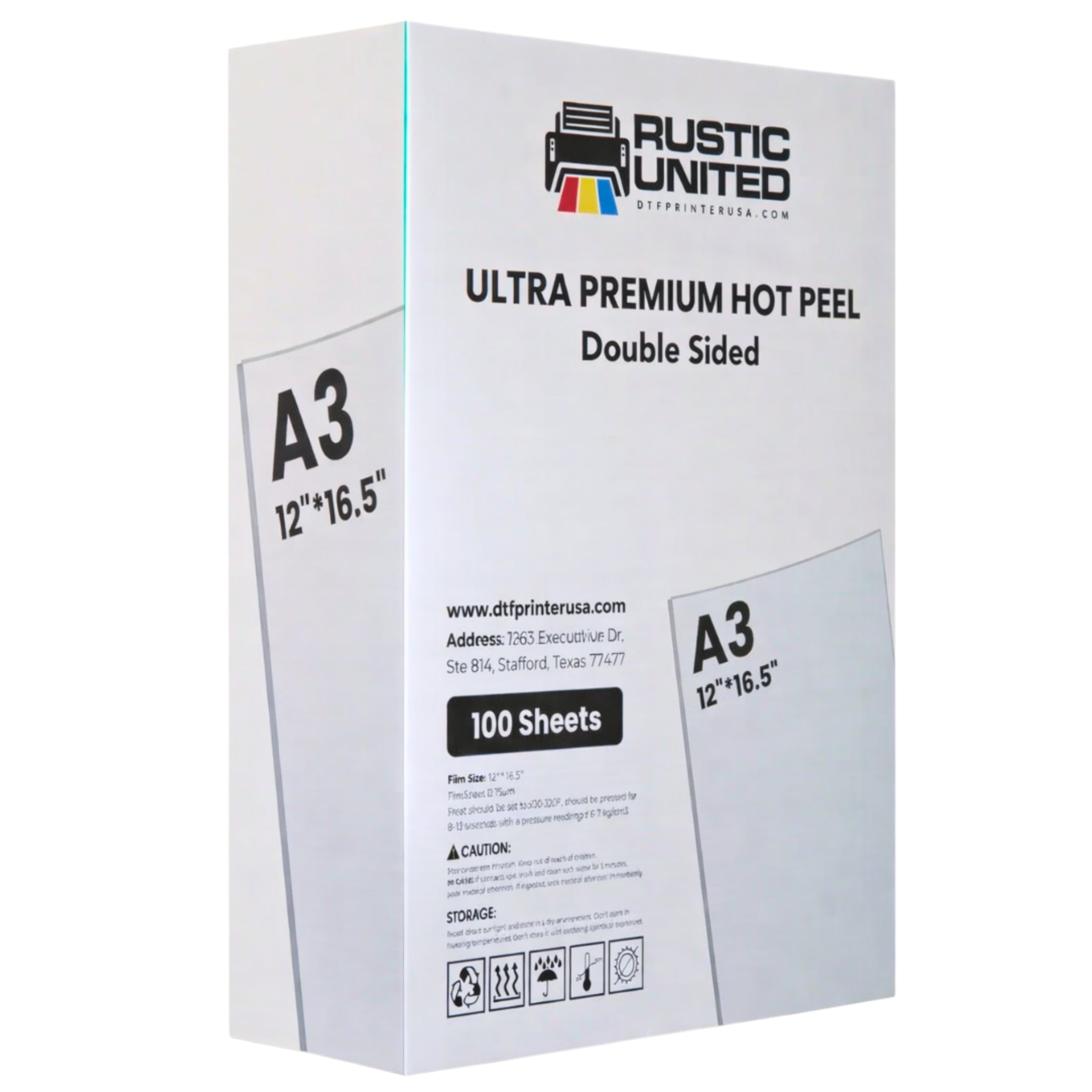
A hundred A3 sheets per pack for the jobs between the annual big runs. The sensible format when opening a roll would leave most of it sitting for months.
A full liter of moisturizing fluid protecting the head through idle periods. Close to essential where printing follows an annual cycle rather than a daily one.
DTF powder is the adhesive that welds your print into the fabric, and it decides how many wash cycles the design survives. That matters when the garment is a department polo somebody wears twice a week for three years rather than a shirt worn to one event. Fine grain protects seal and title detail on lighter cotton; premium anchors the bond on polos, fleece and duty apparel. Both leave Stafford by the kilogram the day you order.
Best Seller
Premium
$16.55
The bond polos, fleece and long-service uniform apparel actually need.
Fine
$15.55
Fine grain for seals, small titles and detail on lighter cotton.
DTF transfer film, listed by some suppliers as DTF paper, carries your artwork until the press drives it into the garment. A shop doing repeat annual work benefits from settling on one film and staying with it, because changing rolls between runs changes the finish even when nothing else has. Here is how the three we stock compare.
Best for high volume
Premium Double Hot Peel
Some suppliers call it instant peel. Forgiving on timing, which makes it a sound choice as your standing default roll.
They have the best ink, DTF film and powder I have used, and if you need a DTF printer spare part they keep those in stock too.
Mehmet Resat Selli
I have been sourcing my DTF ink, film and powder from them for a long time now. What stands out is that the product quality is exactly the same in every single order. I recommend them without reservation.
Ecenaz
Love this place. The prints come out vibrant and they are very durable, and having a supplier close by makes a real difference.
Emily Eaton
Why Liberty Keeps Reordering
The Same Supplies, The Same Result,Every Year.
Liberty print shops, uniform suppliers and civic decorators are usually reproducing work they have already done. That changes what a supplier is for: the job is not to be cheapest once, it is to deliver the identical specification the second and fifth and tenth time you order it.
Same-Day Shipping
Orders that clear the daily cutoff are packed and gone the same afternoon toward the county seat. Nothing is held back to fill a truck, so a restock timed against a budget cycle or an event date arrives when you planned for it rather than whenever it suits a depot.
OEKO-TEX Certified Ink
OEKO-TEX certification means the ink is verified safe against skin once pressed, which matters for uniforms worn all day. Just as importantly for repeat work, the formula does not drift between production batches, so a run printed in October matches one printed in March.
Production-Ready Stock
Everything on this page is inventory we hold ourselves. For a Liberty shop that means the film width and powder grade you standardized on last year are still here this year, rather than quietly discontinued in favor of whatever a distributor could source.
Fast Local Delivery
The lane from Stafford into the county is direct and the timing stays consistent, which is what lets you plan a restock rather than react to one. Working to an Exposition date or a department deadline? Call and we will make the timing fit.
What Repeat Work Really Costs
Switching Suppliers Costs More Than It Saves.
Moving to a cheaper supplier looks like a saving until the first reorder comes back looking slightly different. New ink, new film, new powder means retesting press settings, explaining a mismatch to a customer who still owns last year garments, and sometimes reprinting at your own cost. Consistency has a value, and it is usually larger than the discount that tempted you away from it.
Same Day
Shipping
Ordered before the cutoff and gone the same afternoon, so a restock planned around a known date actually lands on it.
Local
Stafford Warehouse
One Stafford, TX warehouse and one inventory, so the specification you approved last year is the specification you receive this year.
1 Call
To a Texas Team
Pressing a fleece for the first time, or restarting a press after months idle? A US-based team who work with this stock daily will answer the same day.
Chasing the Cheapest Supplier
Retesting press settings every time a supplier changes
A reorder that does not match the garments already in use
A film or powder quietly discontinued between orders run
Explaining a mismatch to a customer who kept the originals
Reprinting at your own cost to make a run agree
VS
DTF Printer USA, The Same Spec Every Time
Same-day dispatch you can plan a cycle around
A stable range held in one Stafford, TX warehouse
OEKO-TEX certified ink that does not drift between batches
A US-based team who know what you ordered last time
No minimums, so a top-up is never wasted stock
Printing in Liberty
Work That Comes Back the Same TimeEvery Year.
Liberty is one of the oldest towns in Texas, laid out on the Trinity River in the early 1830s while the territory was still under Mexican rule, and it has been the seat of its county ever since. That depth shows up in the institutions the town carries: a courthouse square, the Sam Houston Regional Library and Research Center holding regional archives, the Humphreys Cultural Center and the Opry, and the Trinity Valley Exposition, which has been running long enough to be a fixed point in the local year. For a print shop the practical consequence is that most work is repeat work. County departments, emergency services, long-standing clubs, churches and heritage organizations order on budget cycles and event dates that barely move, and they order much the same thing each time. That rewards a very different discipline from chasing new accounts. Orders leave our Stafford warehouse the same day and run east into the county.
County Departments & Civic Orders
As the county seat, Liberty concentrates the kind of orders that arrive on a schedule: department polos, emergency service and volunteer apparel, staff shirts for offices that reorder as people join. These go onto polos, fleece and uniform fabric rather than cotton tees, and they are worn for years, which puts premium powder and a proven press setting ahead of anything else.
Heritage, the Opry & the Exposition
The Trinity Valley Exposition, the Liberty Opry and the archive and cultural institutions around the square all generate apparel with dates and anniversaries printed on it. These runs are modest but exacting, since a heritage crest or a year has to be reproduced correctly. With no minimums, a forty-shirt commemorative run costs the same per unit to supply as four hundred.
Along the Trinity
From the county seat a Liberty shop reaches Dayton, Hardin, Ames, Cleveland and Baytown without much effort, and several of those towns route their institutional work back here. Same-day dispatch from Stafford is what keeps that spread serviceable on the timelines those customers expect.
Serving Liberty & the County Seat Area
DTF Printer USA supplies Liberty and the surrounding county with ink, film, powder, cut sheets and printhead care. From the courthouse square and the Trinity Valley Exposition Grounds out through Dayton, Hardin, Ames, Cleveland and Baytown, a Liberty print shop, uniform supplier or decorator is restocking from a Texas shelf rather than an import queue.
Local Delivery Area
Same-day dispatch and a direct run east to the county seat and the towns around it. That same Stafford stock also goes out nationwide.
Liberty 77575Courthouse SquareTrinity Valley Exposition GroundsSam Houston Regional LibraryLiberty OpryHardinAmesClevelandDayton
DTF Supply Guide for Liberty
Running a DTF Line at the County Seat.
Three areas that decide whether repeat institutional work stays profitable: pressing uniform fabrics without marking them, keeping consumables usable through an idle stretch, and recording a job well enough to reproduce it a year later.
Polos, Fleece and Uniform Fabrics
Institutional work rarely arrives on a cotton tee. It arrives on a piqué knit polo, a fleece pullover, a soft shell or a duty shirt, and each of those punishes the settings that work fine on jersey. The most common damage is not a failed transfer at all, it is a shine mark: a rectangular gloss patch left in the fabric by the platen where the fibers have been flattened and slightly melted. On a navy polo it is glaringly obvious, it does not wash out, and it is entirely avoidable. Three habits prevent nearly all of it. Use a cover sheet between the platen and the garment, since it spreads the heat and stops direct contact leaving an outline. Lower the temperature and hold longer rather than pressing hot and fast, because polyester marks from peak heat rather than from total heat. And reduce the pressure, since firm pressure that suits a heavy cotton tee is usually more than a knit polo needs. Piqué brings a second problem worth knowing about: the surface is textured rather than flat, so a transfer laid straight onto it can bond to the raised points and not the valleys, which shows as a speckled or patchy print. A short pre-press to flatten and dry the area before laying the transfer solves it. Fleece is different again, being thick and lofty enough that the platen may not reach the surface evenly, so a pressing pillow underneath is usually the fix. As always, press one and wash it before the other forty nine.
When the Press Sits Between Big Jobs
A shop working an annual cycle faces a problem a daily production shop never does: the consumables age faster than they get used. Ink carries a twelve month shelf life sealed, and that clock runs whether the press is busy or not, so a bottle bought for last year Exposition run may be past its useful life before this year one starts. Film and powder are more forgiving but not immune, since both suffer from absorbed moisture over a long idle spell. Managing it takes almost no effort provided it is deliberate. Write the arrival date on every bottle and every bag the day it comes in, and always open the oldest first, because stock naturally drifts so that the newest arrival sits at the front of the shelf. Buy to a realistic annual consumption rather than to the largest available discount, since ink bought at a saving and thrown away unopened is not a saving. Keep everything sealed and at a stable temperature rather than in an unheated store room, as the repeated warm and cool cycle does more harm than a steady climate. Then there is the restart itself, which is where most of the trouble actually appears. A press that has stood for weeks needs the head cleaned and a proper nozzle check before you trust it with a job, and white ink needs far more agitation than usual because the pigment will have settled hard. Run a test sheet and look at it properly before loading anything a customer is paying for. Ten minutes at the start of a season prevents the sort of morning where the machine and the deadline arrive at the same time.
Recording a Job So Next Year Is Simple
The most valuable thing a shop serving repeat customers can build is not a bigger press, it is a record. When a department calls in October wanting the same polos as last October, the difference between a ten minute quote and half a day of archaeology is entirely whether somebody wrote things down. What belongs in the record is more than the artwork. Note the exact garment, meaning brand, style number and color name rather than just navy polo, because two navy polos from different manufacturers do not press the same or look the same beside each other. Note the size breakdown actually ordered, since it is the best predictor of what they will need next time. Note where the final artwork file lives and what format it is in. Note the film and powder grade used and the press settings that worked, because those are exactly what will have been forgotten. Note the print position and size measured from the collar, so placement matches rather than approximately matches. Finally note the quantity, the date and anything that went wrong, since the note saying the first attempt marked the fabric is the one that saves you repeating it. None of this needs software. A single sheet per job in a folder, or one row per job in a spreadsheet, is enough. The payoff arrives quietly, in the form of reorders that take minutes to price and reproduce, and customers who stop shopping around because nobody else can match what you already have on file.
DTF Supplies FAQ
Liberty DTF Supply Questions, Answered.
What Liberty print shops and uniform suppliers most often want confirmed before a supply order goes in.
DTF Supplies in Liberty
DTF supplies in Liberty covers the full consumable set behind a direct-to-film press: DTF ink in white plus cyan, magenta, yellow and black, transfer film as rolls or A3 sheets, adhesive powder in fine and premium grades, and printhead cleaning and moisturizing fluid. DTF Printer USA keeps every item at a single Stafford, Texas warehouse and dispatches the same day into Liberty County.
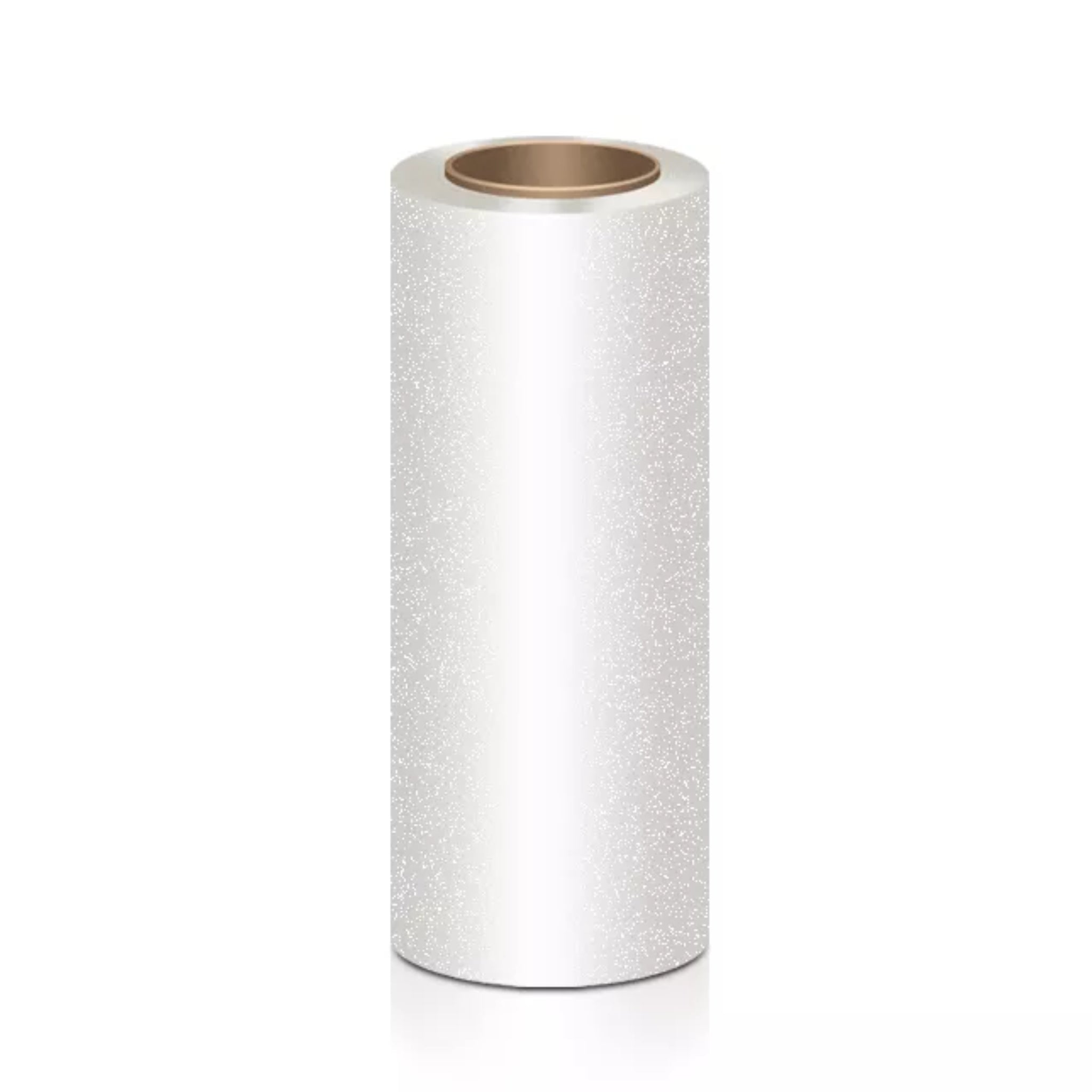
Yes. Liberty customers can order full rolls packaged two to a box across the range we stock: premium double hot peel, ultra premium hot peel, double matte smart peel for cold peeling, and glitter. Larger rolls mean fewer reloads on a long run, and our team can confirm which width suits your printer before the order goes through.
Rolls, Sheets & Film Choice
Yes. Alongside rolls we stock A3 cut sheets in packs of 100, which suit smaller jobs or any shop that prefers feeding sheet by sheet. Both formats ship the same day from our Stafford warehouse to Liberty and the surrounding towns including Dayton, Hardin, Ames and Cleveland.
Rolls make sense when production is steady, since fewer reloads means less interruption and a lower cost per printed area. Sheets make sense when printing is occasional or the job is small, because nothing gets committed to a roll you will not finish. Plenty of Liberty shops keep both, running rolls for the annual big jobs and sheets for everything in between.
A good film releases the design cleanly without dragging ink, holds edges sharp on fine detail, and cures evenly across the whole sheet. We stock hot peel films for speed through volume, a double matte smart peel that cold peels for fine detail and a softer finish, and glitter film when the job calls for shine. Match the film to the finish you want rather than treating one roll as universal.
Ink, Cost & Shelf Life
Yes. White is the most heavily consumed color anywhere and we hold it deep for Liberty and the Liberty County area, in 1-liter bottles and as part of the five-color batch set. It is formulated to resist clogging in i3200 and i1600 heads and dispatches the same day from Stafford, so a Liberty press is not idle waiting on an underbase.
Buy ink at the volume tier and put film and powder on the same order, which captures the ink discount and spreads one shipping cost across the whole restock. For a Liberty shop working an annual cycle, our team can also plan a resupply schedule around your production peaks rather than leaving you to reorder in a rush.
Sealed and stored cool and dry, DTF ink carries a 12-month shelf life, and film and powder keep well provided both stay sealed against moisture. If your press works in bursts around an annual cycle, label every bottle and bag with its arrival date and work oldest first, and agitate white thoroughly before restarting after any long gap.
Choosing a selection results in a full page refresh.