Hempstead sits where 290 crosses SH-6, and the work arrives from every direction: campus organizations, county events, and the towns spread around the junction. Order before the cutoff and it leaves our Texas warehouse that afternoon. Ink, film, powder and cleaner, buy exactly what the next job needs, every item formulated for Epson i3200 and i1600 heads.
Responsive SupportPhone & email, replies in 1 hr usually
What Every Order Needs
The Four Things Hempstead PressesRun Out Of.
Whatever the job, these four get consumed first, and all of them are held in Stafford ready to travel out to Hempstead, Prairie View, Waller, Bellville and Navasota. Every film width, both powder grades, sheet packs and printhead fluids are listed in the catalog below.
Best Value
1 LT Batch DTF Ink
$123.55
Best for: full color setup and refills
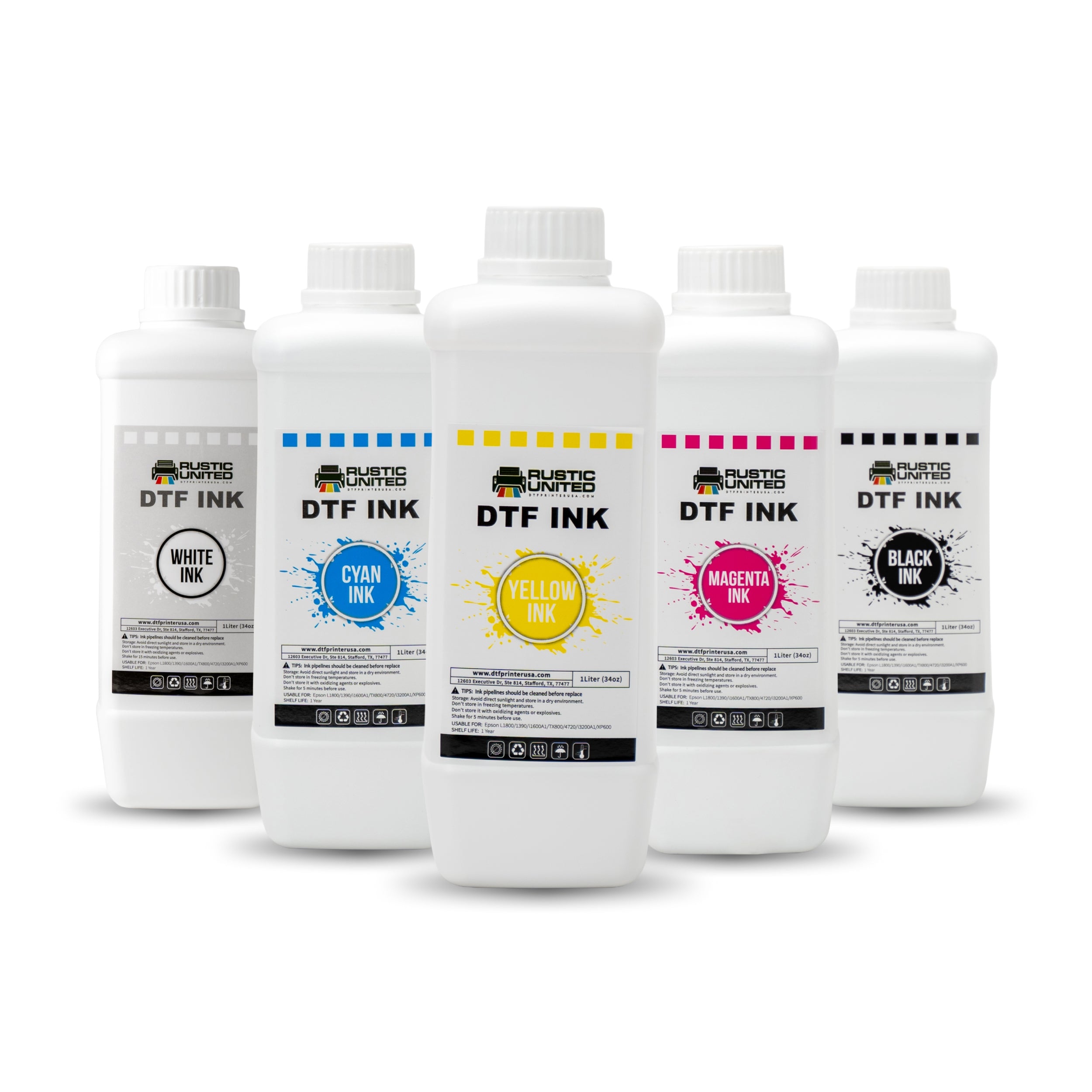
One carton, five liters, every color a Hempstead press needs to run: White, Cyan, Magenta, Yellow and Black. OEKO-TEX certified throughout and formulated to sit properly on i3200 and i1600 heads.
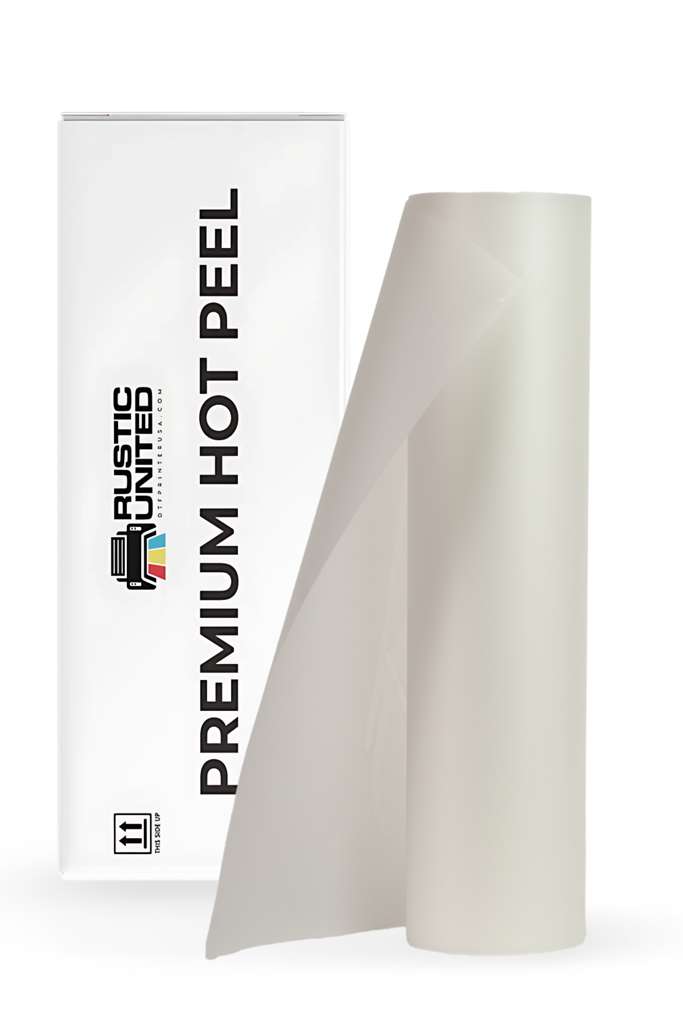
Twenty-four inches across and 328 feet long, sized so a run of chapter shirts or fair week apparel finishes on one roll. Steady release and clean edges throughout.
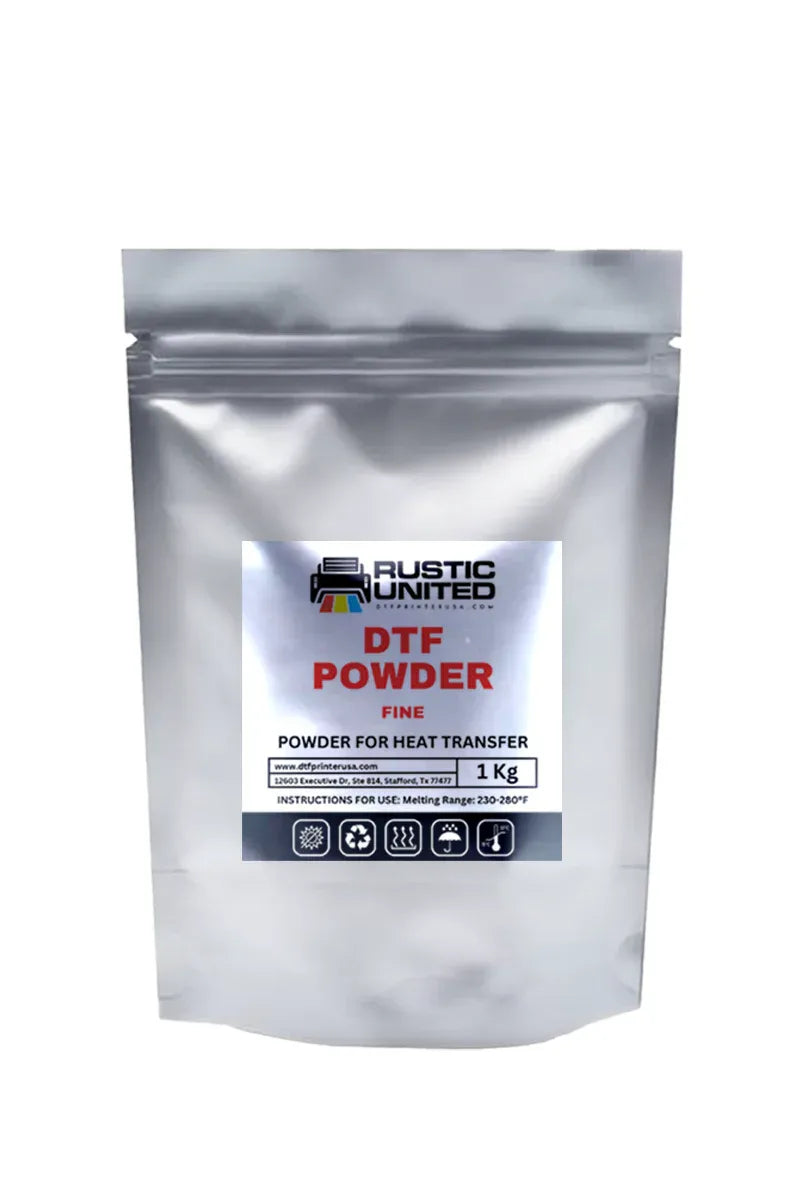
Fine and premium, both by the kilogram. Fine carries the small type and crest detail that organization work is full of; premium goes under the jackets, bags and heavier pieces that get worn hard for years.
A single bottle to plug a gap or the full five-color set for a clean start, whichever the week calls for. One OEKO-TEX certified formula across the range, written for Epson i3200 and i1600 printheads.
DTF white ink lays the base every color sits on, so it empties faster than anything else and it also decides how much life a design has. Most Hempstead work lands on black, navy, maroon or royal, and on those garments a thin underbase is exactly what makes a bright design look dull. Keep white agitated, keep a spare bottle behind the one in use, and the color layer takes care of itself.
Each category opens to the full list with live pricing. Films across every width we carry, fine and premium powder, A3 sheet packs and printhead fluids, all sitting in Stafford and cleared to leave for Hempstead the same working day.
Pick a category to open
DTF Transfer Film
Instant Peel
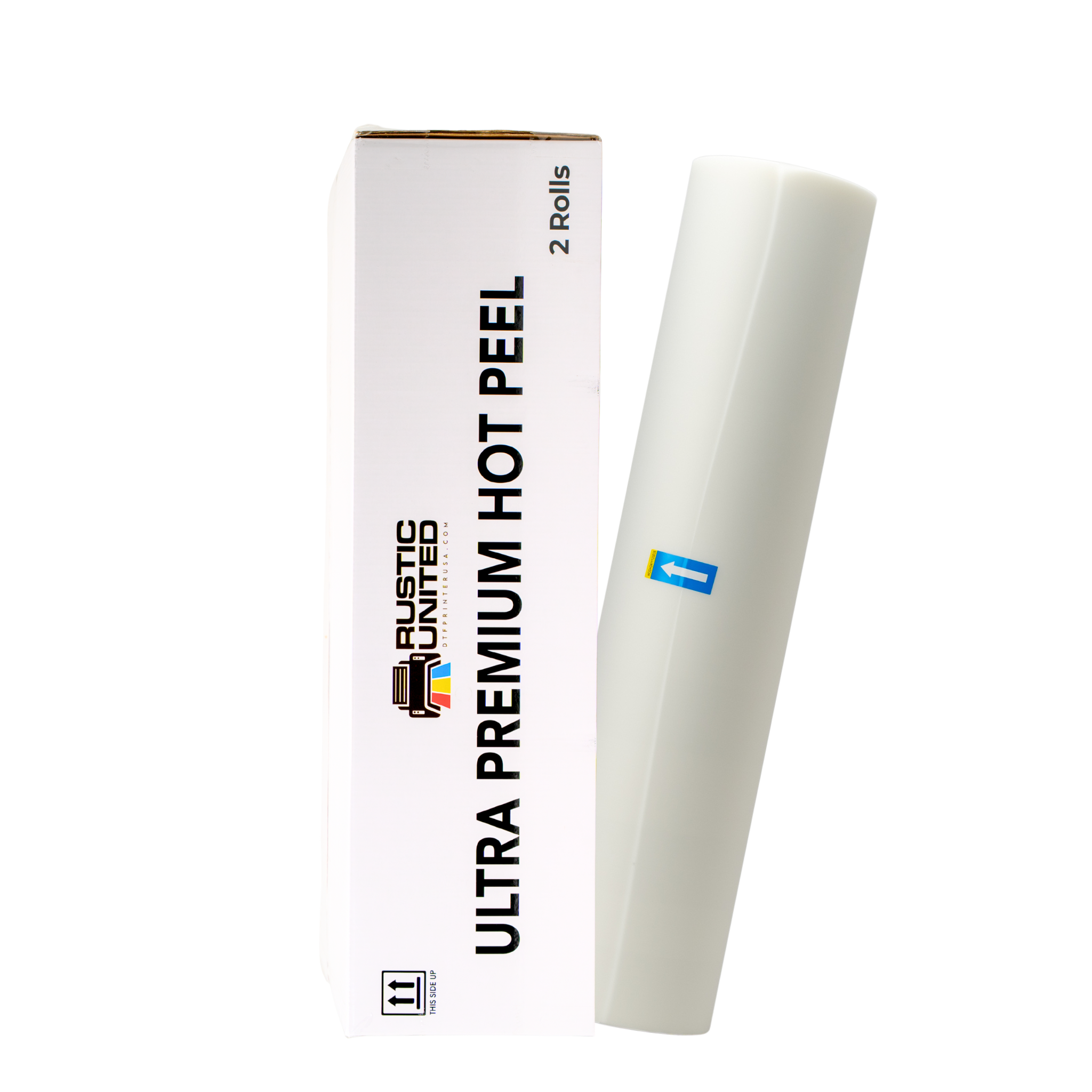
Premium Hot Peel Film
$74.55
A 24 inch by 328 ft roll that comes off warm or cold as you prefer. The reliable everyday choice when the week mixes chapter shirts, staff tees and event work.
The roll that shows up on most Hempstead restocks. A refined hot peel with a clean lift that holds crest and lettering detail, in 12, 16.5, and 24 inch widths.
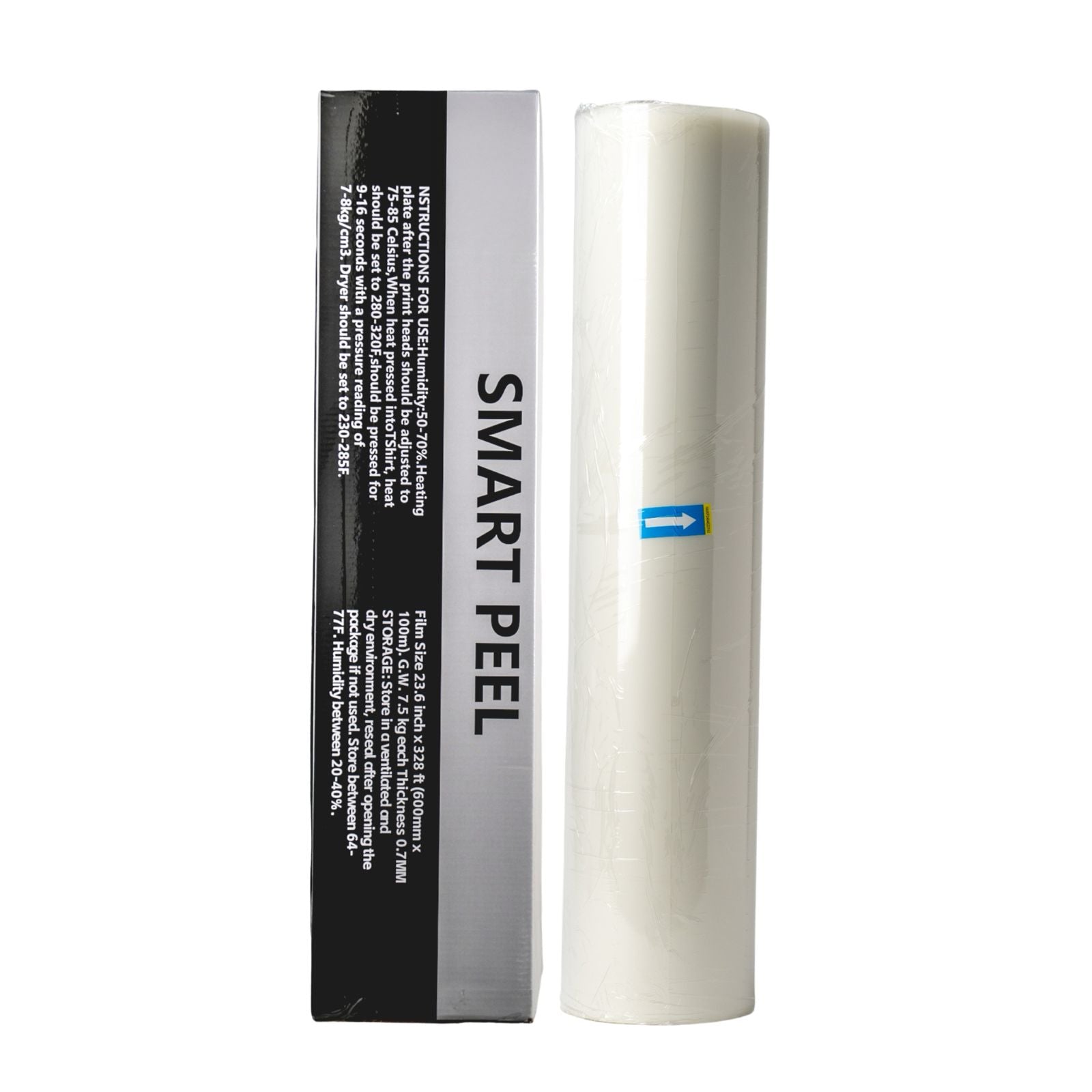
A 24 inch by 328 ft cold peel roll that waits until the sheet is cool. The film for names, years and small script that has to stay legible and feel soft.
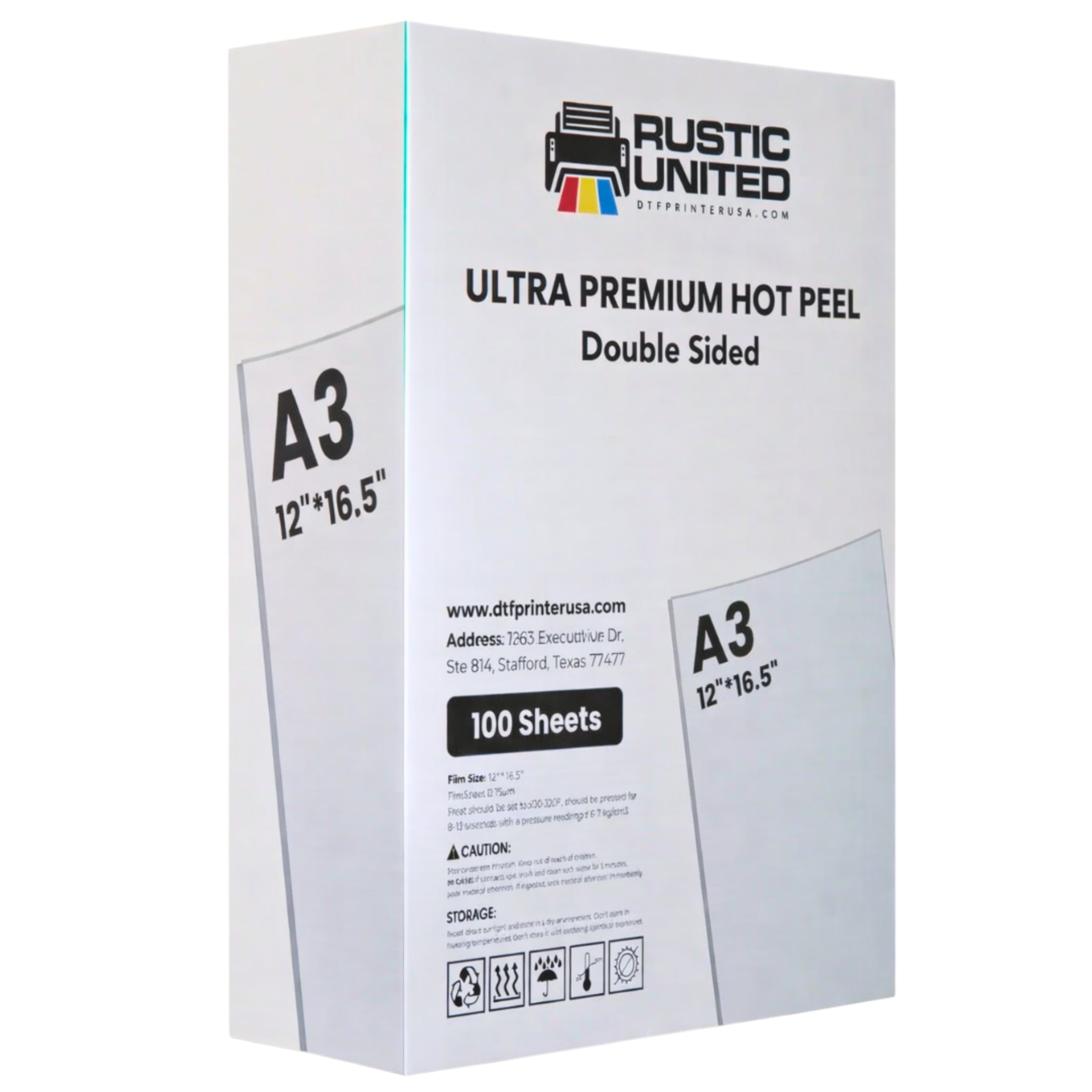
A hundred A3 sheets to a pack, made for the fifteen-shirt order that would waste most of a roll. Easy to handle on desktop machines and small Hempstead runs.
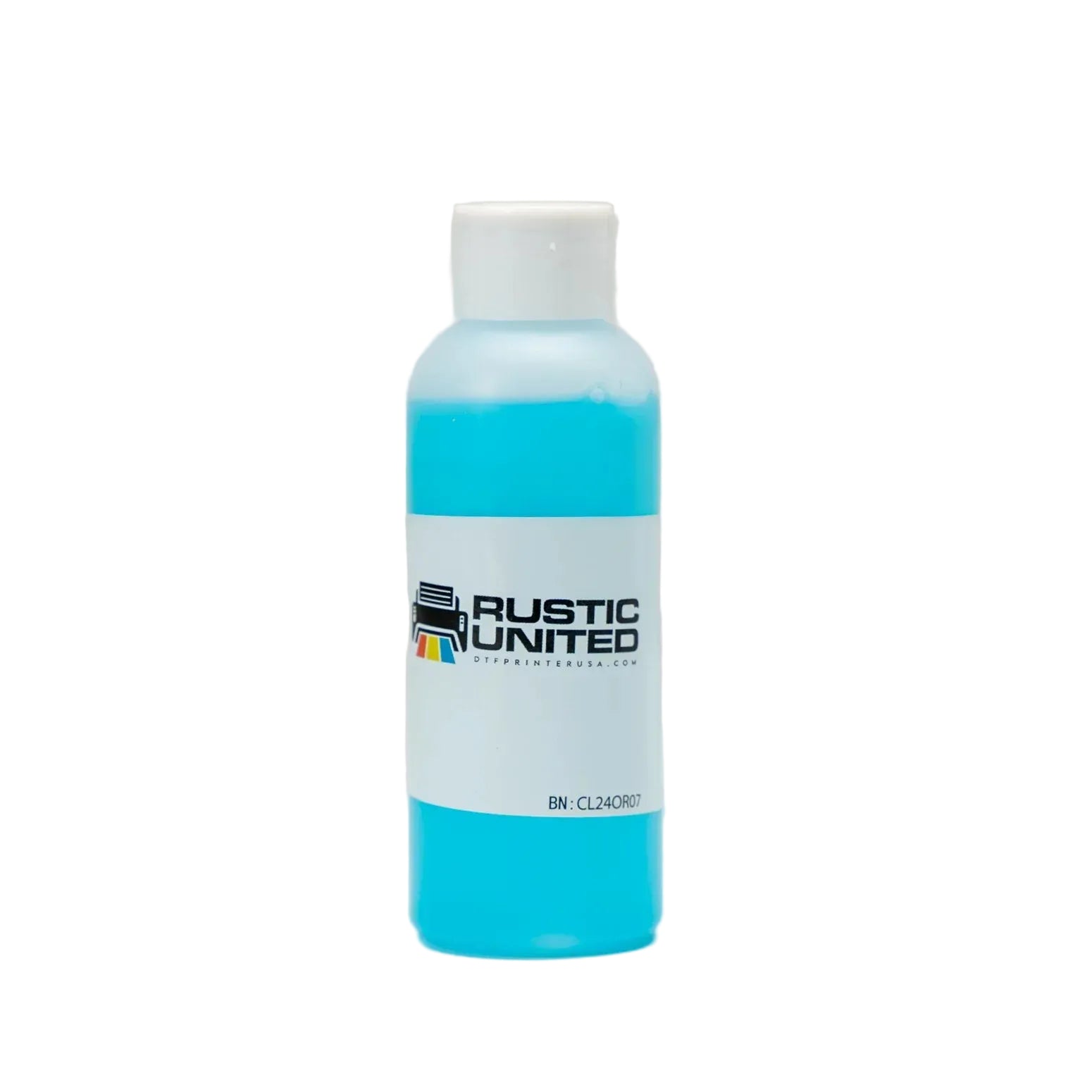
A liter of moisturizing fluid that keeps the head from drying out between runs. Worth having anywhere the press works in bursts around an event calendar.
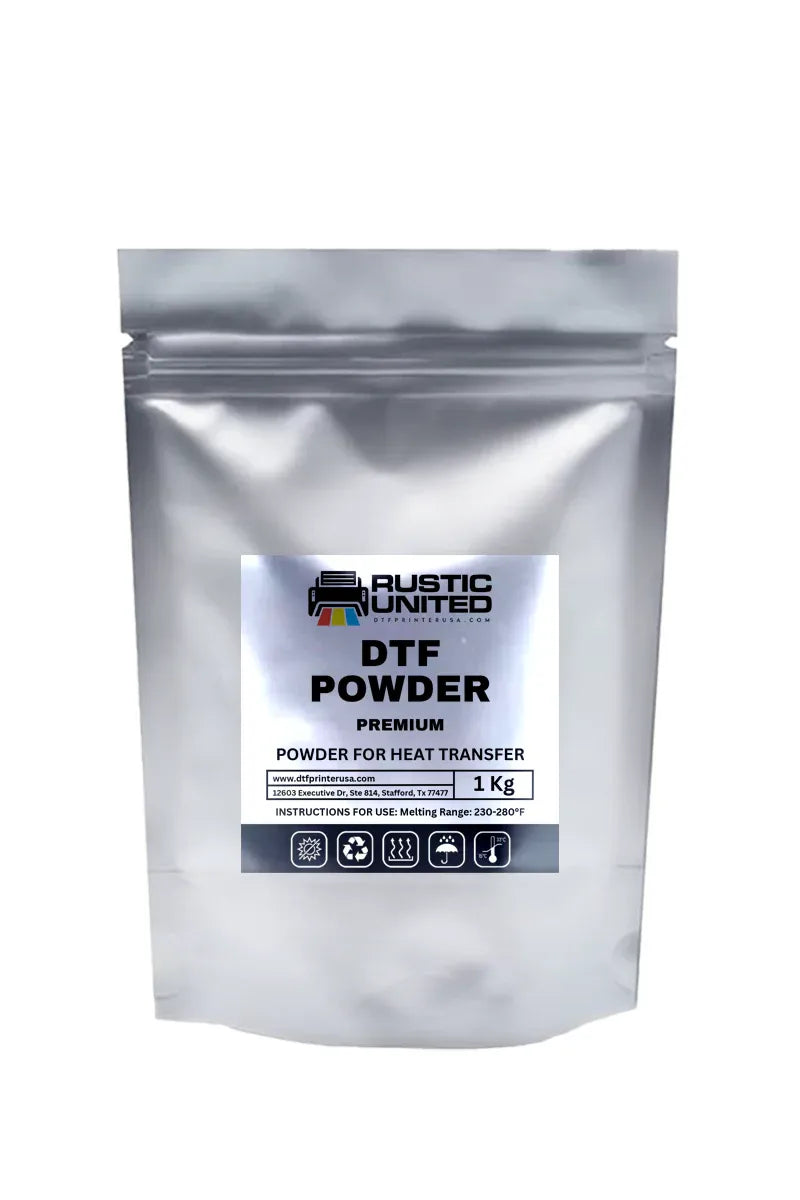
DTF powder only works when it lands evenly and gets shaken back off properly. Too little and the print lifts at the edges; too much and you get a rough halo around the artwork that no amount of pressing will smooth out. Fine grain for detailed crest and script work, premium for jackets, bags and anything that will be worn for years. Both grades go out of Stafford by the kilogram on the day you order.
Best Seller
Premium
$16.55
Stronger bond for jackets, bags and garments expected to last several seasons.
Fine
$16.55
Fine grain for crest detail, thin script and a flatter finish on cotton.
DTF transfer film, occasionally sold as DTF paper, is the carrier your artwork prints on before it moves into the garment. Most of the choice comes down to whether you need speed through a batch or the cleanest possible detail on small type. Below is how the three films we stock behave in practice on a Hempstead bench.
Best for high volume
Premium Double Hot Peel
Listed by some suppliers as instant peel. It does not mind when you lift it, which makes it the practical everyday roll.
I have been a customer for about four months now and I am very glad I found them. They are my one stop DTF store, whether it is ink, powder or even spare parts. The service has been excellent every time.
Alian Valdivia
Exceptional products and top notch customer service. We have been consistently impressed with the quality of the supplies, films and inks especially. Every order is delivered on time and their team is always responsive.
Mensiye Yilmaz
Went in today and got everything we needed. The staff were extremely helpful and the prices were very competitive. I will definitely be back for supplies.
Natalie Kelley
What Hempstead Gets Out of It
One Warehouse. No Minimums.Answers That Land.
Hempstead print shops, campus organization suppliers, and Waller County decorators deal in a lot of small jobs with immovable dates. That combination punishes a supplier who batches orders or holds stock somewhere vague, and rewards one that keeps everything in a single building and ships the day you ask.
Same-Day Shipping
Clear the cutoff and the order is packed and moving that afternoon, headed up toward Waller County. Nothing sits waiting for a fuller truck, which matters when the deadline is a specific event on a specific evening.
OEKO-TEX Certified Ink
OEKO-TEX certification means the ink is verified safe against skin once the transfer is pressed. Practically, you get saturated pigment, a white opaque enough to carry a bright design on black or maroon, and flow behavior written around i3200 and i1600 heads.
Production-Ready Stock
Every item on this page is stock we hold, not a listing we go looking for once you order. That is why a Hempstead shop can buy one bottle for a fifteen-shirt job without a minimum order turning it into a purchase nobody needed.
Fast Local Delivery
Hempstead sits at a highway junction, which keeps the run from Stafford direct and the timing consistent. Working toward a homecoming date or a fair week deadline? Call us and we will sort the fastest way to get it there.
Why Small Orders Are the Test
A Supplier Is Judged on the Small Jobs.
Any supplier looks fine on a five hundred shirt order. The real test is the twenty-shirt job with a Thursday deadline, because that is where minimums, batching and slow answers actually cost you the work. A Hempstead bench lives on those jobs, so the supplier has to make them painless rather than merely possible.
Same Day
Shipping
In before the cutoff means out the same afternoon, which is what keeps a short-notice order from becoming a job you had to decline.
Local
Stafford Warehouse
One Stafford, TX building with one inventory, so the stock figure on the page is the stock on the shelf.
1 Call
To a Texas Team
Underbase reading thin on a black blank, or powder leaving a halo? A US-based team who handle this stock daily will tell you which it is, today.
A Supplier Built for Bulk Only
Order minimums that make a twenty-shirt job not worth taking
Orders batched for days before anything actually ships
Stock counts that turn out to be somebody else's warehouse run
A technical question sitting in a queue past the deadline
Paying a rush premium for what should be routine
VS
DTF Printer USA, Sized for the Job in Front of You
Same-day dispatch on orders of any size
One Stafford, TX warehouse holding everything listed
OEKO-TEX certified ink with white that covers on darks
A US-based team that replies the same working day
No minimums, so one bottle is a real order
Printing in Hempstead
Where Two Highways Crossand Work Arrives.
Hempstead grew up as a junction and never stopped being one. US-290 and State Highway 6 cross here, the railroad came through long before either, and the town earned a reputation rough enough to be nicknamed Six Shooter Junction in its earlier days. Today it is the seat of Waller County, the center of a farming area known for watermelons, and the closest working town to Prairie View A and M University a few miles up the road. That mix produces a print calendar unlike a purely retail or purely industrial town. The work arrives as a steady stream of modest orders with hard dates attached: chapter and student organization shirts, alumni and homecoming pieces, county fair and farmers market apparel, staff and volunteer runs. Few of them are large. Almost all of them are urgent. Restocks leave our Stafford warehouse the same day and run north to Waller County.
Campus & Organization Work
Prairie View A and M University sits just up the road, and the organizations around a campus generate a constant flow of small apparel orders: chapter shirts, club and department runs, homecoming and alumni pieces. These are mostly dark garments carrying bright or metallic artwork, often with individual names, which is exactly the work DTF handles better than the alternatives.
Watermelons, Fairs & Market Days
The Hempstead Farmers Market, the Waller County Fairgrounds and the watermelon growing that made the area known all bring their own apparel demand: vendor and volunteer shirts, event merchandise, and staff runs that need to be ready on a fixed morning. Short runs, firm dates, and no minimums is what makes them worth taking.
Waller County Reach
From the junction a Hempstead shop naturally reaches Prairie View, Waller, Bellville, Navasota and Brenham, several of which have no print shop of their own. Same-day dispatch out of Stafford is what makes covering that spread realistic instead of something you promise and then apologize for.
Serving Hempstead & Waller County
DTF Printer USA keeps Hempstead and the wider Waller County area stocked with ink, film, powder, cut sheets and printhead care. From the farmers market and the county fairgrounds out through Prairie View, Waller, Bellville, Navasota and Brenham, a Hempstead print shop, organization supplier or decorator is buying from a Texas shelf rather than waiting on an import.
Local Delivery Area
Same-day dispatch and a direct run up to the junction and the towns around it. The same Stafford inventory reaches any US address.
Hempstead 77445Hempstead Farmers MarketWaller County FairgroundsLiendo PlantationPeckerwood GardenPrairie ViewWallerBellvilleBrenham
DTF Supply Guide for Hempstead
Running a DTF Line in Waller County.
Three practical areas for a Hempstead bench: making small personalized orders pay, getting a bright design to read on a black shirt, and applying powder so it neither lifts nor leaves a halo.
Making Small Personalized Orders Pay
A twenty-shirt order where every shirt carries a different name used to be the job you quoted high enough to discourage. With DTF it is one of the better jobs on the bench, provided the workflow is set up for it. The reason is that there is no per-design setup to recover, so the fifteenth variant costs no more to produce than the first. What kills the margin instead is handling: fifteen separate print jobs, fifteen trips to the press, fifteen chances to mismatch a name to a size. The fix is treating the whole order as one sheet rather than fifteen jobs. Lay every variant onto a single gang sheet with the common artwork and the individual names nested together, print it once, then cut and sort before you go near the heat press. Number the pieces on the film margin in the order they will be pressed and keep the roster in the same order beside the press, so matching becomes reading rather than remembering. Batch the pressing by garment color too, since changing platen setup costs more time than changing which name goes on. Done that way, a personalized run of twenty takes not much longer than twenty identical shirts, which is precisely why organization work is worth chasing rather than pricing away.
Getting Bright Artwork to Read on Black
Most of the apparel a Hempstead shop prints is dark, and the single most common complaint about a dark-garment print is that the colors look muted next to the artwork on screen. The instinct is to push the color layer harder. That is almost always the wrong lever. Color on a dark garment is only as bright as the white sitting underneath it, so a design that reads dull is nearly always telling you the underbase is thin rather than the color is weak. Two things cause a thin underbase. The first is settled pigment: white ink separates faster than any color, and a bottle that has stood over a weekend will lay noticeably less opaque than the same bottle shaken properly. Agitating before every run, not every few runs, removes most of the variation on its own. The second is assuming one underbase setting fits every garment. Black, navy, maroon and royal all absorb light differently, and a design that looks excellent on black can lose contrast entirely on maroon. The practical routine is to print one test of any new artwork across the two or three garment colors an order actually uses, press them, and look at all of them together in daylight rather than under shop lighting. Ten minutes there prevents the conversation where a chapter president explains that the shirts do not look like the mockup.
Powder: Too Much, Too Little, and How to Tell
Powder is the consumable people think least about and the one that produces the most avoidable failures, because both directions of error look fine until the garment is finished. Too little powder and the bond never fully forms, which shows up as edges lifting after a few washes rather than anything visible on the day. Too much and the excess clings to the wet ink outside the printed area, cures into the fabric, and leaves a faint rough halo around the design that no amount of extra pressing will remove. Getting it right is mostly technique rather than equipment. Apply while the ink is still properly wet, since powder will not adhere evenly to a sheet that has started to dry, and cover the whole design generously rather than trying to be sparing. Then take the recovery seriously: lift the sheet, tap it firmly from behind, and give it more shakes than feel necessary, because loose powder that looks like nothing on the film is exactly what becomes a halo after curing. Work over a tray so recovered powder goes back in the tub rather than onto the floor. If a finished print feels slightly gritty at the edge, that is too much powder rather than a film or ink problem, and if the design lifts at a corner after washing, that is too little. Both are worth a deliberate test rather than a guess, since a kilogram of powder covers a great many shirts and the cost of getting it wrong lands on the customer.
DTF Supplies FAQ
Hempstead DTF Supply Questions, Answered.
The questions Hempstead shops and Waller County decorators raise most before placing a first DTF supply order.
DTF Supplies in Hempstead
DTF supplies in Hempstead means the four things a direct-to-film press consumes: DTF ink in white plus cyan, magenta, yellow and black, transfer film in rolls or A3 sheets, adhesive powder in fine and premium grades, and printhead cleaning and moisturizing fluid. DTF Printer USA stocks the full list at one Stafford, Texas warehouse and ships the same day up toward Waller County.
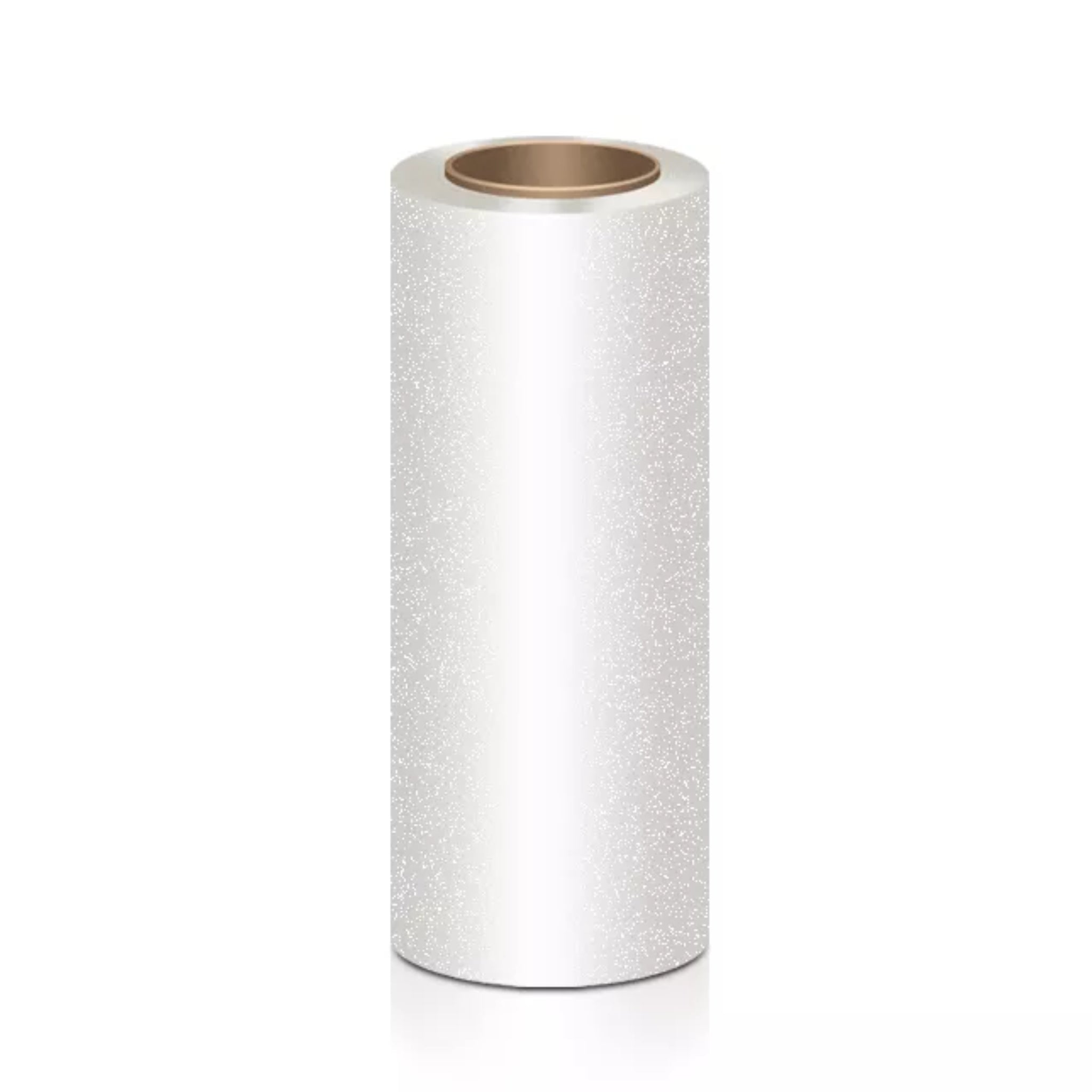
It comes down to how you work. Hot peel films keep a long run moving because you lift while the sheet is still warm, while the double matte smart peel is a cold peel that protects fine detail and finishes softer. Glitter film covers anything that needs to catch light, and A3 cut sheets suit orders too small for a roll. Rolls come packaged two to a box, and our team can match a film to your printer width before you order.
Powder, Films & Compatibility
We carry two grades in 1 kg quantities: fine and premium. Fine grain suits detailed artwork and a softer hand on lightweight cotton, while premium delivers the stronger bond that heavier garments, bags and repeat-wash work need. Both grades leave our Stafford warehouse the same day a Hempstead order is placed.
Our inks are formulated for Epson i3200 and i1600 printheads, and the films and powders work across a broad range of machines, which is why plenty of Hempstead customers run them on printers bought somewhere else. Send our team your printer model and roll width and we will confirm the right match before anything ships.
The white underbase does the work, so start by making sure it is dense enough rather than pushing the color layer harder. Agitate white before every run so pigment is evenly suspended, and if a design still looks dull on black or maroon, the underbase is thin rather than the color being weak. Test the same artwork on black, royal and maroon before a full run, since a design that reads well on one dark shade can lose contrast on another.
Ordering, Payment & Returns
Because the stock is real and it is close. Everything ships from one Stafford, Texas warehouse rather than a network of depots, orders beating the daily cutoff go out the same afternoon, and there are no minimums on any item. Add volume pricing on ink and a US-based team that answers on the same working day, and a Hempstead shop is not building its schedule around somebody else's transit time.
Checkout accepts credit and debit cards, PayPal, Shopify Payments, Apple Pay, Google Pay and Amazon Pay, all through a secure connection. The same options apply whether the order is a single bottle of ink or a full restock of film, powder and cut sheets.
Consumables are not refundable once used, so a supply that has been opened and run through a machine without a manufacturing defect cannot be returned. Anything with a genuine manufacturing defect is replaced at no cost. If something is not performing as it should, contact our team before continuing the run so we can identify whether it is a defect or a settings issue.
Choosing a selection results in a full page refresh.