El Campo sits directly on the US-59 lane out of our Stafford warehouse, which makes restocking short and predictable rather than a weekly gamble. Beat the cutoff and the box ships that afternoon, ready for outfitter work, Ricebirds spirit wear, or whatever the week brings. Ink, film, powder, and cleaner, from one bottle upward, all of it built around Epson i3200 and i1600 heads.
Responsive SupportPhone & email, replies in 1 hr usually
Start Here Before Anything Else
The Four Lines on Every El CampoReorder.
Almost every restock an El Campo shop places comes back to these four, and all four are physically in Stafford waiting to go out to El Campo, Wharton, Louise, Ganado and Hillje. Widths, grades, sheet packs and printhead fluids are all listed in the catalog further down.
Best Value
1 LT Batch DTF Ink
$123.55
Best for: full color setup and refills
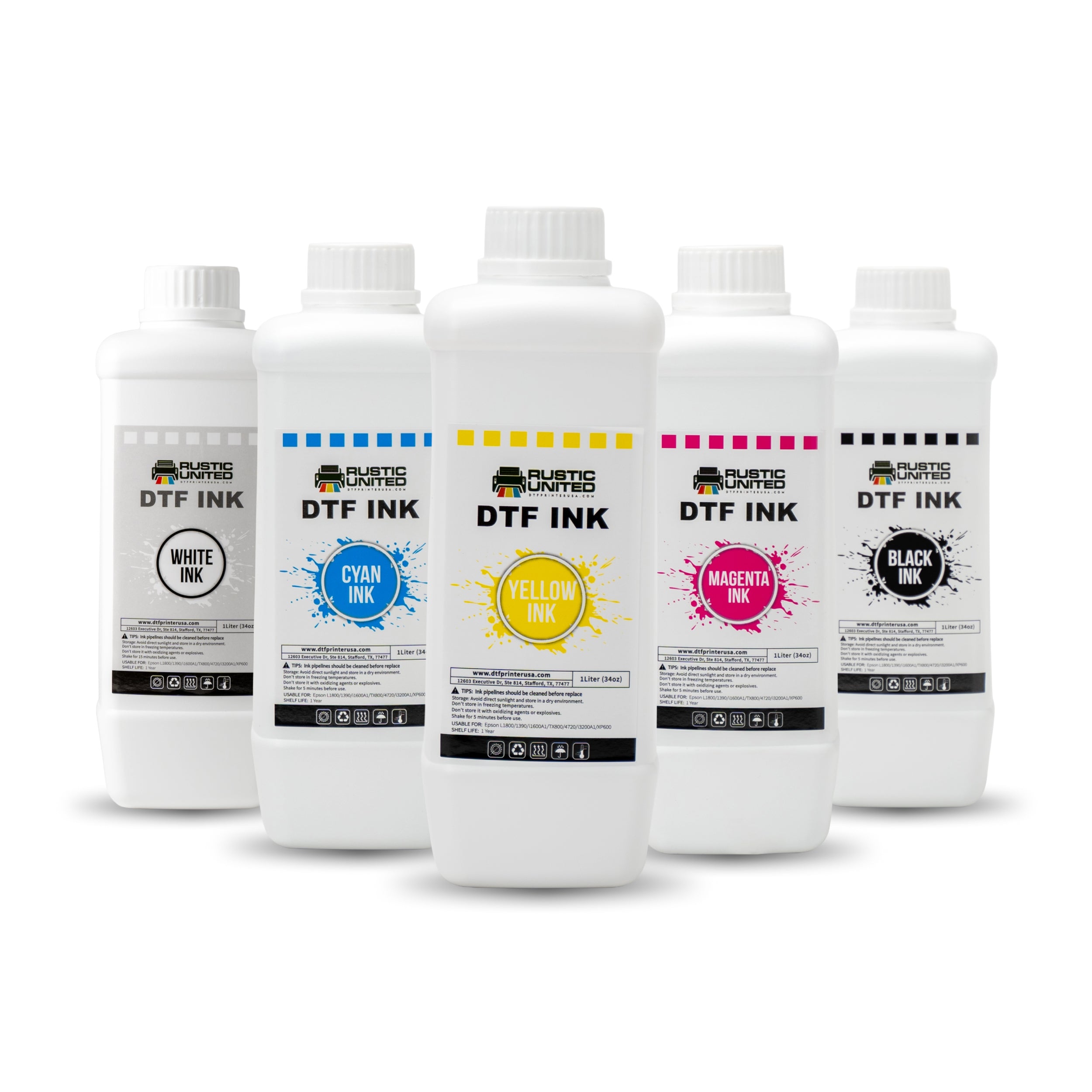
A complete color set in one carton, a liter each of White, Cyan, Magenta, Yellow and Black. Five liters of OEKO-TEX certified ink for an El Campo shop that would rather order once than five separate times.
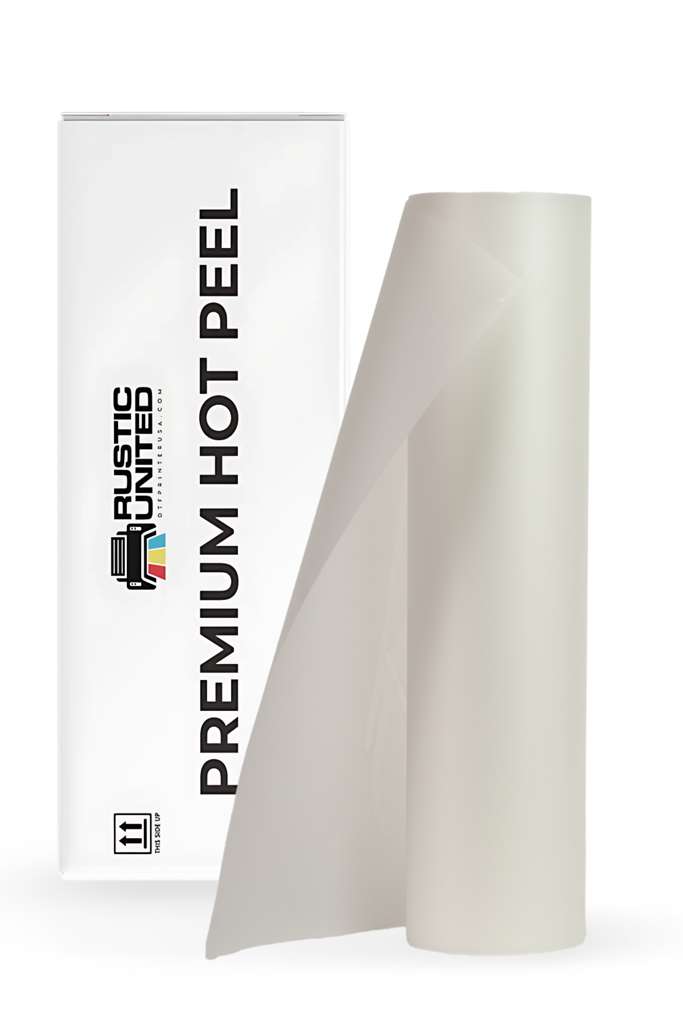
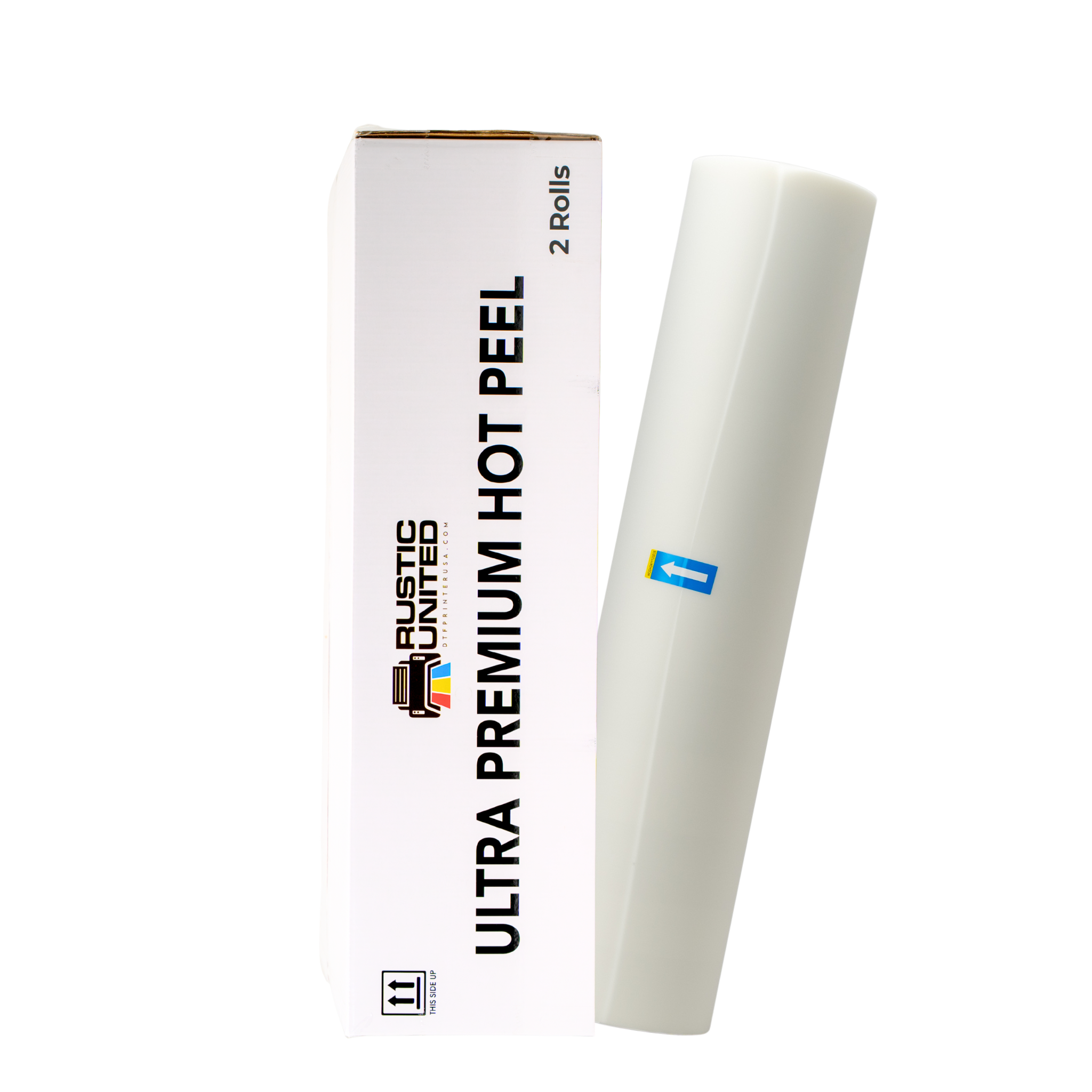
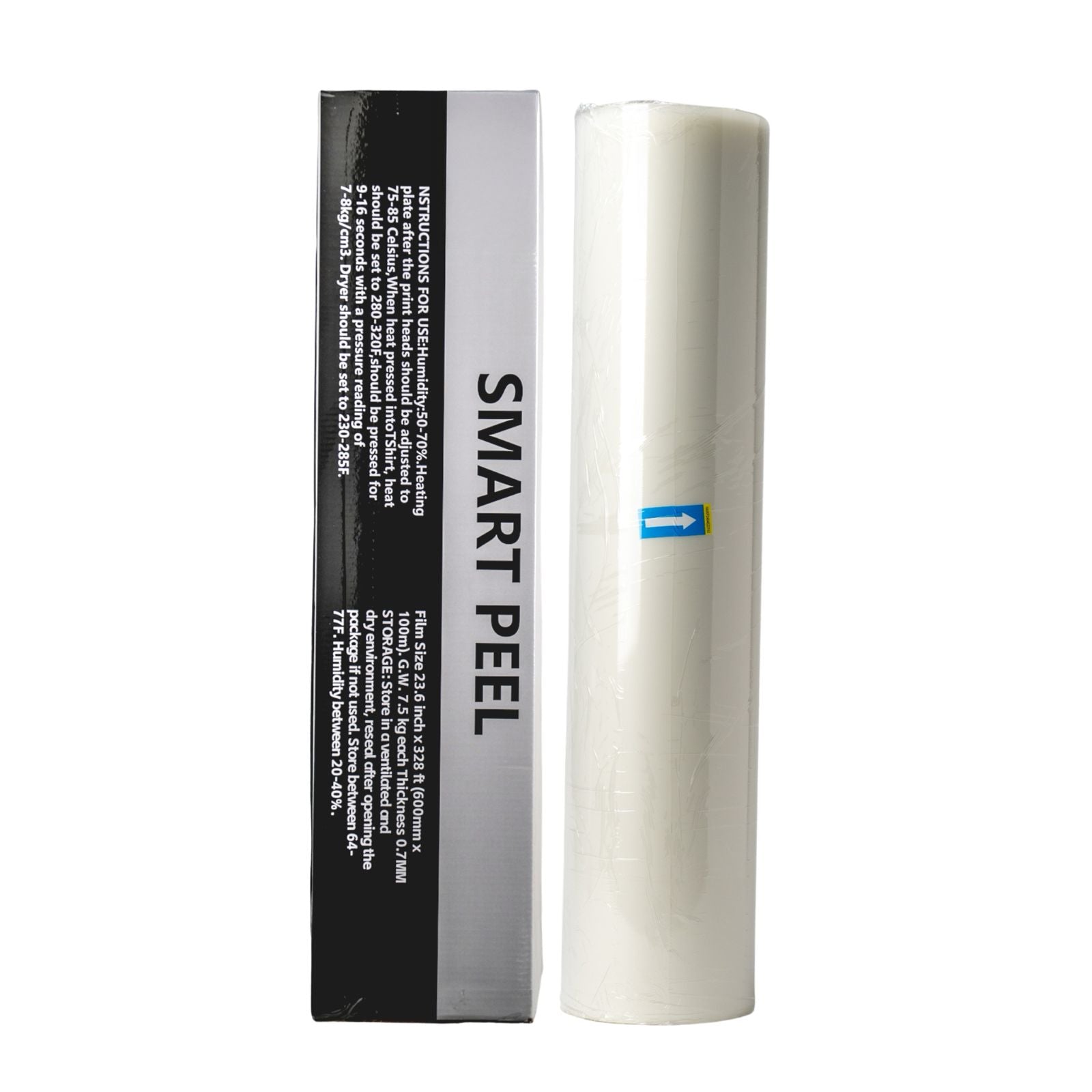
Three hundred and twenty-eight feet of 24 inch film, enough to cover a season of guide-service apparel or a booster club order without stopping to reload. Consistent release and edges that stay clean end to end.
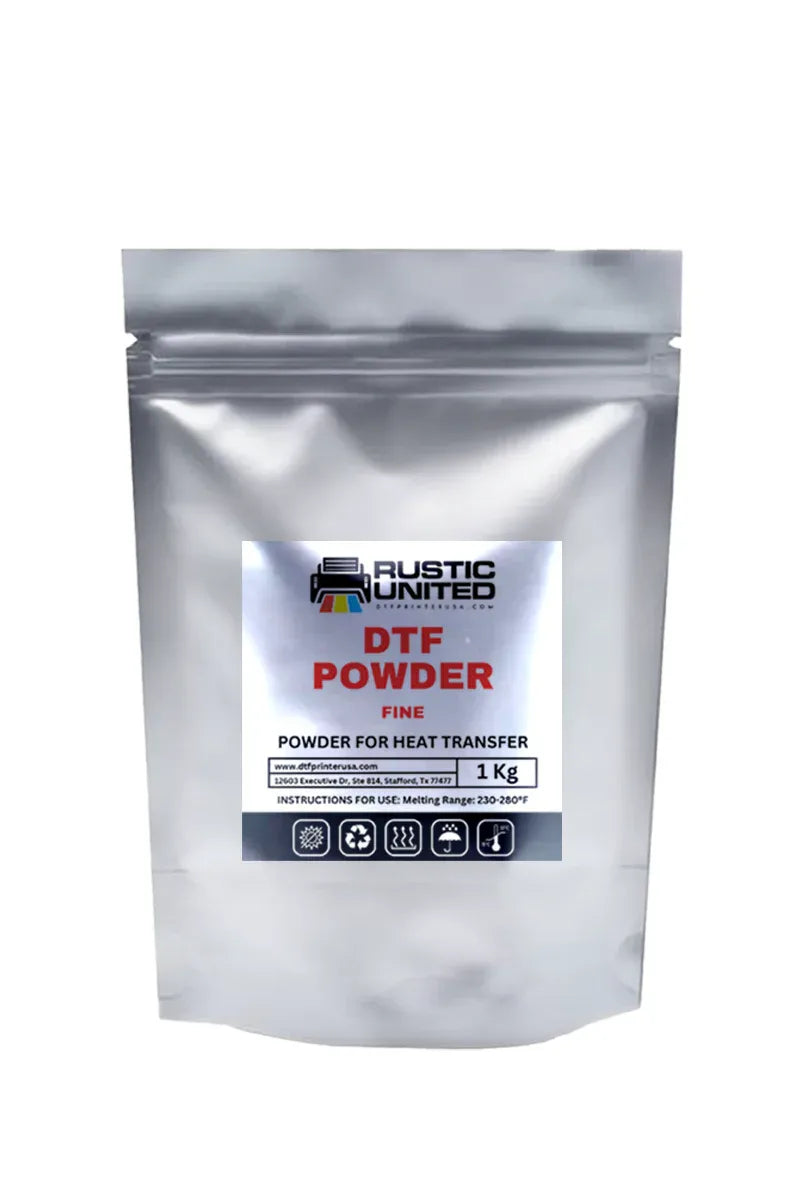
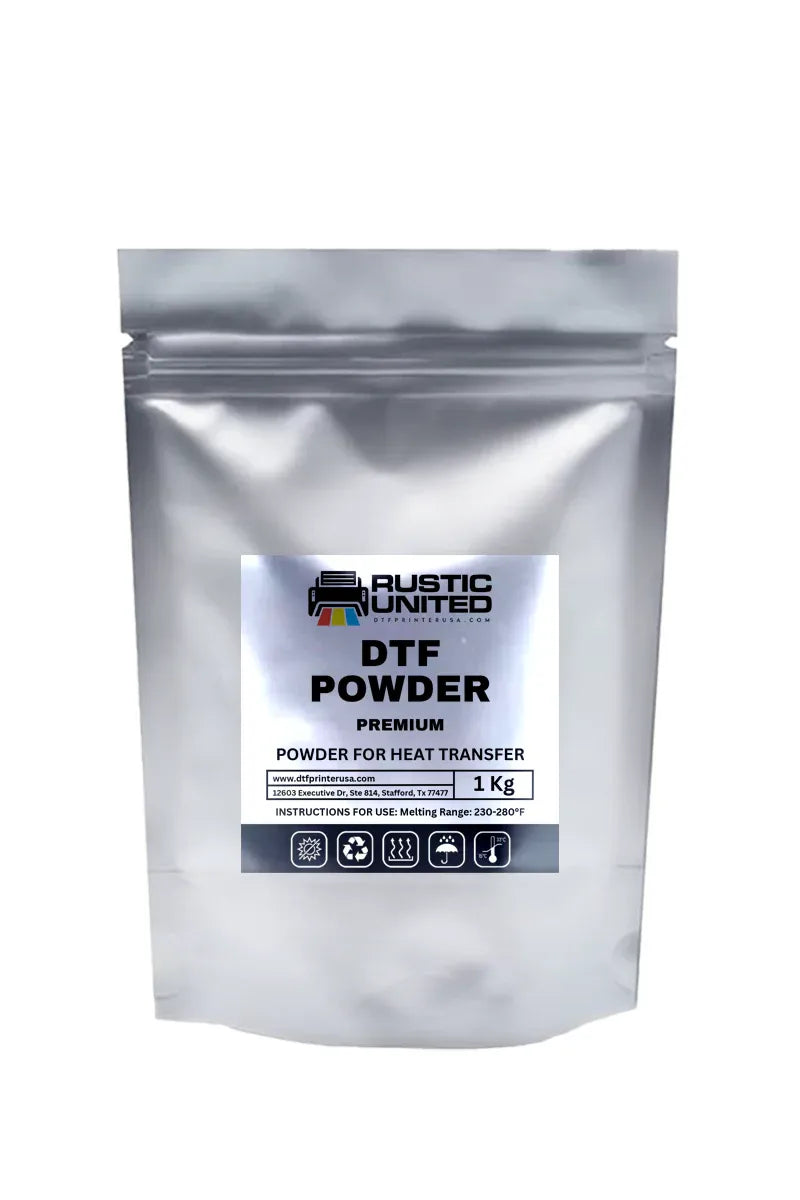
Fine and premium, both sold by the kilogram. Fine is the one for lightweight tees carrying names, numbers and small type; premium is what holds a print onto camo and performance blanks that live outdoors.
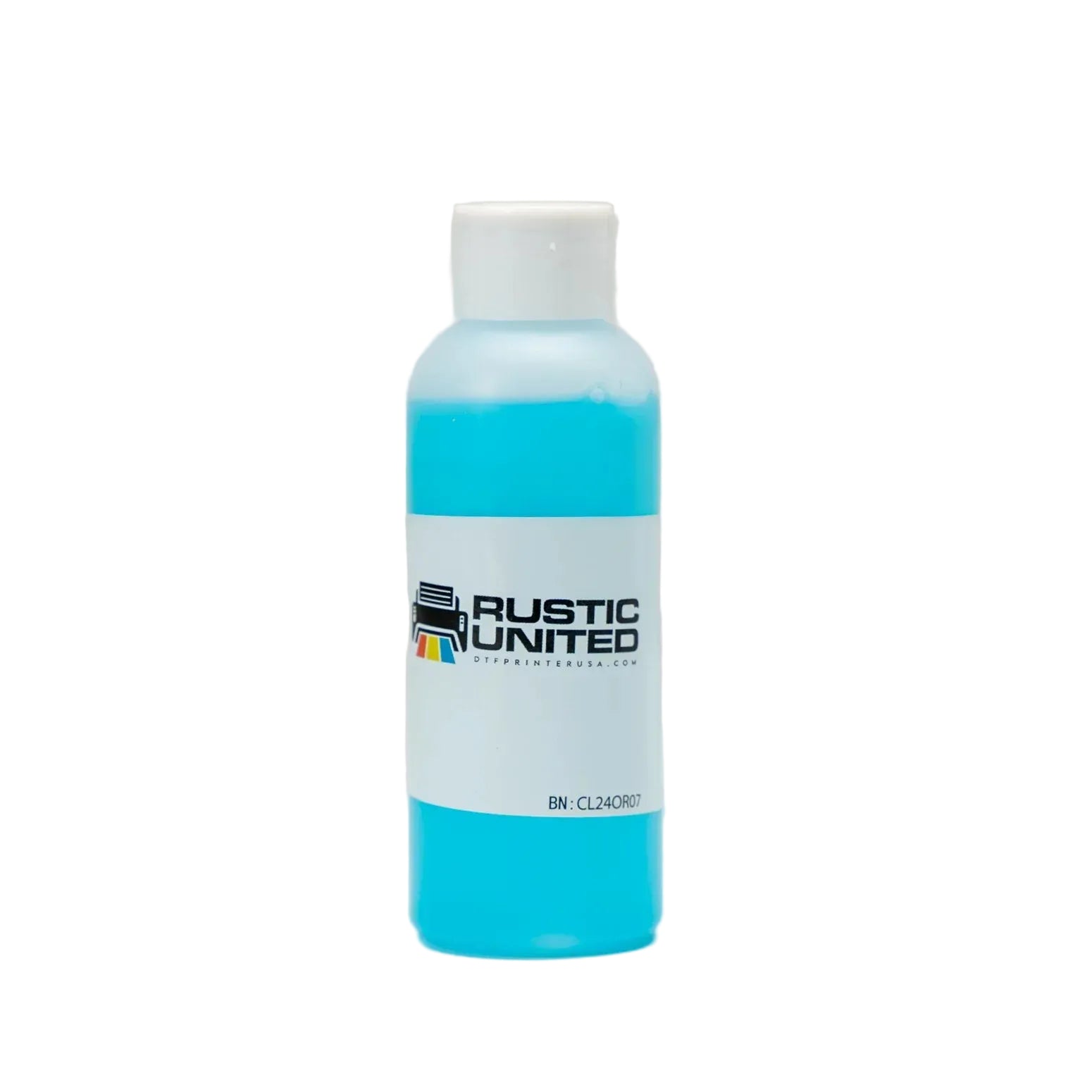
One hundred milliliters of cleaner that keeps the head clear between runs. Ten dollars of maintenance against the cost of a blocked nozzle turning up mid-season when nobody has time to strip a printer.
Order the one color that ran out, or refill everything at once and be done with it. All five come off the same OEKO-TEX certified formula, tuned to run on Epson i3200 and i1600 printheads.
DTF white ink does two jobs at once, printing the underbase and backing every colored area, so a single design can pull more white than all four colors combined. That ratio catches out shops that buy one of each. On dark camo and navy spirit wear, the kind of work an El Campo bench sees constantly, the gap widens further still.
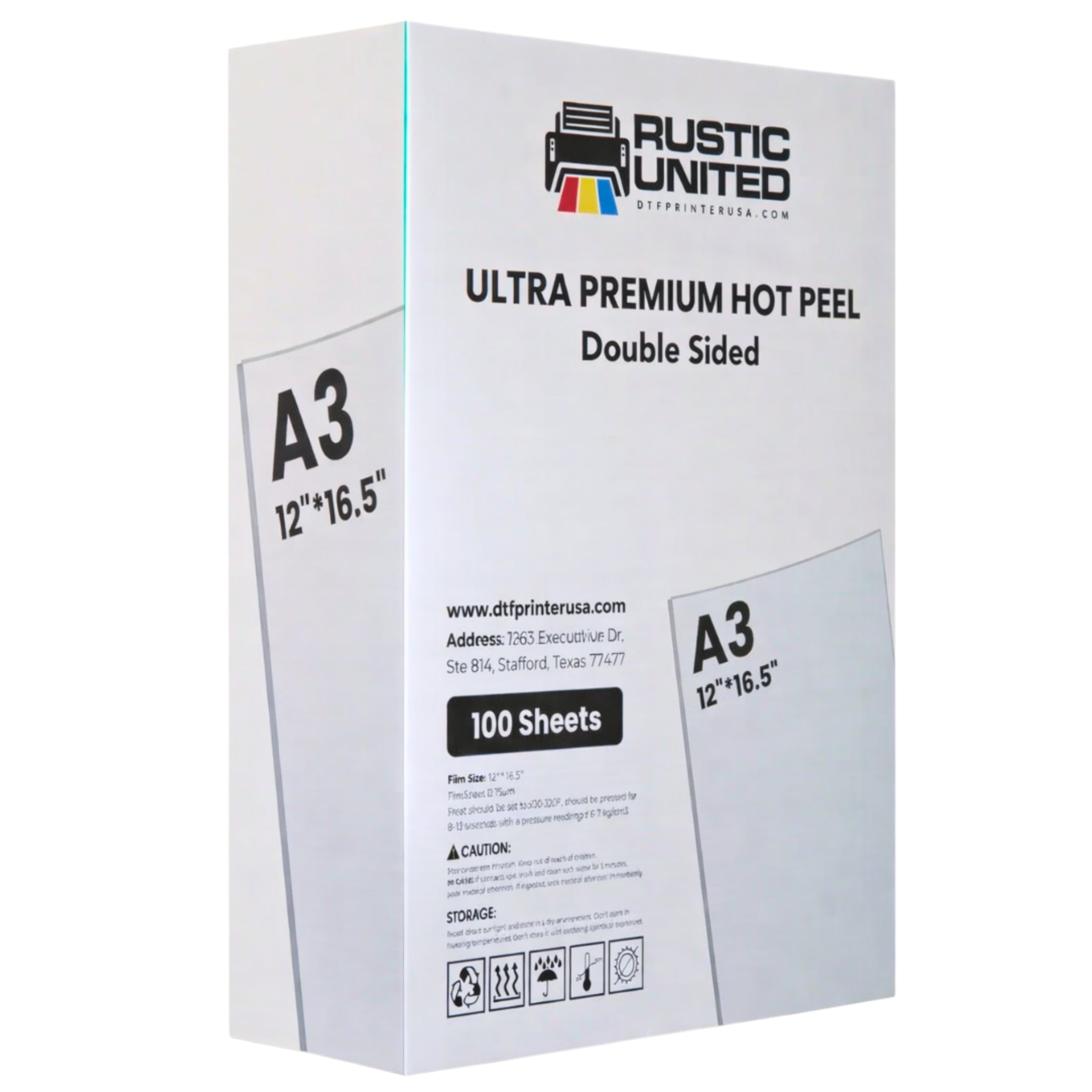
Open a category to see the full list with live pricing. Films in every width we carry, both powder grades, A3 sheet packs and printhead fluids, all sitting in Stafford ready to move on an El Campo order the same day.
Select a category to expand
DTF Transfer Film
Instant Peel
Premium Hot Peel Film
$74.55
A 24 inch by 328 ft roll you can peel hot or cold as the job dictates. The versatile default when an El Campo week runs from outfitter caps to a booster club order.
The film that keeps reappearing on El Campo restocks. A refined hot peel with a clean lift even on detailed artwork, stocked at 12, 16.5, and 24 inches.
A 24 inch by 328 ft cold peel roll that must go fully cold before lifting. The right film for rosters, player names and small type that has to feel like part of the shirt.
DTF powder is the adhesive that turns a printed sheet into a permanent garment print, and the grade should follow the blank rather than habit. Cotton tees and fine lettering want the small grain; polyester, camo and performance fabric want the stronger bond. Both grades leave Stafford by the kilogram the same day an El Campo order arrives.
Best Seller
Premium
$16.55
The grade that holds on polyester, camo and anything worn outdoors for a living.
Fine
$16.55
Fine grain for detailed artwork, small lettering and lighter cotton blanks.
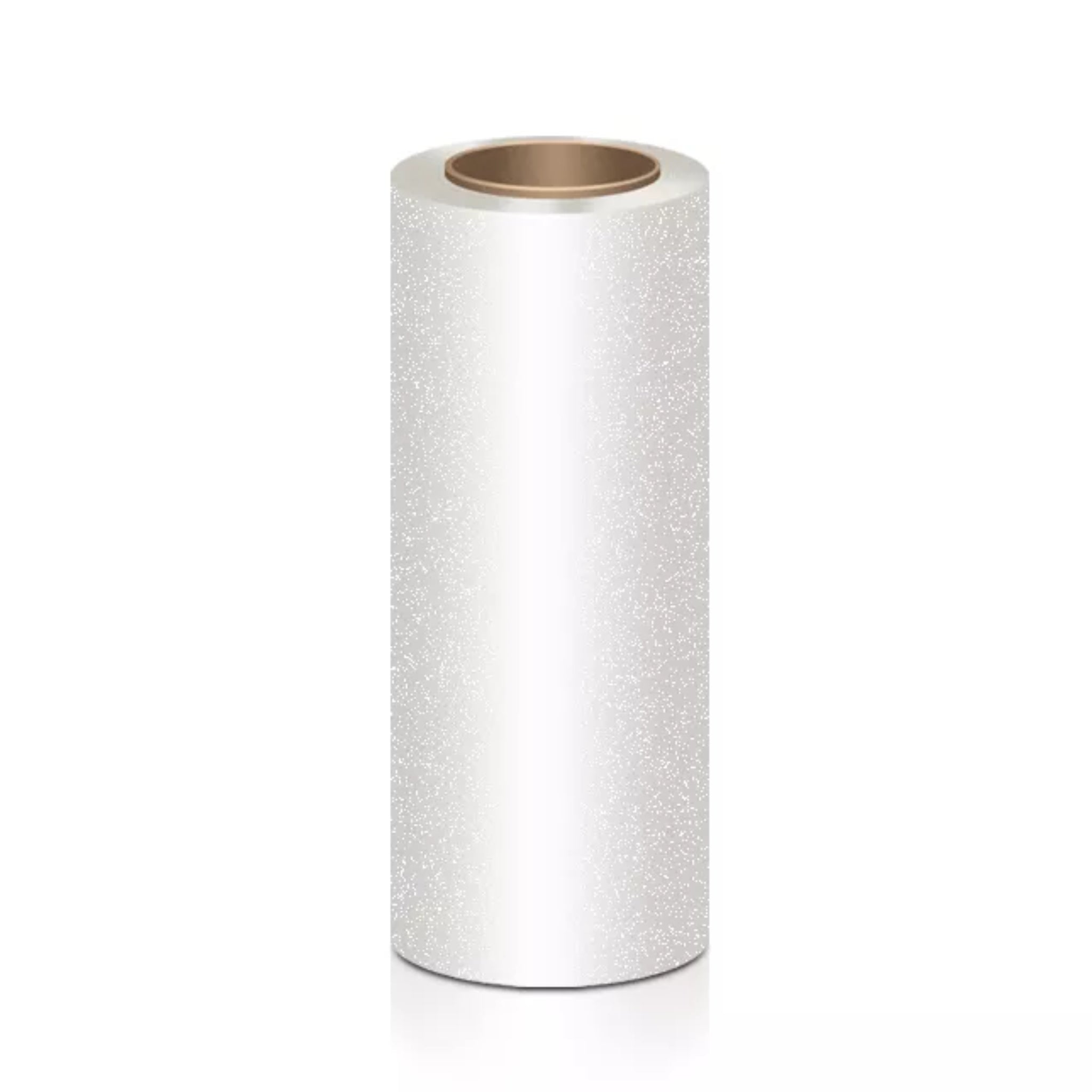
DTF transfer film, listed by some sellers as DTF paper, carries your print until the press drives it into the garment. In practice the choice is a trade between throughput and finish: hot peel keeps a long run moving, cold peel protects fine detail and gives a softer hand. Here is how the three we stock compare on an El Campo bench.
Best for high volume
Premium Double Hot Peel
Also sold as instant peel. It tolerates lifting hot or cold, which makes it the practical default when the schedule is tight.
I work in the T-shirt printing business, and the inks from DTF Printer USA have been a game changer. Colors come out vibrant, the white ink is strong, and print quality holds up wash after wash. Highly recommend.
Asude Ankarali
The inks I bought from them are genuinely vivid. I would recommend them without hesitation.
Mervenur Bulcun
Their customer service was top notch and they responded within minutes. The training on setup was thorough, and the ink, film and powder are all high quality. Prints come out vibrant and sharp, and they have held up on every fabric I have tested, even after repeated washing.
Sam Gencer
What El Campo Shops Get Here
Short Lane. Real Inventory.Answers the Same Day.
El Campo print shops, guide services and outfitters, and Wharton County decorators come back for a simple structural reason: the warehouse is up the same highway, the stock is genuinely held, and nobody has to route a question through three time zones to get it answered.
Same-Day Shipping
Orders that clear the cutoff are picked and out the door that afternoon, straight down the 59 corridor to Wharton County. Nothing gets held to fill a truck, and no third-party hub sits on your restock while it decides which region takes priority.
OEKO-TEX Certified Ink
OEKO-TEX certification means the ink is tested safe against skin once the transfer is pressed. On the machine that translates to dense pigment, a white that covers properly on camo and dark blanks, and flow characteristics matched to i3200 and i1600 heads.
Production-Ready Stock
This is held inventory, not a catalog we source against. Every ink, film width, powder grade, sheet pack and maintenance fluid listed is on a shelf in Stafford. Buy one bottle to test a job or load up before a busy stretch, and there is no minimum in either direction.
Fast Local Delivery
El Campo sits on US-59 itself rather than off a spur, so the run from Stafford is one continuous lane and transit times stay consistent week to week. Chasing an outfitter deadline or a Friday deadline for spirit wear? Call and we will work out the fastest option.
Where the Margin Actually Goes
Cheap Supplies Are Rarelythe Cheap Option.
The headline price on a bottle of ink is the smallest part of what a supplier costs you. Reprints from a weak bond, jobs quoted long because transit is unpredictable, and hours lost to a support queue all land on the same profit and loss. Buying from one Texas warehouse with same-day dispatch removes most of that overhead before it appears.
Same Day
Shipping
In before the cutoff means gone the same afternoon, moving down 59 toward El Campo while a long-distance seller is still deciding which depot the order belongs to.
Local
Stafford Warehouse
A single Stafford, TX building holding a single inventory, which is why the stock status you see is the stock that exists.
1 Call
To a Texas Team
Dye migration on a poly blank, or a powder question mid-run? You get a US-based team that handles these products daily, on the same working day you ask.
The Cheapest Supplier You Can Find
Reprints from a weak bond that nobody costed into the quote
Lead times padded because you cannot predict the transit
Cheap ink that fades and takes the repeat order with it
Support tickets answered a day after they mattered
Minimum orders that leave capital sitting on a shelf
VS
DTF Printer USA, One Lane From Stafford to El Campo
Same-day dispatch on a route that stays predictable
Held stock in Stafford, TX, one building and one inventory
OEKO-TEX certified ink that survives the wash cycle
A US-based team reachable the day you need them
Volume pricing that lowers real cost per print
Printing in El Campo
A Highway Town With Two BusySeasons.
El Campo started out as Prairie Switch, a rail stop on the coastal plain, and took its present name from the camps Mexican vaqueros kept there while working cattle through the area. The town still sits squarely on US-59, which is the practical fact that shapes a print shop here: supply lanes are short and traffic passes through rather than around. The Texas Legislature named El Campo the Wildlife Capital of Texas, and the waterfowl season that designation reflects brings guide services, lodges and outfitters looking for branded gear every autumn. Then the Ricebirds take the field and school spirit work fills the same bench. Two seasons, two very different fabrics, and one press expected to handle both. Restocks leave Stafford the same day and run straight down 59.
Wildlife Capital & Hunting Season
El Campo carries the state legislature title of Wildlife Capital of Texas, and the waterfowl season behind it drives real apparel demand: guide service branding, lodge merchandise, outfitter caps and camo layers. Almost all of it lands on polyester or poly blends, which makes premium powder and a controlled press temperature the difference between a clean print and a ruined run.
Ricebirds, Bands & Booster Clubs
The other half of the year belongs to school and spirit work: Ricebirds shirts, band and drill team pieces, booster club runs and rosters with names and numbers. These orders skew light cotton, fine type and fast turnaround, which is a different film and powder pairing entirely. With no minimums, a twelve-shirt roster job costs no more per unit to supply than a season order.
On the 59 Corridor
Sitting on the highway means an El Campo shop naturally serves Wharton, Louise, Hillje, Ganado and Bay City alongside its own downtown. It also means the lane from Stafford is direct, so transit stays consistent and you can quote a delivery date without padding it.
Serving El Campo & Wharton County
DTF Printer USA keeps El Campo and the surrounding Wharton County area supplied with ink, film, powder, cut sheets and printhead care. From historic downtown and the Rice Museum out through Louise, Hillje, Ganado, Wharton and neighboring Bay City, an El Campo print shop, apparel brand or decorator is buying from a Texas shelf rather than an import queue.
Local Delivery Area
Same-day dispatch and a short, predictable run down US-59 into El Campo and the towns around it. That same Stafford stock ships nationwide as well.
El Campo 77437Historic DowntownEl Campo Rice MuseumFriendship ParkNorthside ParkWhartonLouiseHilljeBay City
DTF Supply Guide for El Campo
Running a DTF Line in Wharton County.
Three areas where El Campo shops lose money without noticing: dye migration on camo and performance blanks, film wasted through loose gang sheet layout, and a cost per print nobody has actually worked out.
Camo, Polyester and the Dye Migration Problem
Hunting season work in El Campo arrives on camo, softshell and performance blanks, and almost all of it is polyester or a poly blend. That matters because polyester dye does not stay put under heat. Press a white underbase onto a red or dark camo poly blank at too high a temperature, or hold it too long, and the fabric dye migrates up into the transfer. The shirt leaves looking correct and comes back a week later with the white gone pink or grey, usually after the customer has already handed them out. The controls are straightforward once you know to apply them. Drop the press temperature and extend the dwell rather than pushing heat, use premium powder so the bond does not need the extra temperature to form, and consider a heavier white underbase as a barrier layer. Above all, test one blank from every dye lot before committing to a full outfitter order, because two batches of the same garment in the same color can behave differently. Ten minutes of testing costs far less than reprinting fifty jackets in October.
The Film You Throw Away Without Noticing
Film is the second largest consumable cost in most shops and the one people pay least attention to, because the waste is invisible. It leaves the building as blank margin around a design. A roster job printed one name per sheet with generous white space around each can waste more film than it uses, and nothing about the process flags it. Gang sheet layout is where that money comes back. Nest designs against each other rather than centering each one, rotate pieces to fill the awkward corners, and group jobs by film type so a single sheet carries work for three different orders rather than one. Keep a standing template at your printer width with the margins already set to the minimum your machine can hold, so nobody has to decide the spacing under time pressure on a Friday. Shops that tighten layout usually find their film cost per design drops by a quarter or more, and the only thing they changed was where the artwork sits on the sheet.
Working Out What a Print Actually Costs You
Most El Campo shops quote from a number they inherited rather than one they calculated, and it is usually wrong in both directions. The real figure has three inputs. Ink is driven by coverage, so a full-front camo design with a heavy white underbase can consume several times what a left-chest logo does, which means one flat per-shirt ink figure will overcharge small work and undercharge large. Film is driven by the area a design occupies on the sheet, which is why layout belongs in the cost calculation rather than beside it. Powder tracks the printed area closely enough to estimate from the same number. The practical method is to run one full sheet of representative work, weigh the powder used, note the ink levels before and after, and divide by the number of designs. Do that once a quarter and you have a figure grounded in your own machine rather than a forum estimate. From there the two levers that actually move it are buying ink at the volume tier and filling your sheets properly, and between them they will usually beat anything a cheaper supplier can offer on headline price.
DTF Supplies FAQ
El Campo DTF Questions, Answered Plainly.
The questions El Campo and Wharton County shops raise most often before setting up a DTF supply account.
DTF Supplies in El Campo
DTF supplies in El Campo covers everything a direct-to-film press consumes: DTF ink in white plus cyan, magenta, yellow and black, transfer film in roll or A3 sheet form, adhesive powder, and printhead cleaning and moisturizing fluids. DTF Printer USA stocks all of it at a single Stafford, Texas warehouse and ships the same day straight down the US-59 corridor into Wharton County.
DTF Printer USA supplies El Campo and the wider Wharton County area with DTF ink, film, powder and cut sheets. The range covers white plus CMYK ink in 1-liter bottles, hot peel, smart peel matte and glitter films, and both fine and premium adhesive powder grades. Everything ships the same day from our Stafford warehouse, which sits directly up US-59 from El Campo.
Delivery, Resupply & Tax
Yes. Orders placed before our daily cutoff leave the Stafford warehouse the same afternoon, and El Campo sits on the US-59 lane rather than off it, which keeps transit short and predictable. For shops running steady volume we can also set a recurring order schedule so ink, film and powder arrive on a rhythm instead of after a scramble.
Yes. We ship DTF ink, film and powder to El Campo and the surrounding Wharton County towns including Wharton, Louise, Hillje, Ganado, and neighboring Bay City. Everything dispatches from one Stafford, Texas warehouse, and you receive a tracking number the moment the box leaves, so there is no guesswork about where the order is.
Qualifying El Campo businesses can buy DTF supplies tax-exempt. The requirements and the paperwork are set out on our tax exemption page, and our team can walk an El Campo customer through the steps before the first ink, film or powder order is placed rather than after.
Fabrics, Stock Levels & Cost
Camo and performance blanks are usually polyester or a poly blend, so the risk is dye migration lifting color into the transfer. Premium powder gives the firmer bond those fabrics need, a lower press temperature held longer reduces migration, and testing one blank from each dye lot before a full outfitter run is worth the ten minutes it costs. Both powder grades and every film width ship same day from Stafford.
Base it on coverage rather than order count, because a full-front camo design consumes several times the ink and powder of a left-chest logo. A sensible working level for most El Campo shops is a complete five-color ink set with a spare white, one unopened film roll behind the one in use, and a kilogram of each powder grade, raised ahead of hunting season and the fall school run. Our team can size it against your actual volume.
Cost per print is driven by three things: how much ink the artwork lays down, how much film each design occupies, and how much powder the design picks up. The lever most El Campo shops underuse is gang sheet layout, since nesting designs tightly instead of leaving margin can cut film cost per design substantially. Buying ink at the volume tier moves the other half of the equation.
Choosing a selection results in a full page refresh.